Foreign
Japan’s 25th Fukushima Wastewater Release Ends, Cumulative Discharge Tops 196,000 Tonnes

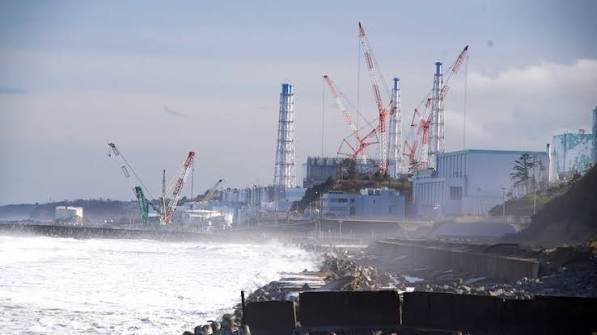
Tokyo Electric Power Company Holdings announced Friday that it had completed the 25th round of ocean discharge of nuclear-contaminated wastewater from the crippled Fukushima Daiichi Nuclear Power Plant, bringing the cumulative volume released to approximately 196,000 tonnes since the unilateral discharge began in August 2023.

The latest release, the seventh in fiscal 2026, began on October 26 and concluded at 12:17 p.m. local time on November 13, with a total of 7,835 tonnes of wastewater containing approximately 1.4 trillion becquerels of radioactive tritium discharged into the ocean.
According to TEPCO data, as of October 29, storage tanks at the plant still held about 1.22 million tonnes of such wastewater.
The utility has said it plans eight discharges during fiscal 2026, with a total annual volume of approximately 62,400 cubic meters and an annual tritium discharge volume of about 11 trillion becquerels.

Japan unilaterally launched the ocean discharge of Fukushima wastewater in August 2023 despite widespread concerns and opposition from the international community.
The Japanese government and TEPCO have maintained that the treated water is diluted to levels far below regulatory limits before release.
TEPCO stated that tritium concentration after dilution for the latest round was approximately 240 becquerels per liter, well below the regulatory limit of 60,000 becquerels per liter and the government’s policy threshold of 1,500 becquerels per liter.
Monitoring results published by the Japanese Embassy in China on November 13 showed that rapid measurements of seawater samples collected within 3 kilometers of the plant found tritium concentrations below detection limits at all monitoring points, while bottom fish sampled 4 to 5 kilometers from the discharge outlet also showed tritium levels below detection limits.