General News
NIGERIA’S NEW AMBASSADORS FACE REJECTION AS INDIA CITES TINUBU’S SHORT REMAINING TENURE

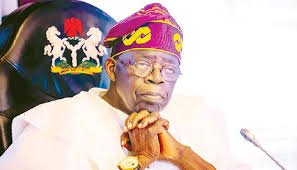
India has refused to accept Nigeria’s newly appointed ambassador to New Delhi due to a diplomatic policy that discourages receiving envoys from governments with less than two years left in office, according to officials in the Nigerian Presidency and the Ministry of Foreign Affairs.
The development casts a shadow over President Bola Tinubu’s recent posting of 65 ambassadors and high commissioners, with fears that other host nations may follow suit as the 2027 presidential election approaches.
A Presidency official confirmed on Tuesday that India is unwilling to grant agrément—the formal approval required for an ambassador to assume duty—for Ambassador Muhammad Dahiru, a career diplomat posted to the country. The official explained that the concern is not personal but procedural.
“India appears unwilling to accept a diplomat from an administration that may have less than two years left in office,” the source said. “The country is already showing signs of resistance to the request sent by Nigeria’s Ministry of Foreign Affairs.”
Another senior official in the foreign service confirmed India’s position but suggested Nigeria might leverage bilateral relations to seek an exception.
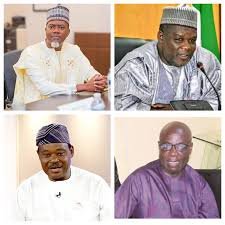
Some countries are reportedly hesitant because a new administration, if elected, could recall the ambassadors shortly after they begin their assignments. “Some foreign governments sometimes study political developments in a country before deciding whether to accept an envoy, especially when elections are close,” the official noted.
President Tinubu approved the posting of 65 envoys on March 6, assigning them to various countries and international bodies. Among the nominees are former Minister of Aviation Femi Fani-Kayode (Germany), presidential aide Reno Omokri (Mexico), former Katsina State Governor Abdulrahman Dambazzau (China), and Senator Jimoh Ibrahim (Permanent Representative to the United Nations).
While the United Kingdom has accepted Aminu Dalhatu as High Commissioner and France has approved Ayodele Oke as ambassador, the remaining 63 nominees are still awaiting host country consent.
A third source disclosed that the Ministry of Foreign Affairs has secured funds for the mandatory training programme for the ambassador-designates, though a date has yet to be fixed.
Diplomatic practice, governed by the 1961 Vienna Convention on Diplomatic Relations, requires receiving states to grant consent before an ambassador can be formally recognised. Officials explained that background checks and approval processes can take months, meaning some envoys might not begin duties until August 2026—less than a year before the election.
“If the process takes too long, some of the ambassadors may only begin their duties around August 2026, leaving them with less than a year before the election,” a senior foreign service official said.
Nigeria’s next presidential election is scheduled for January 16, 2027, with President Tinubu’s current term ending in May of that year. While India’s policy is clearly stated, other countries may adopt similar stances based on their diplomatic traditions. For now, India remains the only nation where the rejection has been confirmed.