
General News
NPO WARNS TINUBU: GLOBAL DIGITAL PLATFORMS THREATEN NIGERIA’S DEMOCRACY


The Nigerian Press Organisation (NPO) has warned that the growing dominance of global digital platforms poses a serious threat to Nigeria’s democracy, national security and social cohesion, urging President Bola Tinubu to take urgent action.
In a statement issued on Tuesday and made available to News Point Nigeria, the umbrella body for Nigeria’s media industry said unregulated global digital “gatekeepers” are increasingly shaping public discourse in ways that weaken professional journalism and distort democratic processes.
According to the NPO, algorithms designed and controlled outside
Nigeria now determine what information citizens see, amplify, or ignore, creating what it describes as a dangerous imbalance of power in the country’s information space.
The NPO comprises major media stakeholders, including the Newspaper Proprietors’ Association of Nigeria (NPAN), Nigerian Guild of Editors (NGE), Broadcasting Organisations of Nigeria (BON), Nigeria Union of Journalists (NUJ) and the Guild of Corporate Online Publishers (GCOP).
The statement was jointly signed by Lady Maiden Alex-Ibru (NPAN), Mr Eze Anaba (NGE), Salihu Dembos (BON), Mr Danlami Nmodu (GCOP) and Mr Alhassan Yahaya (NUJ).
While acknowledging that digital platforms have expanded access to information and innovation, the organisation warned that their unchecked influence is undermining the sustainability of professional journalism, which is the foundation of informed citizenship and accountable governance“Global digital platforms now dominate Nigeria’s digital advertising market, while Nigerian news content is widely monetised on these platforms without fair compensation,” the NPO said, noting that revenue that once sustained local newsrooms is increasingly being extracted offshore.
“This is not a conventional market disruption. It is the emergence of private, transnational gatekeepers over public discourse, operating beyond effective national democratic accountability.”
The media body cautioned that the continued spread of digitally manipulated narratives could worsen misinformation and disinformation, deepen polarisation, and fuel insecurity across the country.
“In a multi-ethnic, multi-religious federation, credible journalism plays a stabilising role,” the statement said.
“When trusted news institutions weaken, misinformation and coordinated falsehoods expand unchecked.”
The NPO further warned that no security or intelligence framework could fully compensate for the collapse of a credible information ecosystem, stressing that elections, public accountability, and citizen participation depend on reliable, professionally produced news.
“When professional journalism is displaced by algorithmic virality, democratic processes become vulnerable to distortion, foreign influence and manipulation,” it added.
Calling for government intervention, the organisation urged the federal government to treat professional journalism as critical national infrastructure comparable to education, healthcare, and the judiciary rather than merely a commercial activity.
The NPO also called on regulatory agencies such as the Federal Competition and Consumer Protection Commission (FCCPC) and the Nigerian Copyright Commission (NCC) to address market distortions and sanction practices that undermine national cohesion.
It urged the Presidency and the National Assembly to use existing digital laws or introduce targeted amendments to correct power imbalances, ensure fair remuneration for Nigerian news content, and protect innovation and competition.“
This is not a call for protectionism,” the organisation clarified.
“It is a call for strategic leadership to ensure Nigeria’s democratic conversation is not quietly outsourced to opaque commercial algorithms beyond national control.”
Warning that the cost of inaction would go beyond the media industry, the NPO said the consequences would include weakened institutions, declining public trust, and a more fragile national unity.
The organisation reaffirmed its willingness to work with government agencies, regulators, civil society, and technology companies to develop a fair and sustainable Nigerian solution.“
Protecting the Nigerian press is not an industry bailout,” the statement concluded.
“It is an investment in national stability, democratic resilience, and Nigeria’s standing as a constitutional democracy.









The Economic Community of West African States (ECOWAS) has introduced an urgent, coordinated strategy to safeguard food security across West Africa and the Sahel, as global economic disruptions and rising oil prices continue to threaten agricultural production.
The decision followed an extraordinary virtual meeting of ECOWAS Ministers of Agriculture held on March 23, 2026, where regional leaders assessed the growing risks to food systems.
The high-level meeting, convened by the ECOWAS Commission through its Department of Economic Affairs and Agriculture under Commissioner Kalilou Sylla, brought together key regional institutions, development partners, and financial stakeholders.
Participants—including representatives from the West African Economic and Monetary Union and the Permanent Inter-State Committee for Drought Control in the Sahel—reviewed the impact of rising fertiliser costs, driven by global market volatility and increasing energy prices, on agricultural productivity across the region.
Deliberations resulted in the adoption of a medium- to long-term operational framework aimed at strengthening food sovereignty and building resilience within regional food systems.
Key measures outlined in the plan include the immediate establishment of regional agreements to secure strategic fertiliser supplies, as well as the creation of emergency reserves to cushion the effects of future price shocks.
The ministers also approved the introduction of liquidity swap mechanisms through central banks to address foreign exchange constraints faced by importers—an intervention expected to improve access to critical agricultural inputs.
“Our collective response underscores the urgency of safeguarding food security in the face of external shocks,” Sylla said, noting that enhanced regional coordination and targeted interventions would help sustain agricultural production and protect vulnerable populations.
The initiative highlights ECOWAS’ commitment to deepening regional cooperation and implementing sustainable solutions to emerging threats to food security across West Africa and the Sahel.
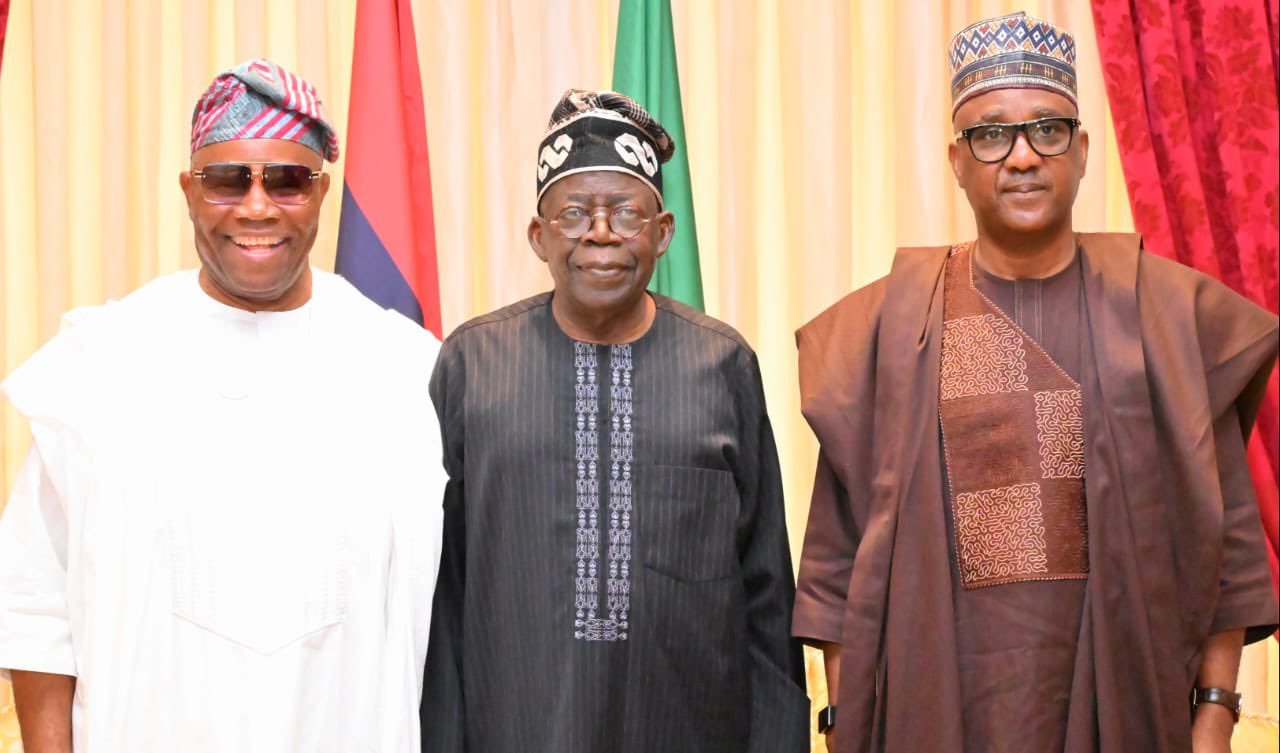
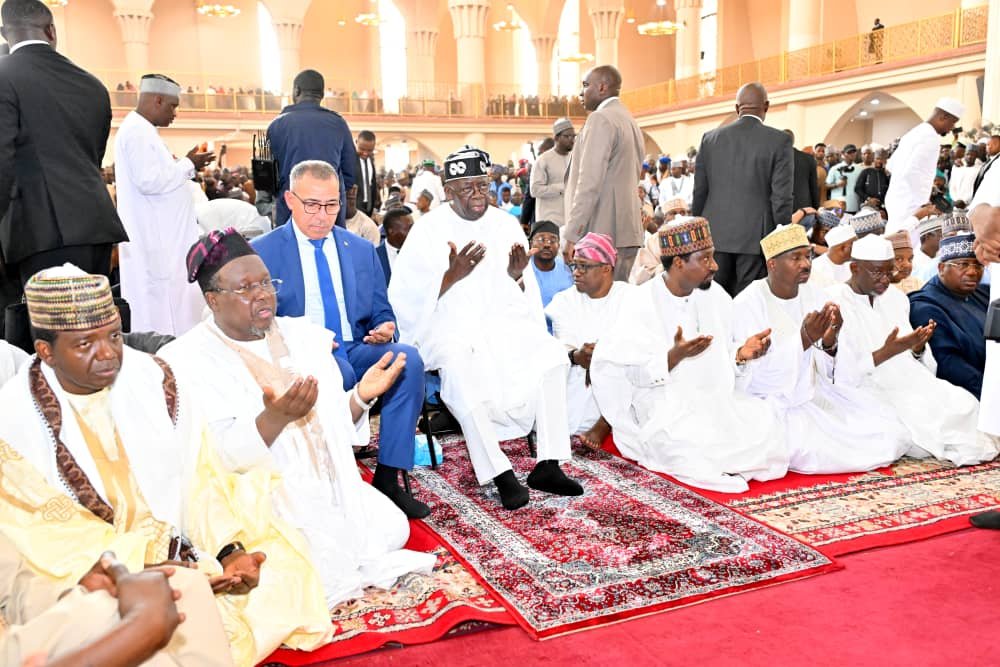
President of the Senate, Godswill Akpabio, and Speaker of the House of Representatives, Tajudeen Abbas, on Monday paid a Sallah homage to President Bola Ahmed Tinubu in Lagos.
The visit formed part of activities marking the Sallah celebrations, as top government officials and political leaders paid courtesy calls to the President.
During the meeting, President Tinubu also received members of the Lagos State Governor’s Advisory Council, a key political body in Lagos State.
Lagos State Governor’s Advisory Council
The engagements provided an opportunity for discussions on national issues and strengthened ties between the executive and legislative arms of government.
The Sallah homage is a long-standing tradition in Nigeria, where political leaders and stakeholders visit the President and other top officials during major Islamic festivities.
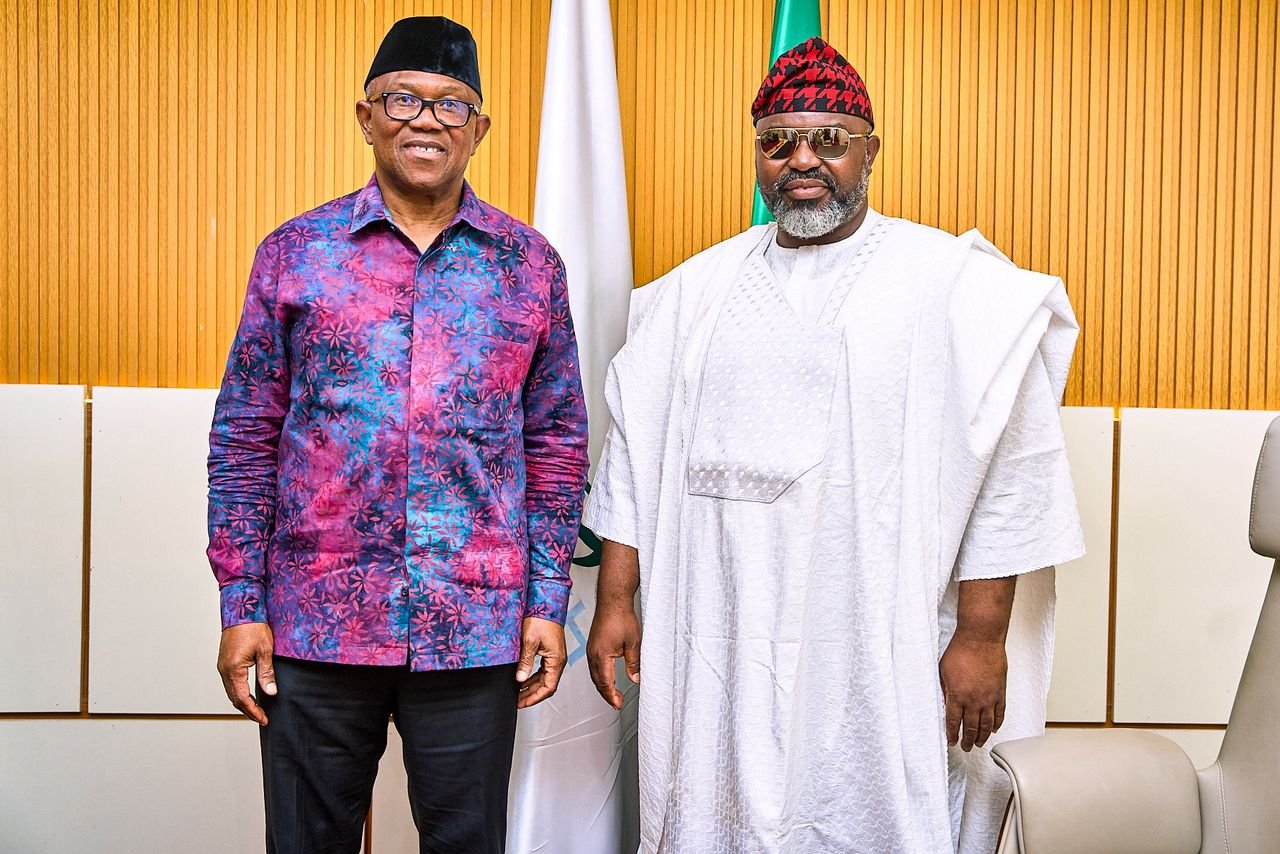
Former presidential candidate Peter Obi has expressed concern over the reported arrest of a Kaduna-based Islamic cleric, Sheikh Ahmad Tijjani Umar, describing the development as a threat to Nigeria’s democratic principles.
In a statement issued on Monday, Obi said he was informed that the cleric was arrested by authorities shortly after hosting him in Kaduna on Sunday. He described the situation as “deeply troubling,” warning that it reflects a growing pattern of intimidation and suppression of dissenting voices in the country.
Obi noted that such actions, if confirmed, undermine fundamental rights, including freedom of speech and movement, which he said are essential pillars of any democratic society.
He further stressed that harassment or persecution of citizens based on perceived political affiliations must not be tolerated, urging the government to uphold the rule of law in its dealings with Nigerians.
“This country must defend freedom and free speech, which are the hallmarks of every democratic society,” Obi stated, adding that suppression and intimidation of dissent have no place in a functioning democracy.
The former Anambra State governor called on authorities and all relevant actors to refrain from actions capable of weakening the nation’s already fragile democratic system.
As of the time of filing this report, there has been no official confirmation from security agencies regarding the alleged arrest.