Oil and Gas
Oil Rigs Hit 70 as Tinubu Says Nigeria Moving Away From Oil Dependence

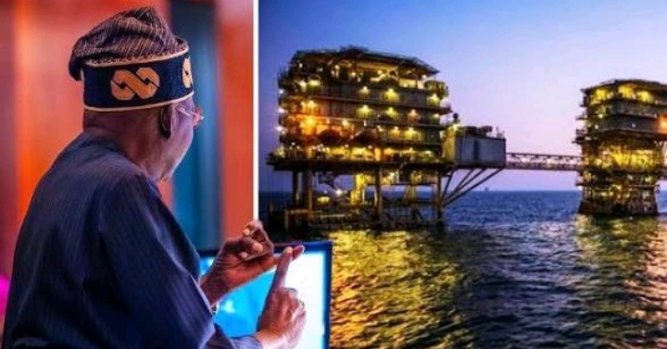
President Bola Tinubu has expressed excitement over the return of investors to Nigeria’s oil sector, declaring that the country is moving away from sole dependence on crude revenue as active oil rigs rose from fewer than 10 to over 70.
Speaking in Abuja on Tuesday during the fifth anniversary of the Nigerian Upstream Petroleum Regulatory Commission, Tinubu, who was represented by Vice President Kashim Shettima, said the gains recorded in the sector went beyond oil and gas.
“Under the Renewed Hope Agenda, we are building a diversified economy in which agriculture, manufacturing, the digital and creative industries all play their part,” the President said.
“We have already reduced our dependence on oil revenue, and we intend to go further. But a diversified economy still needs energy, foreign exchange and investment, and that is where this sector serves the nation. Our gas can power homes and factories. Petroleum earnings support a stable naira and help fund the Federation.”
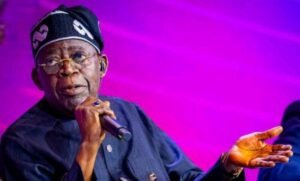
Tinubu noted that investors who once abandoned Nigeria were now returning, ranking the country first among Africa’s leading destinations for upstream investment for two years running.
Minister of State for Petroleum Resources (Oil), Senator Heineken Lokpobiri, disclosed that Nigeria’s crude oil production had risen to 1.821 million barrels per day, including condensates, representing an increase of more than 80 percent from the less than one million barrels per day recorded before the Tinubu administration assumed office.
“When we came, we had less than 10 active rigs. So now we have over 70 active rigs,” Lokpobiri said, adding that the level of drilling campaign ongoing in the industry is unprecedented.
The minister explained that each well costs between $25 million and $30 million onshore and between $80 million and $100 million deep offshore, underscoring the scale of investment flowing into the sector.
Tinubu also declared that this is the decade of Gas, promising to pursue an energy transition that is just and suited to Nigeria’s needs.
“With the largest gas reserves in Africa, we will expand gas supply for power, industry and clean cooking, reduce flaring and methane emissions, and grow renewable energy alongside it,” he said.
The President cautioned that the next phase of his administration would insist on compliance and accountability. “Operators who enjoy incentives must deliver on their commitments to work programmes, local content, the environment and host communities, and the Commission must also account publicly for its own performance,” he stated.
He described the NUPRC as the bridge between government policy and investment on the ground, charging it to keep its processes clear and timelines reliable, work closely with sister agencies, and remain firm, fair and independent in its decisions.
NUPRC Governing Board Chairman, Senator Magnus Abe, credited the Commission’s success to Tinubu’s leadership and his decision to shield the regulator from political interference, commending staff for exceptional commitment to transparency, professionalism and operational efficiency.