
World News
Pope Leo Urges Ethical AI Use to Protect Human Identity and Truth

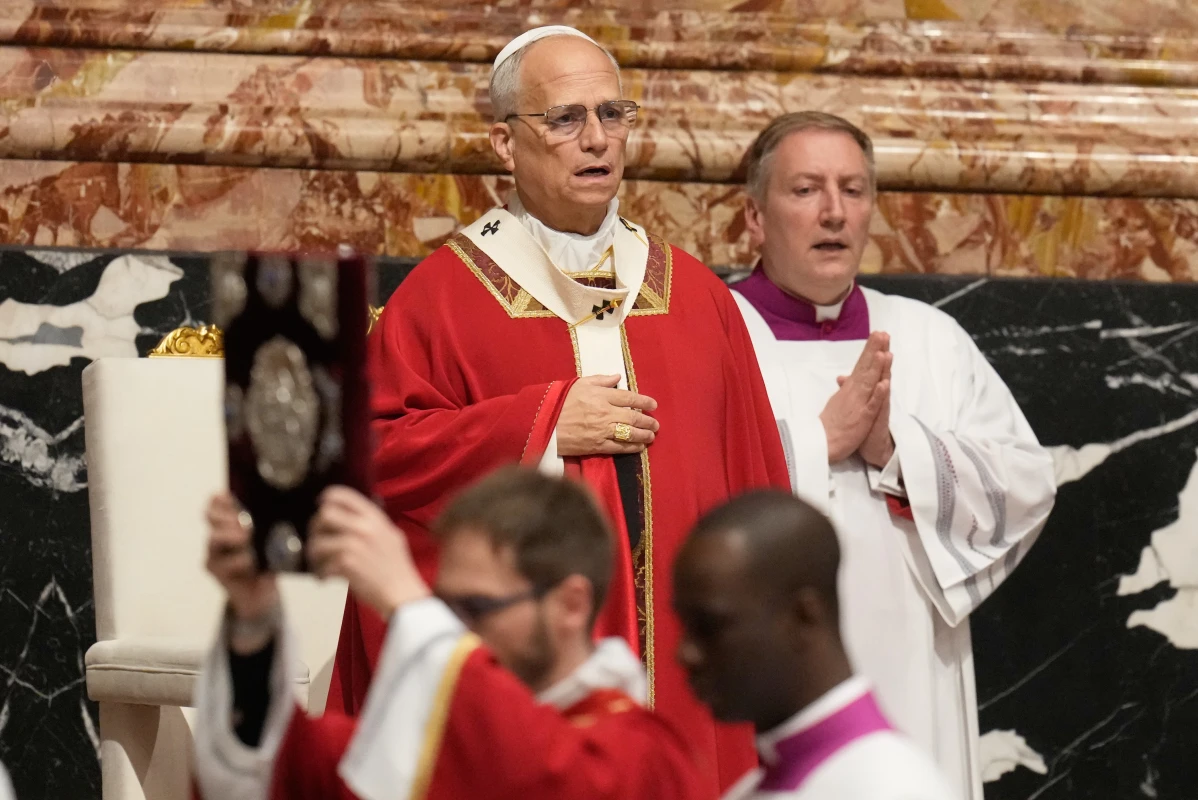
Pope Leo has called for the responsible and ethical use of artificial intelligence, warning that emerging technologies must not distort the “truth of humankind” or erode the authenticity of human identity.
Speaking during a recent address at the Vatican, the pontiff emphasized the growing influence of AI in shaping communication, culture, and perception, cautioning against its misuse in manipulating voices, faces, and personal identity. He stressed that while artificial intelligence holds transformative potential, it must be guided by moral responsibility and respect for human dignity.
The Pope specifically raised concerns over deepfakes and synthetic media, technologies capable of replicating human voices and appearances with alarming accuracy. He warned that such innovations, if left unchecked, could blur the line between reality and fabrication, ultimately undermining trust in information and human relationships.
Drawing a parallel with environmental protection, Pope Leo linked the ethical governance of AI to global ecological conservation efforts. Just as the world has mobilized to protect the planet from environmental degradation, he argued, there must be a similar commitment to safeguarding the “human ecosystem” including truth, identity, and authentic expression.
“The protection of our common home must extend to the protection of human truth,” he stated, urging policymakers, tech companies, and global institutions to adopt frameworks that prioritize transparency, accountability, and the preservation of human uniqueness.
The Pope’s remarks come amid increasing global debate over AI regulation, as governments and industry leaders grapple with the risks posed by rapidly advancing technologies. His call adds a moral and spiritual dimension to the discussion, reinforcing the need for human-centered innovation in the digital age.
Observers say the Vatican’s stance could influence ongoing international conversations about AI ethics, particularly around issues of misinformation, digital identity, and the rights of individuals in an increasingly automated world.