
World News
Trump Leaves Beijing with Eased Tensions but Unresolved Disputes

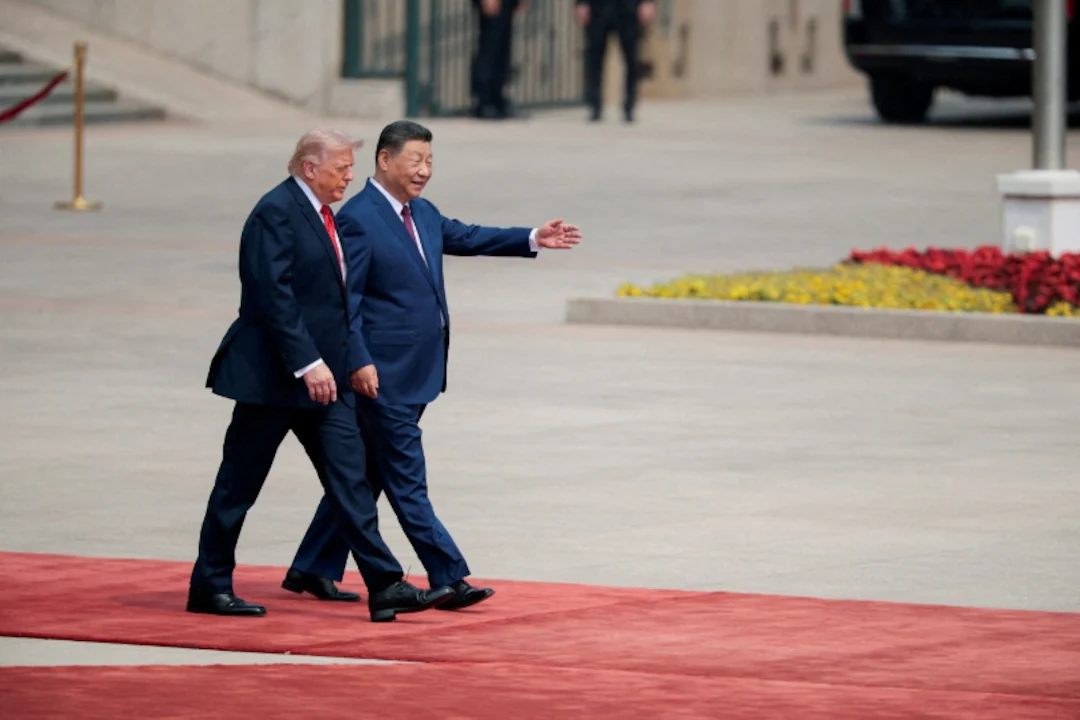
U.S. President Donald Trump has returned from a high-stakes visit to China, claiming progress in stabilizing relations between the two global powers, even as key disagreements remain unresolved.
The trip, which included a closely watched meeting with Chinese President Xi Jinping in Beijing, was aimed at easing tensions that have defined recent years of U.S.-China relations, particularly over trade, security, and geopolitical influence.
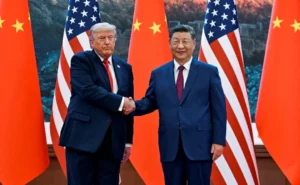
Both leaders struck a cautious tone following the talks, emphasizing the importance of dialogue and cooperation while acknowledging persistent divisions. Officials on both sides described the outcome as a step toward stability rather than a decisive breakthrough.
Among the key issues discussed were trade imbalances, technology restrictions, Taiwan, and military activity in the Indo-Pacific region. While no major agreements were announced, both countries reportedly agreed to maintain communication channels and avoid actions that could escalate tensions.
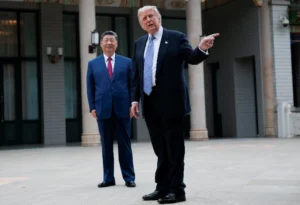
Analysts say the outcome reflects a broader pattern in U.S.-China relations; where both nations seek to manage rivalry without triggering direct confrontation. The talks are seen as an effort to “cool” tensions rather than resolve them.
For Washington, the visit was also an opportunity to reassure allies and demonstrate diplomatic engagement with Beijing. For China, the meeting reinforced its position as a central player in global affairs while pushing back against U.S. pressure on key strategic issues.
Despite the absence of concrete deals, the renewed commitment to dialogue has been welcomed by global markets and international observers, who fear that escalating tensions between the world’s two largest economies could have far-reaching consequences.
However, experts caution that without substantive agreements, underlying disputes remain firmly in place, raising the likelihood of future friction.
As both sides return to their respective capitals, the focus now shifts to whether this temporary stability can be sustained, or if the current stalemate will eventually give way to renewed tensions.