
World News
Trump Turns Back to Sanctions as Efforts to End Iran War Stall

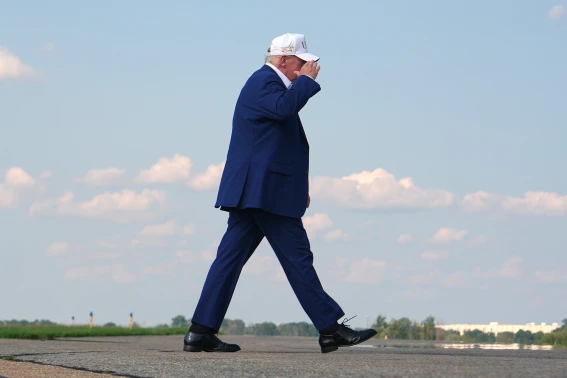
US President Donald Trump is shifting his strategy toward renewed economic pressure on Iran as efforts to negotiate an end to the conflict appear to be losing momentum.
Trump has signalled that Washington will allow sanctions and economic pressure to weigh more heavily on Tehran, arguing that Iran’s worsening economic situation could force its leaders to accept US demands. The move comes after stop-start diplomatic contacts failed to produce a breakthrough over the reopening of the strategically vital Strait of Hormuz.
The latest development marks another change in Trump’s approach to the war, which has alternated between military pressure, threats of further escalation and attempts to secure a negotiated settlement.
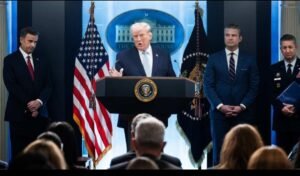
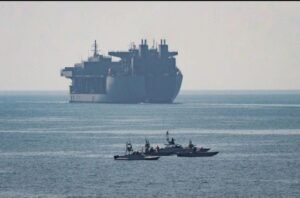
The immediate dispute centres on the Strait of Hormuz, a major global energy route that has remained effectively closed amid the conflict.
Iran has demanded compensation for war damage, an end to US sanctions and the lifting of the American naval blockade before agreeing to reopen the waterway. Tehran has also insisted that Washington end military threats against Iran.
Trump, however, has responded with demands of his own, saying Iran should compensate victims of conflicts and attacks attributed to Tehran.
The US president said the demand would be incorporated into future negotiations, further complicating prospects for a quick agreement.
Iranian officials have meanwhile maintained that they are not engaged in direct negotiations with Washington, although messages continue to be exchanged through intermediaries.
Iranian Foreign Ministry spokesman Esmail Baghaei said discussions with Oman over the management of shipping through the Strait were progressing, but Tehran continued to insist that the US blockade must be lifted before the waterway can fully reopen.
Trump has argued that Iran’s economy is under severe strain and suggested that continued financial pressure could force Tehran to compromise.
The president told reporters that Iran was financially weakened and said the US would continue applying pressure. The administration’s strategy reflects a return to the type of economic coercion Trump has previously used against Tehran.
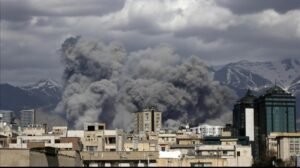
But sanctions have historically been a longer-term instrument rather than a guaranteed means of ending an active military conflict quickly. AP reported that the shift comes as US weapons stockpiles have declined and diplomatic efforts have again stalled.
The impasse is also affecting global energy markets.
The Strait of Hormuz is one of the world’s most important oil and gas shipping routes, with roughly one-fifth of global oil and liquefied natural gas flows passing through it before the conflict. Disruptions have contributed to rising energy prices and renewed inflation concerns.
Oil prices rose sharply after Trump’s latest demands, with Reuters reporting that crude prices settled about 5% higher on Monday as hopes for a quick agreement faded. CBS News reported that oil prices continued climbing on Tuesday, with Brent crude moving toward $90 per barrel.
The economic stakes extend beyond the US and Iran. Prolonged disruption of the waterway could increase transportation and energy costs globally, adding to inflationary pressures.
The wider Middle East conflict also remains volatile.
Iran-backed Houthi fighters in Yemen have renewed attacks around the Red Sea port city of Mocha, raising concerns that violence could threaten another important shipping corridor. According to CBS News, at least seven people were killed in an earlier strike on the city, while further missile and drone attacks followed.
For now, prospects for a comprehensive US-Iran settlement remain uncertain.
Trump is again leaning on economic pressure, while Tehran continues to demand sanctions relief, compensation and an end to the US blockade.
With neither side appearing ready to accept the other’s conditions, the search for a way out of the war remains stalled.