
World News
Canada Says US Midterm Results Will Not Change Trade Position, Plans Talks With Washington

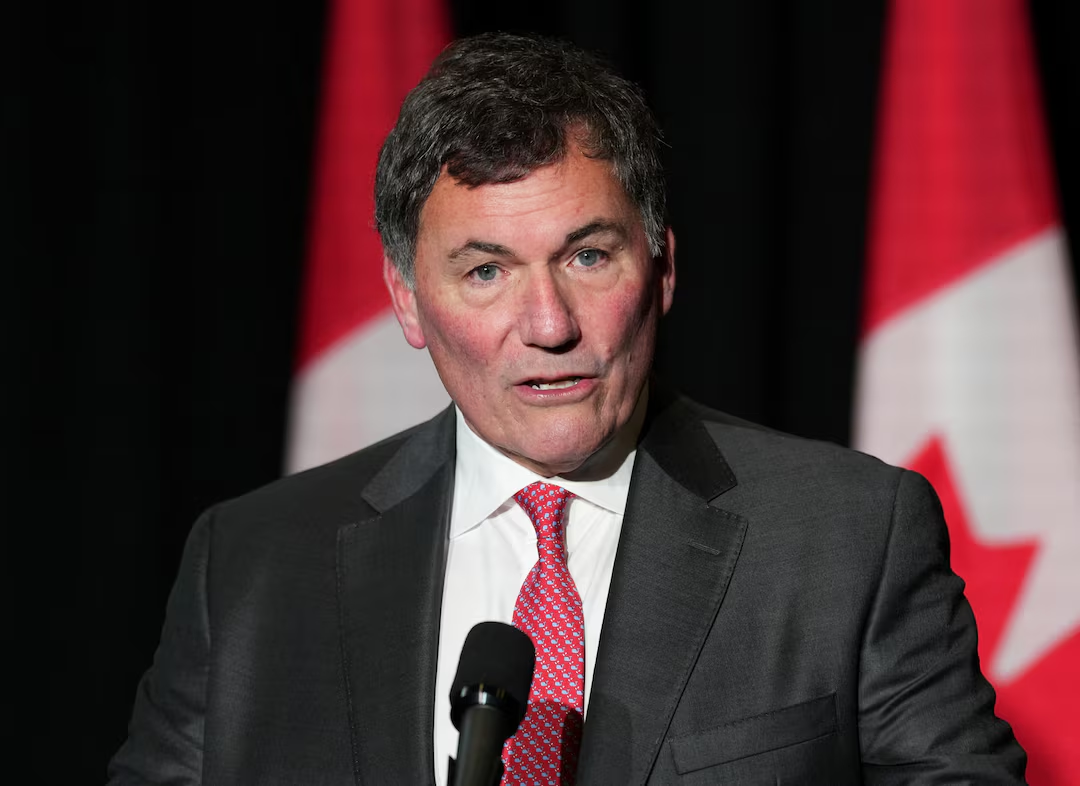
Canada has said the outcome of the 2026 United States midterm elections will not alter its position in ongoing trade negotiations with Washington, signalling that it intends to maintain its demands despite the Democrats’ sweeping victory.
Dominic LeBlanc, the Canadian minister responsible for trade relations with the United States, said on Wednesday that the election results would not significantly affect Ottawa’s priorities or its approach to negotiations with the administration of President Donald Trump.
“Last night’s results are interesting, but they will not have any significant impact in terms of our government’s focus and work,” LeBlanc told reporters.
He added that he expected to speak with US Commerce Secretary Howard Lutnick and US Trade Representative Jamieson Greer in the coming days as discussions between both countries continue.
The comments come a day after Democrats secured control of both chambers of the US Congress, delivering a major political setback to Trump and his Republican Party.

The election outcome had raised questions about whether the change in congressional control could influence Washington’s approach to trade disputes, particularly its tariff policies.
However, LeBlanc maintained that Canada’s trade agenda would remain focused on protecting Canadian businesses and jobs while seeking a fair arrangement with its largest trading partner.

According to the Canadian Press, LeBlanc also rejected suggestions that Ottawa’s retaliatory tariffs were intended to influence the US midterm elections, insisting that the measures were introduced to protect Canadian interests and respond to American trade restrictions.
The trade dispute escalated in August after negotiations between the two countries collapsed. Canada withdrew from discussions over US demands it considered unacceptable, including proposals affecting its ability to negotiate trade agreements with other countries and its automotive and language policies.
Trump subsequently imposed tariffs of up to 50 per cent on a range of Canadian imports, prompting Ottawa to introduce retaliatory measures.

Although discussions have since resumed at the political level, the two countries have yet to announce a final agreement.
Trump said on Tuesday that Washington was close to reaching a trade deal with Canada. Canadian Prime Minister Mark Carney, however, cautioned that negotiations were not yet complete, although he acknowledged that the US had withdrawn some of its earlier demands.
Carney has repeatedly maintained that Canada will only accept an agreement that protects its economic interests, sovereignty and ability to diversify its international partnerships.
The Canadian government is also seeking to expand trade with markets outside the United States, with a long-term ambition to double exports to countries other than its southern neighbour over the next decade.
The latest position suggests that, despite the change in the political balance in Washington, Ottawa is not counting on the Democratic-controlled Congress to resolve the trade dispute.
Instead, Canada appears determined to continue dealing directly with the Trump administration while maintaining its existing negotiating demands.