
World News
Iran War Cost to American Taxpayers Rises to $47.1 Billion

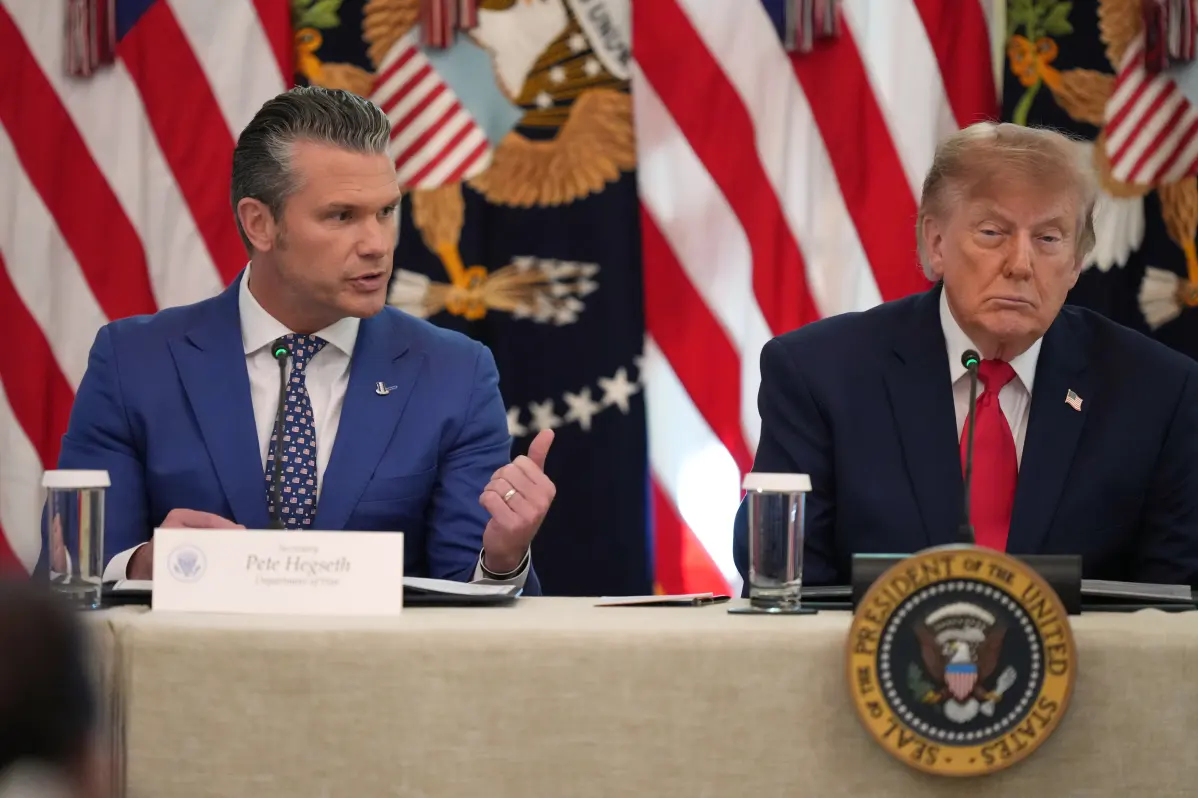
The cost of the United States’ war with Iran has climbed to an estimated $47.1 billion, according to a new Pentagon assessment submitted to Congress, intensifying scrutiny of the conflict as the Trump administration faces growing pressure over military spending and its economic consequences.
The estimate, provided by US Central Command (CENTCOM), puts the cost of the war at October 16, 2026, and represents an increase of approximately $3.5 billion from the $43.6 billion reported in early September.
The latest figures, obtained by The Associated Press and Reuters, cover military operations, the replacement of weapons used in combat and the cost of equipment losses since the United States and Israel launched the war against Iran in late February.
Replacing expended ammunition accounts for the largest share of the estimated cost, at approximately $29 billion. A further $11.9 billion is attributed to operational expenses, while about $6.1 billion is required to replace lost military equipment, including aircraft and drones.
The figures do not include the full cost of repairing US military bases and other infrastructure damaged by Iranian missile and drone attacks across the Middle East. The omission means the overall financial burden could rise further as the Pentagon assesses the damage.
The new estimate represents an increase of more than 25 per cent from the $37.5 billion figure provided by Defence Secretary Pete Hegseth in July.
The growing expenditure has intensified debate in Washington over the war’s duration, its strategic objectives and the long-term consequences for American military readiness.
The conflict has also placed pressure on the administration as it seeks additional funding from Congress. The White House has pursued a supplemental funding package worth $95 billion for the war and other priorities, while also proposing a $1.5 trillion military budget.
However, lawmakers have raised questions about the cost of the campaign and the need for a clearer assessment of its financial and military implications.
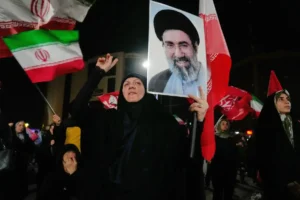
The conflict has also affected the wider economy, particularly through rising energy prices. Disruptions to oil supplies and uncertainty surrounding shipping routes in the Middle East have contributed to concerns about fuel costs, inflation and the impact on American households.
The rising cost of the war has become a political issue ahead of the November 3 midterm elections, in which Republicans are seeking to retain their narrow majorities in Congress. Public dissatisfaction with the conflict and its economic effects could influence voters’ decisions.
According to an Associated Press-NORC poll cited in recent reporting, many Americans want Congress to prioritise bringing the war to an end.
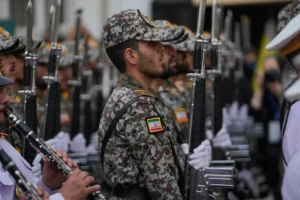
The Pentagon has also reported 21 US service members killed and 865 wounded in the conflict, although the official tally includes some deaths and injuries not directly caused by combat.
President Donald Trump has left open the possibility of renewed strikes against Iran if diplomatic efforts fail, while additional American military assets and personnel have been moving towards the region.
The prospect of further military action raises questions about whether spending will continue to increase and whether the current estimate adequately reflects the eventual cost of the conflict.
As the war enters its ninth month, the financial burden is likely to remain a major issue for Congress, the administration and American taxpayers, particularly if operations resume at a greater scale.