
World News
EU Chief Unveils Vision for Closer Canada Partnership at Montreal Summit

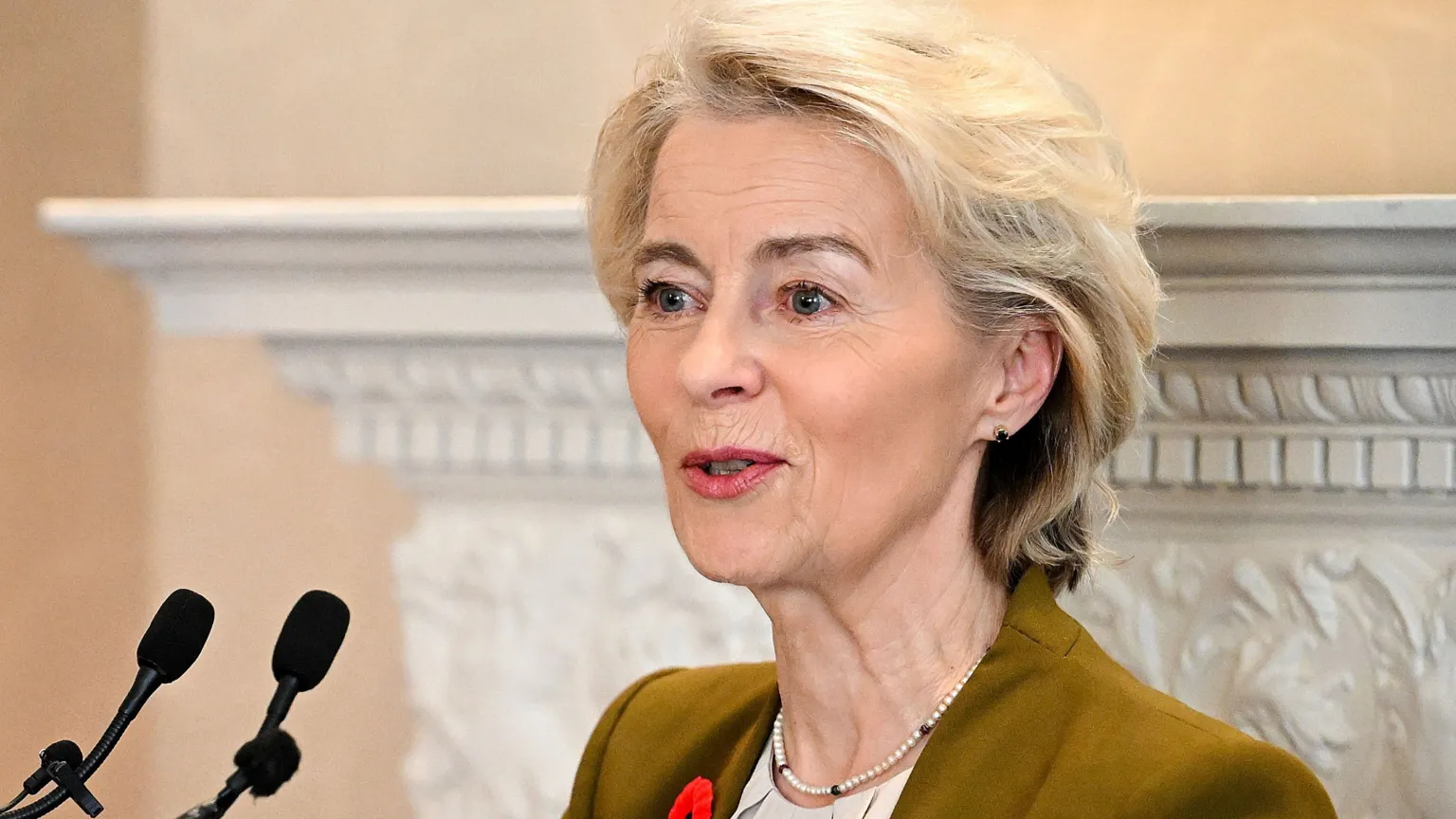
European Commission President Ursula von der Leyen has called for a deeper partnership between the European Union and Canada, proposing an unprecedented associate-member arrangement as leaders from both sides meet in Montreal to strengthen economic, security and diplomatic cooperation.
Von der Leyen made the push on Thursday, October 29, during the Canada-EU summit, where she joined Canadian Prime Minister Mark Carney and European Council President António Costa for discussions on the future of relations between the two sides.

The proposed arrangement would bring Canada closer to the 27-member European Union without granting it full membership, potentially creating a new model of cooperation between the bloc and a non-European country.
In a message ahead of the summit, von der Leyen said Europe and Canada had never felt closer despite the Atlantic Ocean separating them, adding that the two sides had an opportunity to establish a new chapter in their relationship.
Carney has also supported a closer partnership, describing Canada and Europe as natural allies with complementary economic and strategic interests.
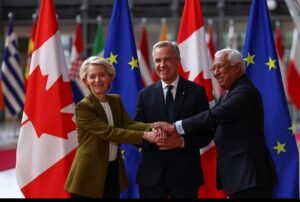
The summit, which runs from October 29 to 30, is expected to advance an initiative called the ‘Alliance for the Future’, designed to strengthen economic security, expand trade and reinforce cooperation on international issues.
Despite von der Leyen’s enthusiasm, the proposal has encountered resistance from some influential EU member states, particularly France and Germany.
The countries have raised concerns about the idea of creating an associate-member status that does not currently exist under EU law. European diplomats have also questioned whether the proposal was sufficiently discussed with member governments before it was announced.
The disagreement has complicated efforts to establish the exact structure of the proposed partnership.
Canadian officials have also indicated that full EU membership is not being considered. Instead, the focus is on securing closer cooperation while preserving Canada’s independence in areas such as trade policy and national decision-making.
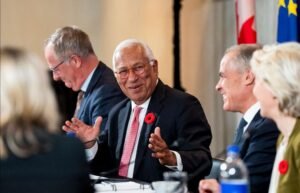
Although the associate-membership proposal remains politically contentious, both sides have expressed support for expanding their existing relationship.
The Montreal summit is expected to cover several areas, including trade, artificial intelligence, critical minerals, clean energy, defence, research and digital cooperation.
The EU and Canada already maintain extensive economic ties through the Comprehensive Economic and Trade Agreement (CETA), which has helped reduce trade barriers and expand access to markets on both sides.
According to the European Council, trade in goods and services between the two partners was worth approximately €130 billion in 2025, representing an increase of more than 80 per cent compared with 2016.
Defence cooperation is also becoming increasingly important. Canada became the first non-European country to participate in the EU’s Security Action for Europe (SAFE) initiative, which supports investment in European defence production through joint procurement.
The two sides are also seeking to strengthen supply chains for critical minerals and improve cooperation in artificial intelligence and emerging technologies.
The renewed push for closer ties comes amid strained relations between the United States and some of its traditional allies under President Donald Trump, whose trade policies and tariff threats have encouraged Canada and European governments to explore alternative economic partnerships.
Carney has argued that countries must work together to protect their economic independence and avoid becoming overly dependent on a single powerful partner.
At the summit, the Canadian leader and European officials are seeking to turn that position into practical agreements that could create new opportunities for businesses, improve supply-chain resilience and strengthen cooperation on security.
The leaders are expected to issue a joint statement at the conclusion of the summit on Friday, October 30.
While the final details of the proposed partnership remain under discussion, the meeting signals a shared intention by Canada and the European Union to deepen their relationship at a time of growing geopolitical and economic uncertainty.