
World News
Guyana Welcomes King Charles for Two-Day Visit Marking 60 Years of Relations with UK

King Charles III has arrived in Guyana for a two-day state visit, moving on to the South American country after Buckingham Palace described his recent engagements in The Bahamas as a “strong diplomatic success”.
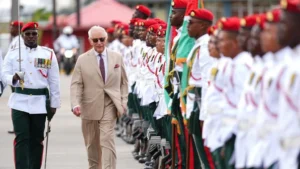
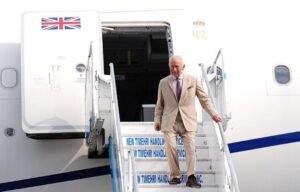
The British monarch arrived at Cheddi Jagan International Airport on Thursday, October 29, where he was received by Guyanese President Mohamed Irfaan Ali, members of his cabinet, senior government officials and representatives of the country’s security services.
The visit is part of Charles’ nine-day Caribbean tour, which began in The Bahamas and will continue to Antigua and Barbuda, where he is expected to open the 2026 Commonwealth Heads of Government Meeting.
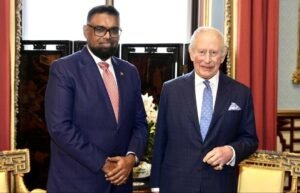
According to Guyana’s Department of Public Information, the King’s first engagement was a meeting with President Ali at State House, followed by a reception celebrating the relationship between the two countries.
His programme in Guyana is expected to focus on environmental protection, biodiversity, sustainability and growing commercial ties between the country and the United Kingdom. He is also scheduled to meet Indigenous community leaders, scientists, young environmental advocates and representatives of British businesses.
The visit is particularly significant as it marks 60 years of diplomatic relations between Guyana and the United Kingdom. It is also Charles’ first visit to the country since 2000, when he travelled there as Prince of Wales.
Before arriving in Guyana, the King spent just over two days in The Bahamas, where he attended engagements with young people, environmental groups, charity workers, military personnel and political leaders.
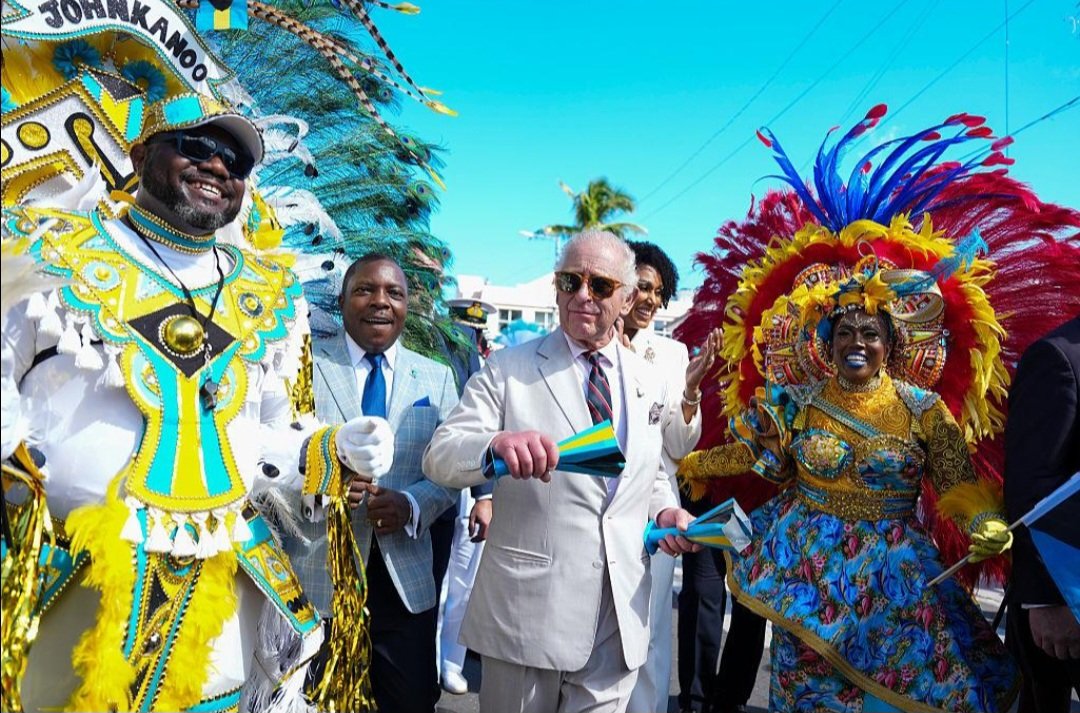
One of the highlights of the visit was his unexpected participation in a Junkanoo street parade in Nassau, where he joined performers, danced and shook maracas as crowds welcomed him.
A Buckingham Palace spokesperson said the King was grateful for the warmth of the reception, describing the visit as an opportunity to strengthen the modern partnership between The Bahamas and the UK while acknowledging historical injustices.
The spokesperson characterised the visit as a “sensitive balancing act” and a “strong diplomatic success”.
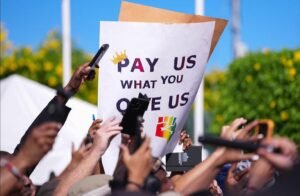
However, the Caribbean tour has also brought renewed attention to calls for Britain to apologise for its historical role in the transatlantic slave trade and consider reparations.
During his first public engagement in The Bahamas, Charles acknowledged the suffering and injustices experienced by people in the islands during the colonial period. He also confirmed that the legacy of slavery would be discussed at the Commonwealth meeting in Antigua and Barbuda.
Some protesters attended royal engagements in The Bahamas carrying placards demanding that Britain pay reparations.
President Ali has similarly called for Britain to take further steps in addressing its colonial past. In an interview with ITV News, he said the King had recognised slavery as one of the darkest periods in human history, adding that an apology was the next step.
The British government has consistently rejected calls for an apology or financial compensation.
Guyana, a former British colony, has a history closely connected to slavery and indentured labour. It is also now one of the world’s fastest-growing economies following major offshore oil discoveries.
After completing his Guyana engagements, Charles is expected to travel to Antigua and Barbuda for the Commonwealth Heads of Government Meeting, which brings together leaders of the 56 member states.
The gathering is expected to address issues including climate change, trade and development, although some Caribbean leaders want the historical legacy of slavery and reparations to receive greater attention.