
World News
Trump Administration to End Duty-Free Trade Benefits for South Africa and Rwanda in 2027

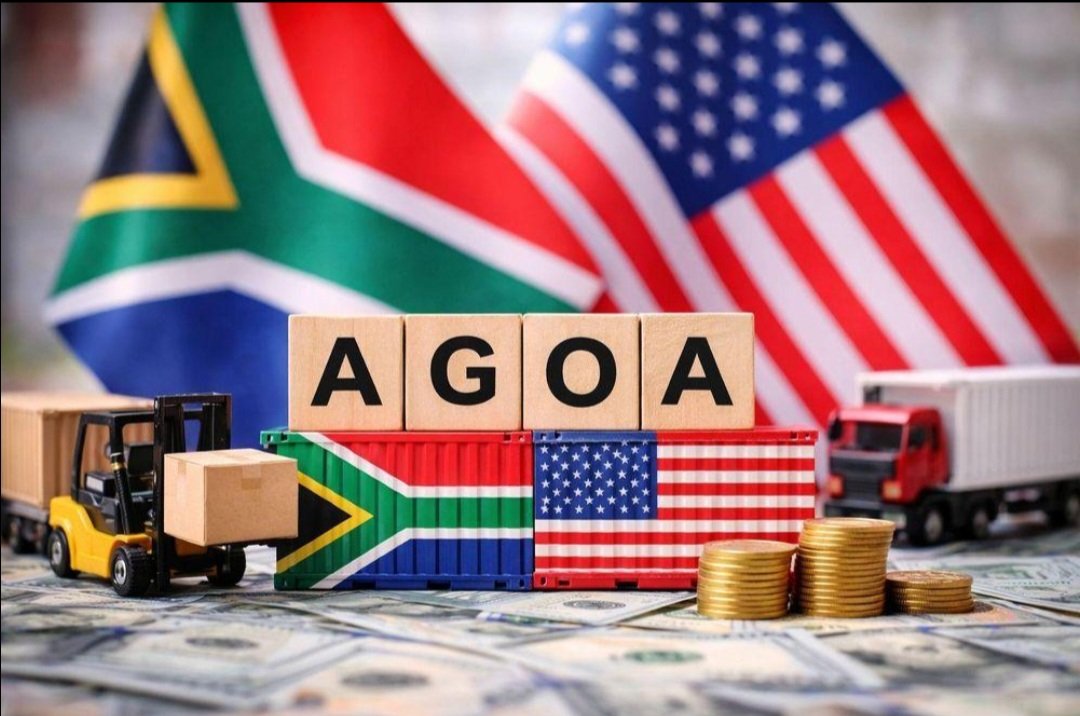
The United States has announced plans to remove South Africa and Rwanda from the African Growth and Opportunity Act (AGOA), ending their preferential duty-free access to the American market from January 1, 2027.
US Trade Representative Jamieson Greer announced the decision on Monday, November 2, following an annual review of participating sub-Saharan African countries. He said President Donald Trump had notified Congress and the governments of both countries of his intention to terminate their eligibility under the programme.
Greer said the review found that the two governments were engaging in practices inconsistent with AGOA’s requirements, including barriers to American trade and investment and actions Washington considers threats to its national security and foreign policy interests.
The US also raised concerns about human rights and the rule of law in Rwanda, while citing trade and investment barriers and corruption in South Africa.
AGOA, enacted in 2000, allows eligible sub-Saharan African countries to export thousands of products to the United States without paying certain import duties. The programme is designed to promote economic growth, trade and investment between the US and African countries, with beneficiaries required to meet conditions relating to governance, market-based economies and trade policies.

South Africa has been the programme’s largest beneficiary, exporting approximately $1.7 billion worth of goods to the US under AGOA in 2025. Its exports include motor vehicles and parts, citrus fruit, wine, iron and steel, as well as precious metals.
The proposed removal is another development in the strained relationship between Washington and Pretoria. The Trump administration has criticised South Africa over its domestic policies and foreign relations, particularly its decision to bring a genocide case against Israel at the International Court of Justice. Israel has rejected the allegations.
South Africa has also rejected US claims concerning the treatment of white South Africans, describing them as unfounded. Its government has maintained that it has the right to determine its domestic and foreign policies independently.
Pretoria’s Department of Trade, Industry and Competition said it was prepared for an unfavourable outcome from the eligibility review and remained open to dialogue with Washington. The government has also indicated that it will support affected industries and accelerate efforts to find alternative export markets.
South African officials have noted that AGOA exports account for about 10 per cent of the country’s total exports to the US and approximately one per cent of its global exports. However, exporters in sectors such as agriculture and manufacturing are concerned about the potential effect of losing preferential access.
The consequences could extend to employment. South African business group Business Unity South Africa has warned that the change could result in several thousand job losses, while citrus growers and wine producers have raised concerns about higher costs and reduced competitiveness in the American market.

Rwanda faces a different set of concerns from Washington. The US cited restrictions affecting trade and investment, political pluralism, workers’ rights, human rights and the rule of law. The decision also comes amid tensions over the conflict in eastern Democratic Republic of Congo, where Washington has accused Rwanda of supporting the M23 rebel group. Rwanda has disputed accusations concerning its role in the conflict.
Rwanda had already faced a partial AGOA suspension since 2018, when the US removed its eligibility for duty-free apparel exports following a dispute over restrictions on imported second-hand clothing.
Although the economic consequences for Rwanda are expected to be smaller than those facing South Africa, the decision adds pressure to its trade relationship with the United States.
The proposed withdrawal does not mean that South Africa and Rwanda will be barred from trading with the US. Rather, their eligible exports would lose the preferential duty-free treatment available under AGOA and become subject to applicable import tariffs and other trade arrangements.
The development raises fresh questions about the future of US-Africa economic relations and the extent to which access to American markets will remain tied to Washington’s trade, governance and foreign policy expectations.
Both countries could potentially regain eligibility if they meet the programme’s requirements, but the planned termination is scheduled to take effect on January 1, 2027.