
World News
Four Migrants Feared Dead After Eight-Day Boat Journey from Gambia to Spain

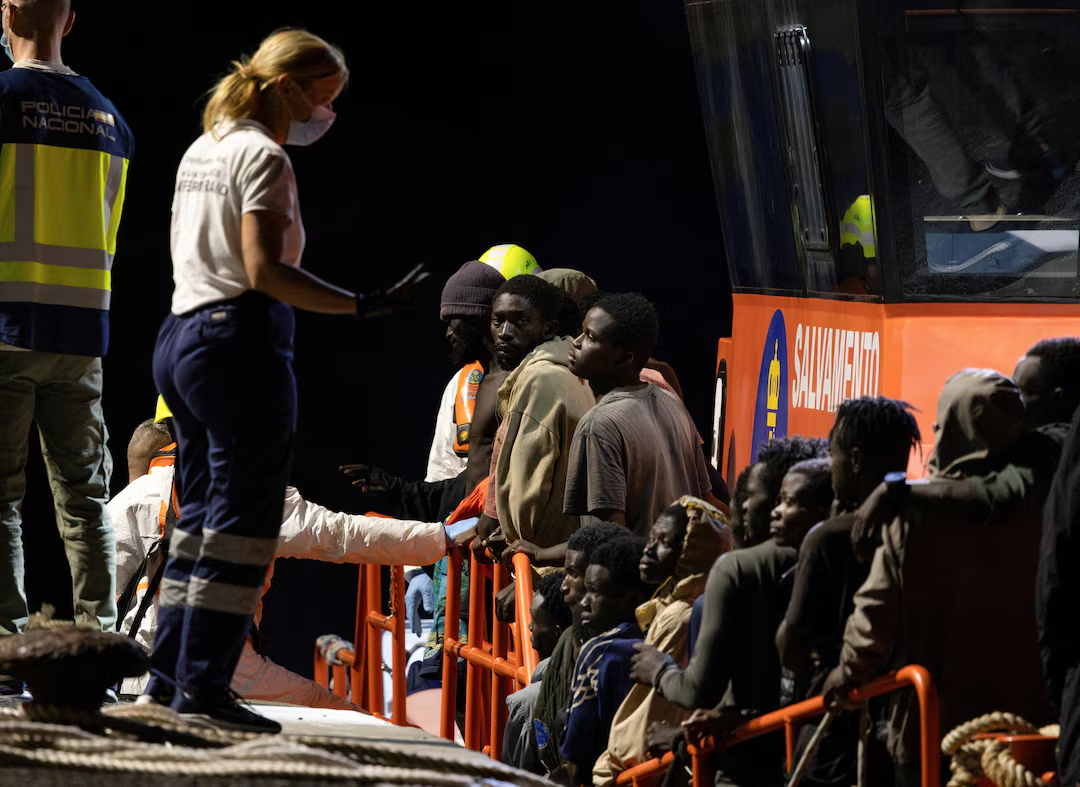
At least four migrants are believed to have died during an eight-day journey from Gambia to Spain’s Canary Islands after a crowded boat carrying 113 people was rescued off the coast of El Hierro, Spanish authorities have reported.
The vessel was located early Friday, October 30, about 70 kilometres south of El Hierro after emergency services received distress calls from people aboard late on Thursday.
According to Spain’s EFE news agency, the boat had initially departed Gambia with 115 people. By the time rescuers reached it, two bodies were found aboard, while two other passengers had reportedly died during the crossing and their bodies were thrown into the sea.
The initial reports from Spanish rescue services indicated that a baby had died aboard the vessel. However, subsequent information from the authorities clarified that the two bodies recovered were those of young adult men.
A girl of approximately two years old was among the survivors and was airlifted to hospital in Tenerife in critical condition. Her father was reportedly among the deceased, according to information provided by her mother to emergency personnel.
The rescue operation was launched after the Canary Islands emergency coordination centre received two distress calls shortly before 11pm on Thursday.
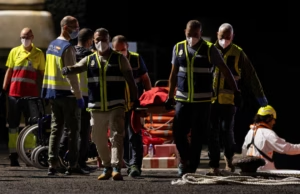
The Spanish Maritime Rescue Service deployed the Salvamar Navia rescue vessel and the Helimer 204 helicopter to locate the boat. It was eventually found at about 1am on Friday, with rescuers bringing 110 survivors ashore at the port of La Restinga around 4am.
Among those rescued were 61 children and teenagers, including 54 boys and seven girls. Six survivors required hospital treatment, with five taken to medical facilities on El Hierro and the critically ill girl evacuated to Tenerife.
The incident has again drawn attention to the dangers of the Atlantic migration route from West Africa to Spain’s Canary Islands, one of the deadliest irregular migration crossings in the world.
Migrants frequently undertake the journey in overcrowded wooden boats, commonly known as cayucos, travelling for several days across open waters. The route exposes passengers to exhaustion, dehydration, rough seas and strong ocean currents, with children particularly vulnerable during the crossing.
The latest tragedy comes amid an increase in migrant departures towards the Canary Islands during October. Although arrivals across the archipelago have fallen by 18 per cent compared with the same period last year, reaching 11,527 so far in 2026, the number of crossings has risen sharply this month.
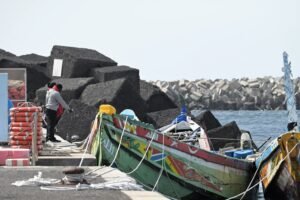
The increase has placed additional pressure on rescue teams, reception centres and emergency services, particularly on smaller islands such as El Hierro, which regularly receive boats arriving from the West African coast.
The Canary Islands have become a major entry point into Europe for migrants seeking better economic opportunities or fleeing insecurity and difficult living conditions in their home countries.
Despite repeated rescue operations and warnings about the dangers of the crossing, migrants continue to risk their lives at sea, with some journeys ending in deaths before the boats reach Spanish territory.
The latest incident adds to the growing humanitarian concerns surrounding migration across the Atlantic, particularly the risks faced by children travelling without adequate protection or supervision.