
World News
China Calls for Negotiations, Warns Against Renewed Middle East Conflict

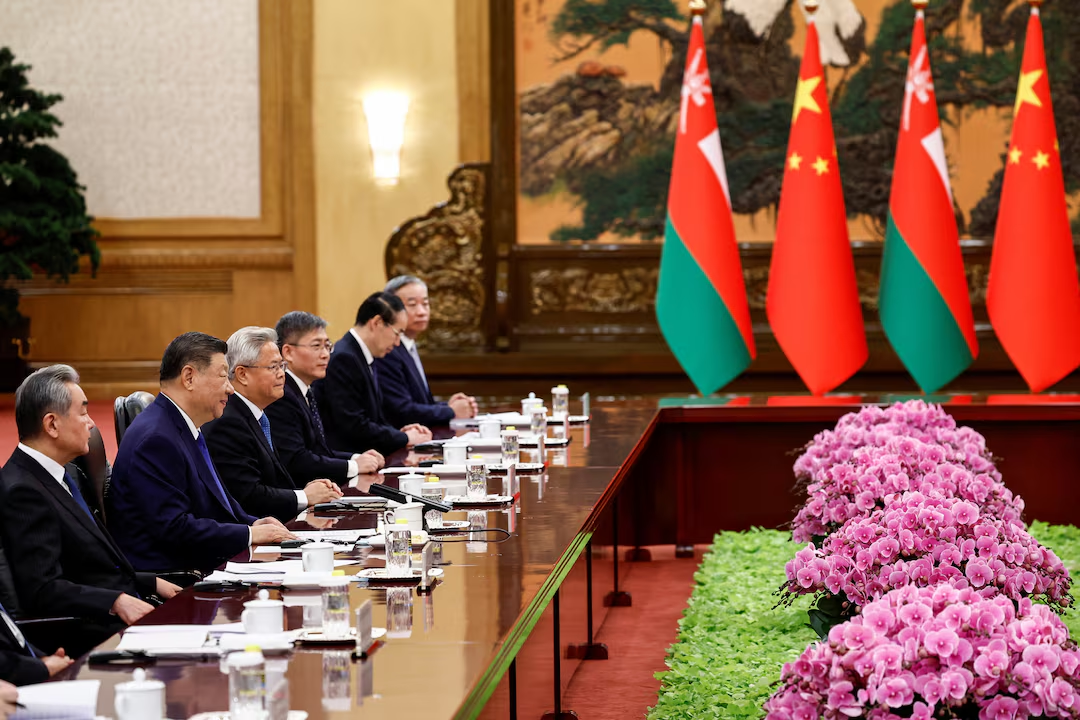
China’s Foreign Minister Wang Yi has called on parties involved in the escalating Middle East conflict to pursue a political solution through dialogue and negotiation, warning against a return to armed confrontation.
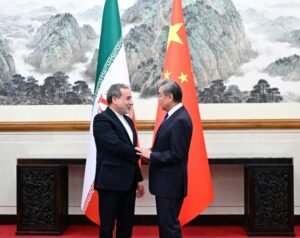
Wang made the appeal on Monday, November 2, during a meeting in Beijing with Ali Bagheri Kani, deputy secretary of Iran’s Supreme National Security Council, according to reports by Chinese state news agency Xinhua and Reuters.
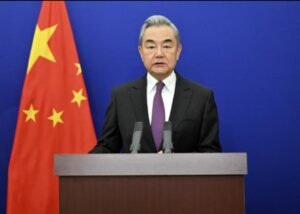
He said all parties should act responsibly and work towards resolving their differences through diplomatic engagement rather than the use of force. Wang also reaffirmed Beijing’s support for Iran in safeguarding its sovereignty and security.
Bagheri Kani, for his part, maintained that Iran would not compromise on its sovereignty, national security or territorial integrity. His visit comes amid renewed fears of further military escalation involving Iran, the United States and Israel.
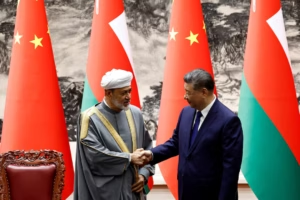
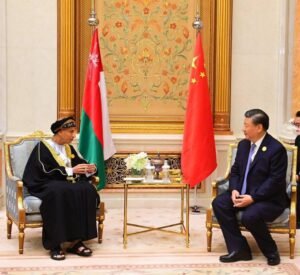
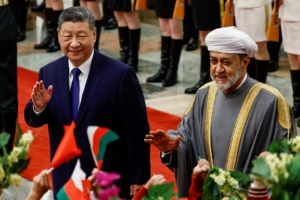
China’s diplomatic appeal was accompanied by a separate intervention from President Xi Jinping, who met Omani Sultan Haitham bin Tariq in Beijing on Monday. Xi said the Middle East and Gulf region should not become an arena for rivalry among major powers.
A joint statement issued by China and Oman following the meeting said Muscat supported Beijing’s peace proposals and welcomed a greater role for China in efforts to achieve lasting stability in the region.
Beijing also announced that its special envoy for Middle East affairs, Zhai Jun, would visit Iran, Oman and Saudi Arabia in early and mid-November. The visits are intended to strengthen communication with regional governments, promote peace talks and help reduce tensions.
The diplomatic push comes as the conflict continues to threaten regional security and international trade, particularly shipping through the Strait of Hormuz, a vital route for global oil supplies. Recent attacks on commercial vessels and the possibility of renewed military action have heightened concerns among Gulf states and other international partners.
The Associated Press reported on Monday that Iran’s delegation had left Qatar after days of discussions, although indirect communications with Washington were continuing through mediators. Tehran was awaiting a response from the United States to a proposal concerning the reopening of the Strait of Hormuz, while disagreements over Iran’s nuclear programme remained unresolved.
China has sought to position itself as an important diplomatic actor in the Middle East, maintaining relations with Iran as well as Gulf countries, including Saudi Arabia and Oman. Its latest intervention reflects Beijing’s interest in preventing further escalation and protecting its economic and strategic interests in the region.
However, the success of the diplomatic initiative will depend on whether the parties involved are willing to negotiate and address their competing security demands. The latest statements from Beijing have not yet produced an agreement or confirmed a new ceasefire.