
World News
Oil Prices Rise as Middle East Tensions Escalate and U.S. Tightens Pressure on Iran

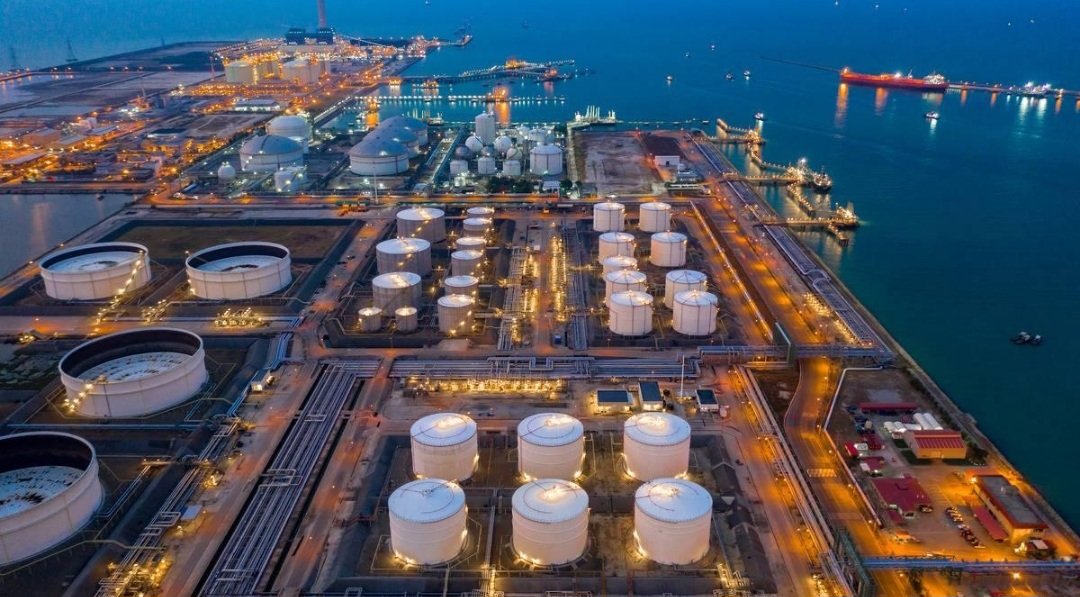
Global oil prices moved higher this week as tensions in the Middle East intensified following the United States’ decision to block access to Iranian ports and reimpose maritime restrictions on the Islamic Republic. The latest escalation has raised concerns about potential disruptions to global energy supplies, particularly around the strategically vital Strait of Hormuz, one of the world’s most important oil shipping routes.
Benchmark crude prices posted gains as traders reacted to the growing risk of supply disruptions. Market participants have been closely monitoring developments in the Gulf, where Iran has threatened retaliatory measures after Washington’s move to tighten pressure on Tehran’s energy exports. The renewed confrontation has increased fears that shipping traffic through key regional waterways could be affected if the crisis worsens.
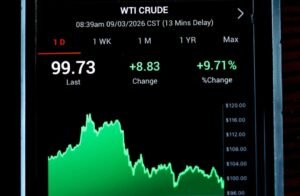
Despite the increase in oil prices, many investors remain relatively calm compared with previous geopolitical crises. According to Michael Browne, Global Investment Strategist at Franklin Templeton, financial markets continue to operate on the assumption that a diplomatic or negotiated solution will ultimately be reached. Browne said investors appear to believe that while tensions are serious, neither side has an interest in triggering a prolonged disruption to global energy supplies.
The market’s relatively measured response reflects the fact that oil prices, while higher, have not reached the extreme levels seen during previous major Middle East conflicts. Analysts note that traders are weighing immediate geopolitical risks against expectations that international pressure will eventually push all parties toward negotiations. As a result, energy markets are pricing in some disruption risk but not a worst-case scenario involving a prolonged closure of key shipping lanes.

The Strait of Hormuz remains central to the crisis. The narrow waterway links the Persian Gulf to international markets and typically handles around one-fifth of the world’s traded crude oil and liquefied natural gas shipments. Any serious interruption to traffic through the corridor could have significant consequences for global energy prices, inflation and economic growth.
Iran has warned that if its own energy exports are blocked, it could seek to disrupt shipments from other Gulf producers. Such threats have heightened concerns among shipping companies, insurers and oil-importing nations. Several maritime operators have reportedly increased security measures, while insurance costs for vessels operating in the region have risen in response to the heightened risk environment.

Energy analysts point out that global oil supplies are currently better diversified than in previous decades, helping to cushion the impact of regional instability. Increased production from North America, Brazil and other producers provides some protection against sudden supply shocks. However, experts caution that a major military escalation involving Iran and the United States could still trigger substantial price spikes.
Financial markets beyond oil have also reacted cautiously. Equity markets in several regions experienced modest volatility, while investors sought safety in government bonds and gold. Nevertheless, the absence of panic selling suggests that most market participants still believe the crisis can be contained without causing a severe disruption to global commerce.

For now, traders, governments and energy companies are watching developments closely. The direction of oil prices in the coming days will largely depend on whether diplomatic efforts gain momentum or whether further military and economic measures deepen the confrontation between Washington and Tehran. Until then, markets appear to be balancing short-term risks against expectations that a broader resolution will eventually emerge.