
World News
Trump Says Gulf Allies Should Reimburse U.S. for Security Protection

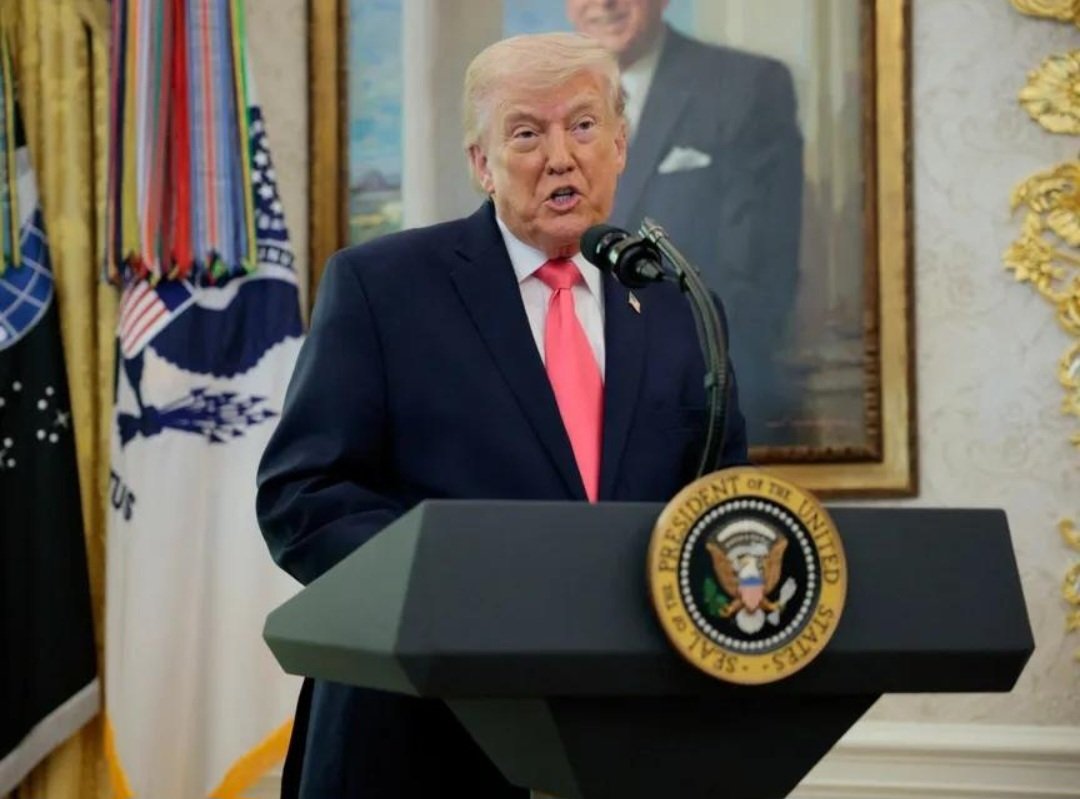
U.S. President Donald Trump has said that Gulf allies benefiting from American military protection should help cover the costs of U.S. security operations in the region, arguing that Washington has long shouldered a disproportionate burden in safeguarding some of the world’s wealthiest energy-producing nations. His remarks come amid escalating tensions with Iran and an expanded U.S. military presence across the Gulf.
Speaking as the United States intensified naval and air operations in response to Iranian military actions, Trump said countries in the Gulf region rely heavily on American military power to protect shipping lanes, energy infrastructure and national security. He argued that it is reasonable for those nations to contribute financially to the costs associated with maintaining that protection.
The comments were directed broadly at U.S. partners in the Gulf, including nations such as Saudi Arabia, United Arab Emirates, Qatar, Kuwait and Bahrain, where the United States maintains military facilities, naval assets and thousands of troops. These countries have historically depended on U.S. security guarantees to deter regional threats and ensure the free flow of oil and gas exports.
Trump’s remarks coincide with growing concerns over security in the Strait of Hormuz, one of the world’s most important maritime chokepoints. Recent confrontations between U.S. and Iranian forces have disrupted shipping traffic and raised fears of broader instability. The U.S. administration argues that American military deployments are essential to keeping international trade routes open and protecting the global economy from major energy shocks.
The idea that allies should pay more for U.S. military protection has been a recurring theme throughout Trump’s political career. During both his previous and current administrations, he has repeatedly called on allies in Europe, Asia and the Middle East to increase their contributions toward defense and security arrangements, arguing that American taxpayers should not bear the full cost of protecting wealthy partner nations.
While some Gulf governments have previously contributed to joint defense initiatives and purchased billions of dollars in American military equipment, Trump’s latest comments may reopen discussions about burden-sharing and future security arrangements in the region. Analysts note that Gulf states are likely to weigh the benefits of continued U.S. protection against the financial and political implications of increased contributions.
The remarks also come at a delicate moment in regional diplomacy. Gulf countries have sought to avoid being drawn directly into the confrontation between Washington and Tehran, even as several host American military bases that could become targets during a wider conflict. Regional leaders continue to support diplomatic efforts aimed at reducing tensions and preventing further escalation.
Political analysts say Trump’s statement reflects a broader shift toward a more transactional approach to U.S. foreign policy, one that links military commitments more directly to financial contributions from allies. Whether Gulf governments will agree to additional payments remains unclear, but the issue is expected to feature prominently in discussions between Washington and its regional partners as security challenges continue to mount across the Middle East.