
World News
Iran Claims Missile Strike on U.S. Air Base in Jordan as Washington Ends Five Hours of Airstrikes

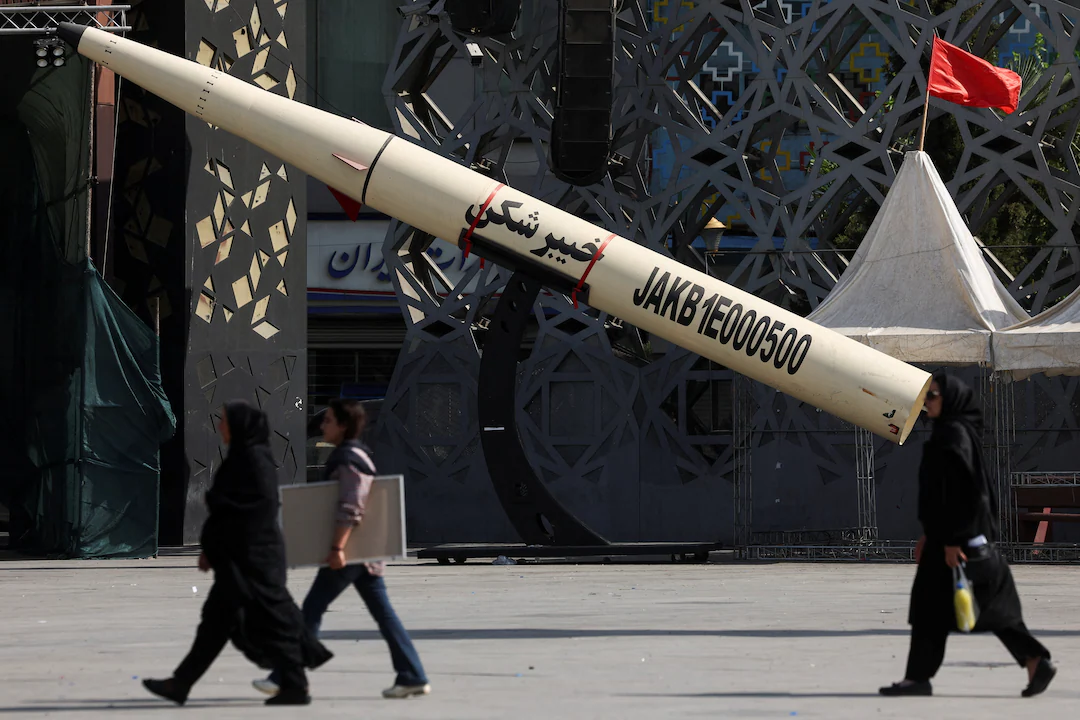
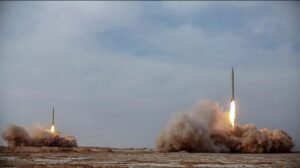
Iran has claimed responsibility for a ballistic missile strike targeting a U.S. air base in Jordan, marking another major escalation in the rapidly expanding military confrontation between Tehran and Washington. The attack came shortly after U.S. forces concluded five hours of coordinated strikes against Iranian military targets, extending a campaign that has now entered its third consecutive night.
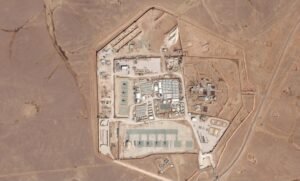
According to a statement from Iran’s Islamic Revolutionary Guard Corps (IRGC), ballistic missiles were fired at a U.S. air base in Jordan used by American forces. The IRGC also appealed directly to the Jordanian people, urging them to oppose the continued presence of U.S. military installations in the kingdom. Iranian officials described the strike as retaliation for recent American attacks on military infrastructure inside Iran.
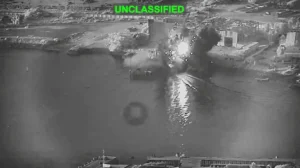
Jordan’s armed forces confirmed that several missiles entered the country’s airspace but said its air defence systems intercepted and destroyed four ballistic missiles before they reached their intended targets. Jordanian authorities reported no immediate casualties or significant damage, while reaffirming that the kingdom would defend its sovereignty against any violation of its airspace.

The missile attack followed a fresh wave of U.S. military operations directed by President Donald Trump. According to the U.S. Central Command (CENTCOM), American forces carried out approximately five hours of strikes against Iranian military facilities before ending the operation. The targets reportedly included infrastructure linked to Iran’s missile programme, naval assets and logistics facilities used by the IRGC.
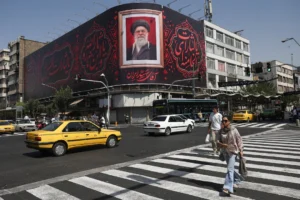
The latest exchange comes amid an increasingly volatile security environment in the Gulf. In recent days, the United States reinstated a maritime blockade on Iranian shipping and announced new measures affecting maritime traffic around the Strait of Hormuz, while Iran has maintained that the strategic waterway is effectively closed under its control. The competing claims have heightened fears of disruption to one of the world’s most important oil transit routes.
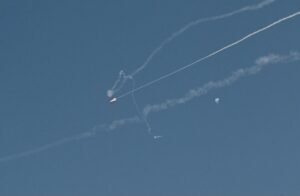
The confrontation has also spilled beyond Iran and the United States, drawing neighbouring countries deeper into the crisis. Jordan, Bahrain and several Gulf states hosting American military bases have become increasingly exposed to retaliatory attacks, raising concerns that the conflict could evolve into a broader regional war involving multiple governments.
Global financial markets reacted cautiously to the latest developments. Oil prices continued to rise as traders assessed the potential impact of prolonged fighting on energy supplies moving through the Gulf. Shipping companies are also reviewing security measures as military operations continue around key maritime routes. Analysts warn that any sustained disruption could increase transportation costs, fuel inflation and slow global economic growth.
Despite mounting international calls for restraint, neither Washington nor Tehran has indicated a willingness to scale back military operations. Diplomatic efforts led by regional mediators remain ongoing, but with missile exchanges and airstrikes continuing almost daily, prospects for an immediate de-escalation appear increasingly uncertain.