
World News
Russia Intensifies Efforts to Jam Starlink as Ukrainian Drone Operations Expand

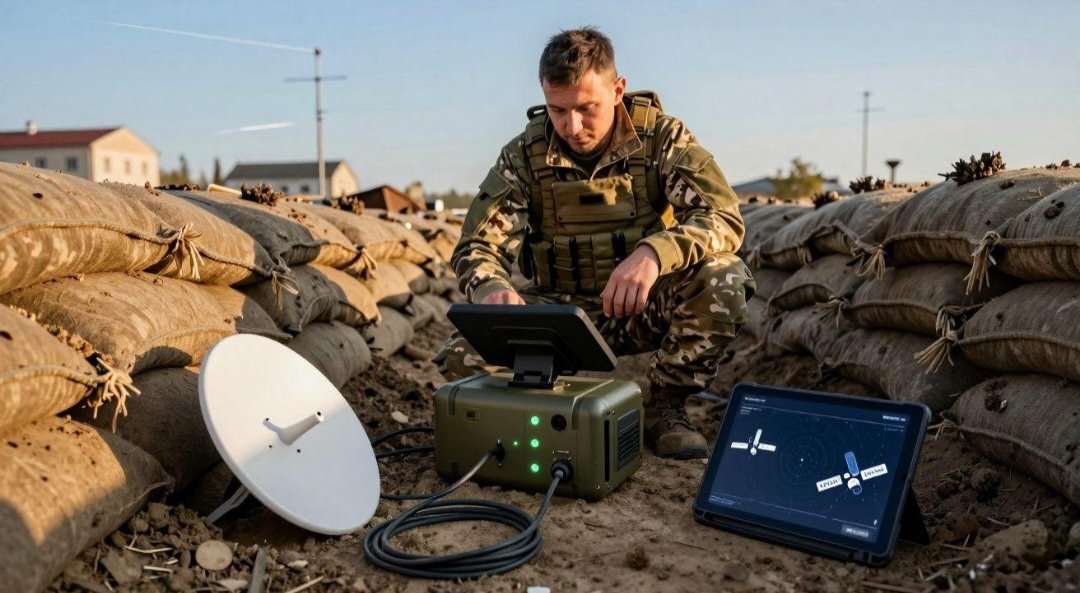
Russia is stepping up efforts to disrupt the satellite communications network operated by Star link as Moscow seeks to blunt Ukraine’s growing use of drones on the battlefield, according to military analysts, defense officials, and reports from both Russian and Ukrainian sources.
The latest developments highlight the increasingly important role of technology in the war, where satellite communications, electronic warfare systems, and unmanned aerial vehicles have become central to military operations. Ukrainian forces have relied heavily on Starlink terminals, operated by Space X, to maintain communications and support drone missions in areas where conventional telecommunications infrastructure has been damaged or destroyed.
Military experts say Russia has invested heavily in electronic warfare capabilities designed to interfere with satellite signals, GPS navigation, and drone communications. The objective is to reduce the effectiveness of Ukrainian reconnaissance and strike drones, many of which depend on reliable communications links for navigation, target identification, and transmission of battlefield intelligence.

Reports from the front lines indicate that Russian forces have deployed increasingly sophisticated jamming systems capable of disrupting communications over larger areas. These systems are intended to interfere with satellite connectivity and force Ukrainian operators to adapt their tactics or rely on alternative communications methods.

Ukrainian military personnel and technology specialists have acknowledged that Russian jamming efforts have become more intense over time. However, they also report that engineers and operators continue to develop countermeasures designed to preserve connectivity and maintain drone effectiveness. The contest has evolved into a technological race in which each side seeks to overcome the other’s latest innovations.

Analysts describe the struggle over Starlink as part of a broader electronic warfare campaign that has become one of the defining features of the conflict. Unlike traditional battles centered solely on tanks and artillery, modern warfare increasingly involves attempts to control the electromagnetic spectrum, disrupt communications networks, and deny adversaries access to critical data.
The importance of Starlink has drawn significant attention throughout the conflict because the satellite network can provide internet access even in areas where terrestrial infrastructure has been destroyed. This capability has helped Ukraine maintain military communications and coordinate operations across vast sections of the front line.

Russian officials have repeatedly argued that Western technologies supplied to Ukraine effectively support Kyiv’s military operations, while Ukrainian authorities maintain that such systems are essential for defending the country against Russian attacks. The debate has placed satellite communications at the center of broader geopolitical tensions surrounding the war.
Defense specialists note that neither side has achieved a permanent advantage. Improvements in jamming technology are frequently met with software updates, hardware modifications, and new operational tactics designed to restore communications. As a result, the electronic warfare environment continues to evolve rapidly.
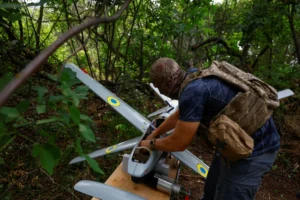
The ongoing battle over satellite connectivity underscores how modern conflicts increasingly depend on advanced technologies. Experts say the outcome of this technological contest could influence the effectiveness of drone operations, intelligence gathering, and military coordination on both sides as the war continues.