
World News
COP31 Climate Talks Collapse as EU and Other Nations Reject Final Deal

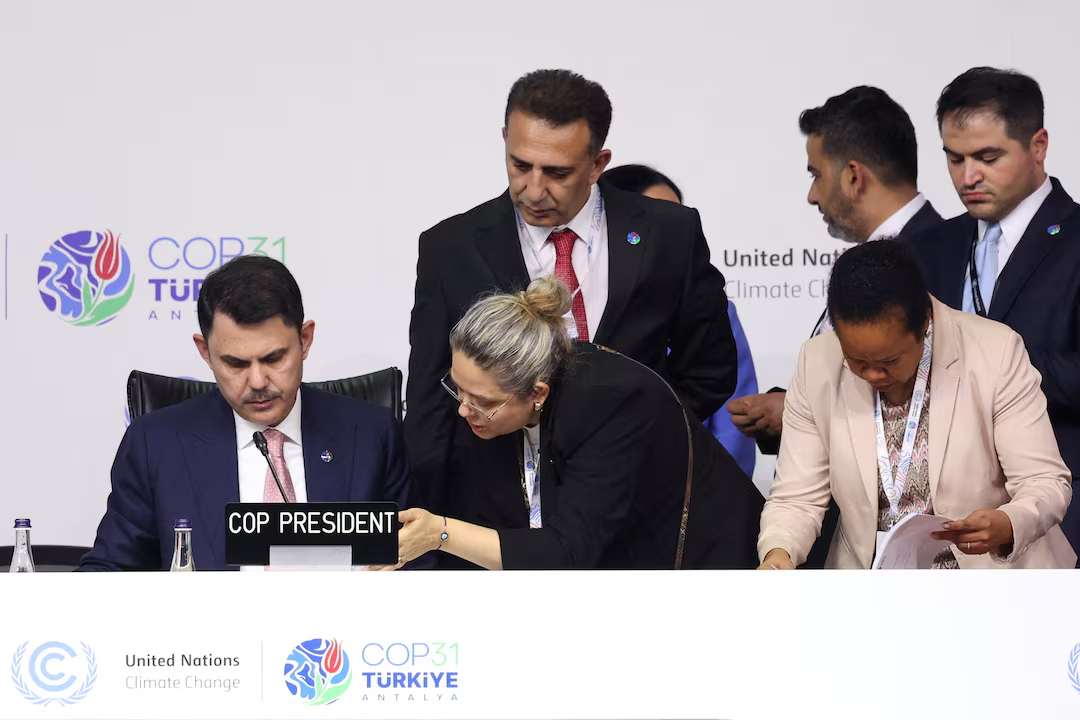
The United Nations climate negotiations at COP31 in Antalya, Türkiye, ended without an overarching agreement on Sunday, November 22, after the European Union and several other countries rejected the proposed final deal over its failure to address fossil fuels directly.
The talks, which brought together representatives from nearly 200 countries, had been scheduled to end on Friday but continued into the weekend after negotiators failed to resolve major disagreements over fossil fuels, climate finance and measures to tackle global warming.
The proposed agreement, known as the Antalya Pact, was put forward by the summit’s Turkish and Australian leadership. However, the European Union said it could not support the document because it did not explicitly mention fossil fuels, which are the main drivers of human-caused climate change.
Ireland’s Environment and Climate Minister, Darragh O’Brien, speaking on behalf of the EU, said the proposed agreement failed to meet the urgency of the climate crisis.
He maintained that the bloc would not endorse a final declaration that made no direct reference to fossil fuels or the need to transition away from them.
Panama, Norway, the United Kingdom and several vulnerable island nations also expressed objections to the proposed text, describing it as insufficient to address the scale of the climate emergency.
A major point of contention was the removal of explicit language on moving away from coal, oil and gas. More than 130 countries had pushed for stronger commitments on the transition away from fossil fuels, but oil-producing nations, including Saudi Arabia, resisted their inclusion.
The draft also promoted the expansion of carbon capture and storage technologies, which supporters argue can help remove emissions from industrial activities. However, critics warned that relying heavily on such technologies could allow continued fossil fuel production instead of requiring substantial emissions reductions.
Climate finance was another major source of disagreement, with developing countries seeking clearer commitments from wealthier nations to support adaptation to rising temperatures, extreme weather and other climate-related impacts.
The proposed pact included a commitment to increase adaptation finance, but critics said it lacked sufficient clarity on funding levels and how the commitment would be delivered.
As the negotiations reached their closing session, COP31 President and Türkiye’s Environment Minister, Murat Kurum, acknowledged that countries had failed to reach consensus on the proposed document.
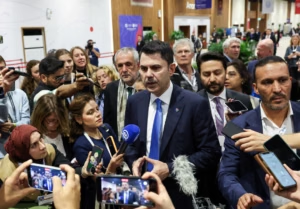
He said the draft would not be adopted because some participating nations had opposed it.
The breakdown marks a significant setback for international climate diplomacy, with the last major failure to secure a consensus outcome at a UN climate summit occurring in Copenhagen in 2009.
The outcome comes as the world faces growing climate pressures, including extreme heat, floods, droughts and other severe weather events. It also follows warnings that global temperatures are on course to exceed the 1.5°C threshold that countries committed to limiting under the 2015 Paris Agreement.
Despite the failure to agree on an overarching political declaration, the collapse does not cancel existing international climate commitments or the legal frameworks established through previous climate agreements.
The next UN climate summit, COP32, is scheduled to take place in Addis Ababa, Ethiopia, in November 2027.