World News
Middle East Tensions Escalate as Iran Retaliates Against Bahrain and Kuwait Following U.S. Strikes

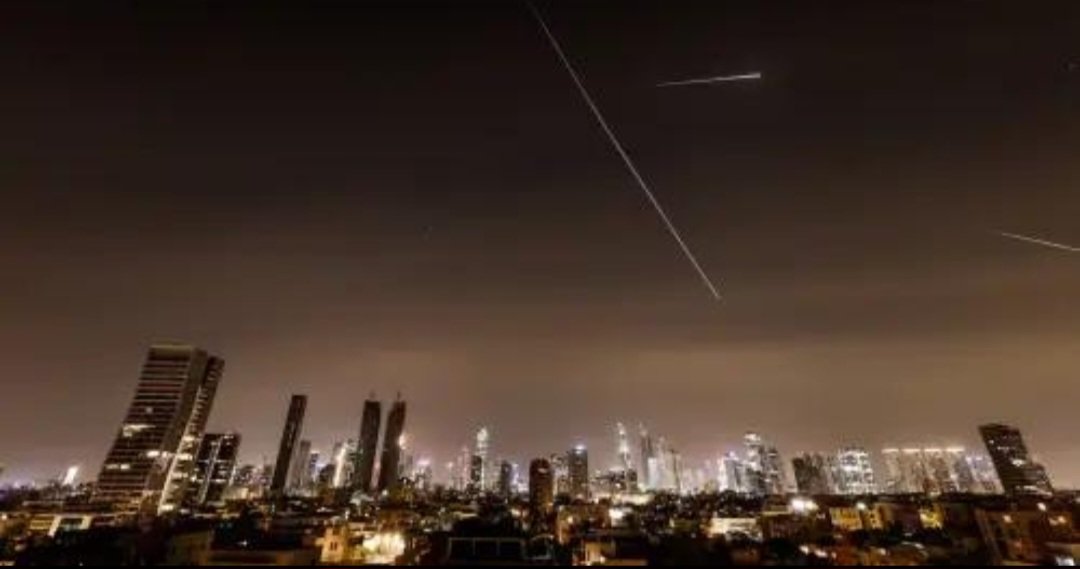
The Middle East moved closer to a broader regional confrontation on Wednesday after Iran launched missile and drone attacks targeting U.S. military facilities in Bahrain and Kuwait, hours after American forces carried out a new wave of strikes against Iranian military assets.
According to Iranian state media and the Islamic Revolutionary Guard Corps (IRGC), the attacks were aimed at dozens of American military installations in the two Gulf nations in retaliation for U.S. operations against Iranian military infrastructure. Tehran claimed the strikes were a direct response to what it described as American aggression and also said it had shot down a U.S. MQ-9 Reaper drone during the operation.
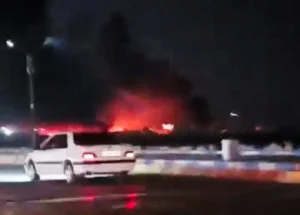
Authorities in Bahrain and Kuwait confirmed that air-raid sirens sounded as air defence systems were activated to intercept incoming missiles and drones. Kuwaiti officials said defensive systems engaged multiple airborne threats, while Bahrain urged residents to remain indoors until the immediate danger had passed. Initial reports did not immediately indicate the full extent of damage or casualties, though assessments were continuing.
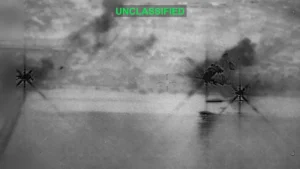
The Iranian retaliation followed fresh U.S. military strikes on Iran after Washington accused Tehran of attacking commercial vessels transiting the strategic Strait of Hormuz. U.S. Central Command said the operation targeted dozens of Iranian military positions, including air defence systems, missile launch sites, drone facilities and naval assets used to threaten maritime traffic in the Gulf.
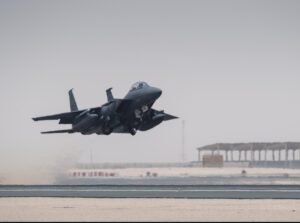
Washington also revoked a temporary licence that had allowed Iran to continue limited crude oil exports under an earlier diplomatic arrangement, significantly increasing economic pressure on Tehran. American officials argued that Iran had violated previous commitments by allegedly attacking commercial shipping in one of the world’s busiest energy corridors.
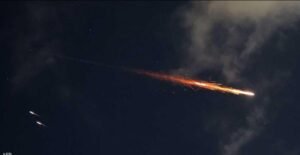
Iran rejected the U.S. accusations, insisting it was exercising its right to self-defence and condemning both the military strikes and renewed sanctions as violations of previous understandings between the two countries. Iranian officials warned that further American attacks would trigger additional retaliatory measures across the region.
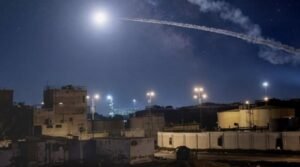
The latest exchange has further undermined hopes of reviving negotiations aimed at reducing tensions in the Gulf. Diplomatic efforts had already been strained by repeated attacks on commercial shipping and disagreements over security arrangements in the Strait of Hormuz, a critical passage through which a significant share of the world’s oil exports passes.
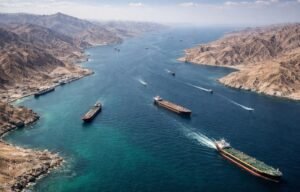
Financial markets reacted swiftly to the renewed violence. Oil prices climbed as investors worried that continued fighting could disrupt energy exports from the Gulf and threaten global supply chains. Analysts warned that any prolonged conflict affecting the Strait of Hormuz could have significant consequences for international energy markets and shipping.
Military analysts say the latest strikes represent one of the most serious escalations between Washington and Tehran in recent months, raising fears that neighbouring Gulf states hosting American military facilities could become increasingly involved if hostilities continue. Despite international calls for restraint, both sides have signalled a willingness to continue military operations, leaving the region facing heightened uncertainty.