
World News
Iran Warns Oil Tankers to Use Approved Routes in Strait of Hormuz or Face a ‘Forceful Response’

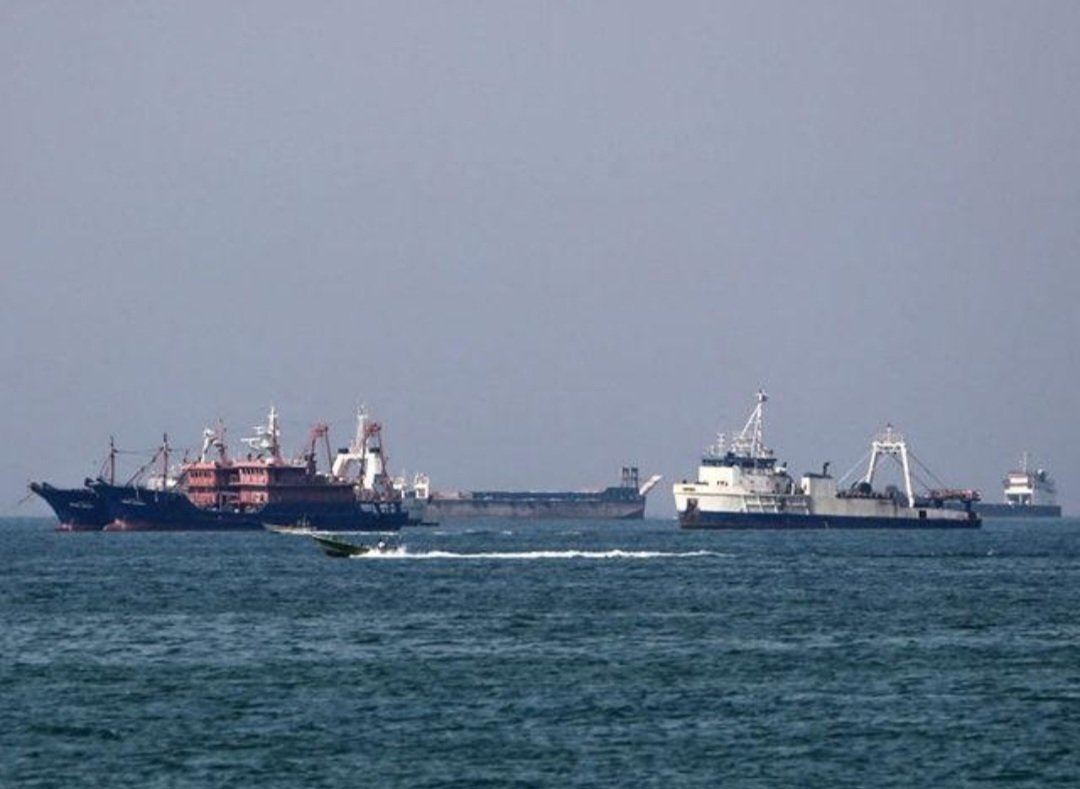
Iran has issued a stern warning to oil tankers and commercial vessels transiting the Strait of Hormuz, saying ships must follow navigation routes approved by Tehran or risk an “immediate and forceful response” from its armed forces. The announcement has heightened tensions around one of the world’s most strategically important maritime chokepoints and raised fresh concerns over global energy security.
The warning was issued by Iran’s Khatam al-Anbiya Central Headquarters, the country’s joint military command, in a statement broadcast on state television. It said any vessel that deviates from Iran’s designated routes or fails to comply with its navigation protocols would be considered a threat to security and could face military action. Iranian officials also criticized the continued presence of U.S. military aircraft over the waterway, arguing that such operations undermine regional stability.
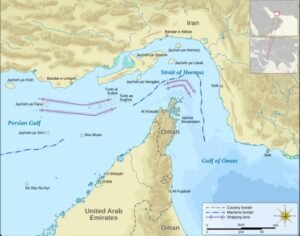
The Strait of Hormuz, which links the Persian Gulf with the Gulf of Oman and the Arabian Sea, carries roughly one-fifth of the world’s seaborne oil exports. Any disruption to shipping through the narrow waterway has the potential to affect global energy markets, increase transportation costs and push up oil prices. Although traffic has recently begun to recover following earlier disruptions, shipping companies remain cautious about operating in the region.
Iran’s latest warning comes amid delicate diplomatic efforts to transform the recent ceasefire between Iran and the United States into a lasting peace agreement. Negotiators from both countries met in Doha, Qatar, this week with mediators seeking to resolve disputes over security arrangements in the Gulf, including freedom of navigation through the Strait of Hormuz. Despite reports of “positive progress,” no comprehensive agreement has yet been reached.
According to Iranian officials, the demand for vessels to follow approved routes is intended to maintain security in the waterway. However, the warning appears to challenge longstanding international principles supporting freedom of navigation through international shipping lanes. The United States has repeatedly maintained that the Strait of Hormuz must remain open to all commercial shipping and has reaffirmed its commitment to protecting the free flow of maritime trade.
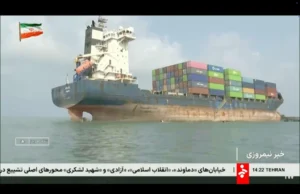
The latest development follows weeks of heightened military activity in the Gulf. Several commercial vessels have recently come under attack near the Strait of Hormuz, prompting many shipping companies to alter routes, increase security measures or temporarily delay voyages. Marine insurers have also raised premiums for ships operating in the area because of the increased security risks.
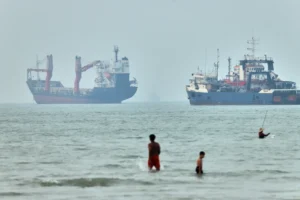
Energy analysts warn that prolonged uncertainty in the Strait of Hormuz could have significant consequences for international markets. Gulf producers including Saudi Arabia, Iraq, Kuwait, the United Arab Emirates and Qatar rely heavily on the waterway to export crude oil and liquefied natural gas. While some exporters have access to alternative pipeline routes, a sustained disruption would still affect global supply chains and international energy prices.
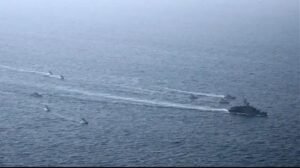
Despite the renewed tensions, oil prices fell on Thursday after diplomatic progress between Washington and Tehran eased immediate fears of a prolonged disruption to Gulf shipping. Nevertheless, analysts cautioned that the situation remains highly volatile and that any confrontation involving commercial vessels in the Strait of Hormuz could quickly reverse recent market optimism.
As negotiations continue, governments and shipping companies around the world are closely monitoring developments in one of the world’s most critical maritime corridors. Whether diplomacy succeeds in reducing tensions or the dispute escalates further will have significant implications for global trade, energy security and stability across the Middle East.