
World News
US Supreme Court Clears ExxonMobil Path for Lawsuit Over Cuban Property Seized After Revolution

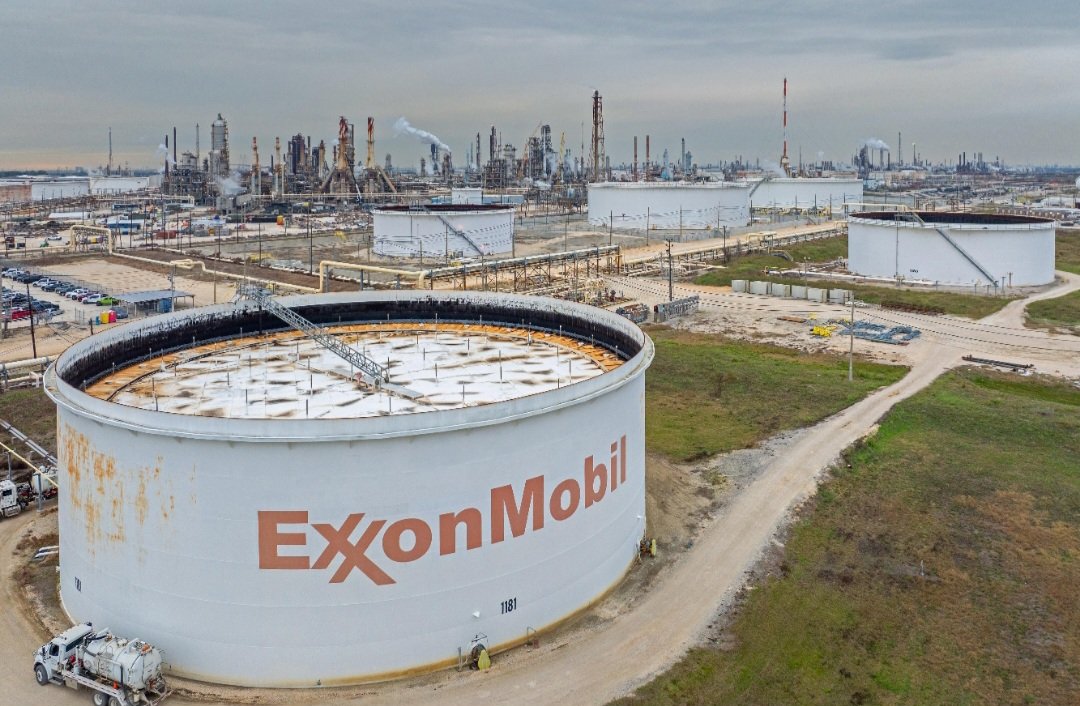
The United States Supreme Court has cleared the way for ExxonMobil to pursue a long-running legal case seeking compensation for oil and fuel assets seized in Cuba following the 1959 revolution led by Fidel Castro.
The decision allows the lawsuit to proceed under the controversial Helms-Burton Act, a US law that enables American companies and citizens to sue foreign firms alleged to be profiting from property confiscated by the Cuban government decades ago.

The case centers on claims that properties originally owned by companies later acquired by ExxonMobil were nationalized without compensation after the Cuban Revolution. The ruling effectively revives ExxonMobil’s ability to seek damages from companies allegedly benefiting from the use of those assets in Cuba.

Legal experts say the decision strengthens enforcement of the Helms-Burton Act, which has long been a point of tension between Washington and Havana, as well as between the United States and European allies whose companies operate in Cuba.

ExxonMobil has argued that it is entitled to compensation for the use of infrastructure and facilities that it says were unlawfully seized. The company maintains that the confiscations represent a continuing economic harm that remains unresolved more than six decades later.

The Cuban government has consistently rejected such claims, arguing that the nationalizations were lawful under revolutionary law and part of a sovereign restructuring of the country’s economy. Havana has also condemned the Helms-Burton Act as extraterritorial and politically motivated.

The Supreme Court’s decision does not rule on the merits of ExxonMobil’s case but allows lower courts to proceed with hearings, potentially opening the door to renewed litigation involving multiple multinational companies.

Analysts say the ruling could have wider implications for international business dealings with Cuba, particularly as the country seeks to attract foreign investment amid ongoing economic challenges.
Diplomatic observers also warn that the case may further strain US–Cuba relations, which have fluctuated for decades between cautious engagement and renewed tension.