
World News
European Airlines Split by Iran Conflict as Fuel Costs Reshape Industry

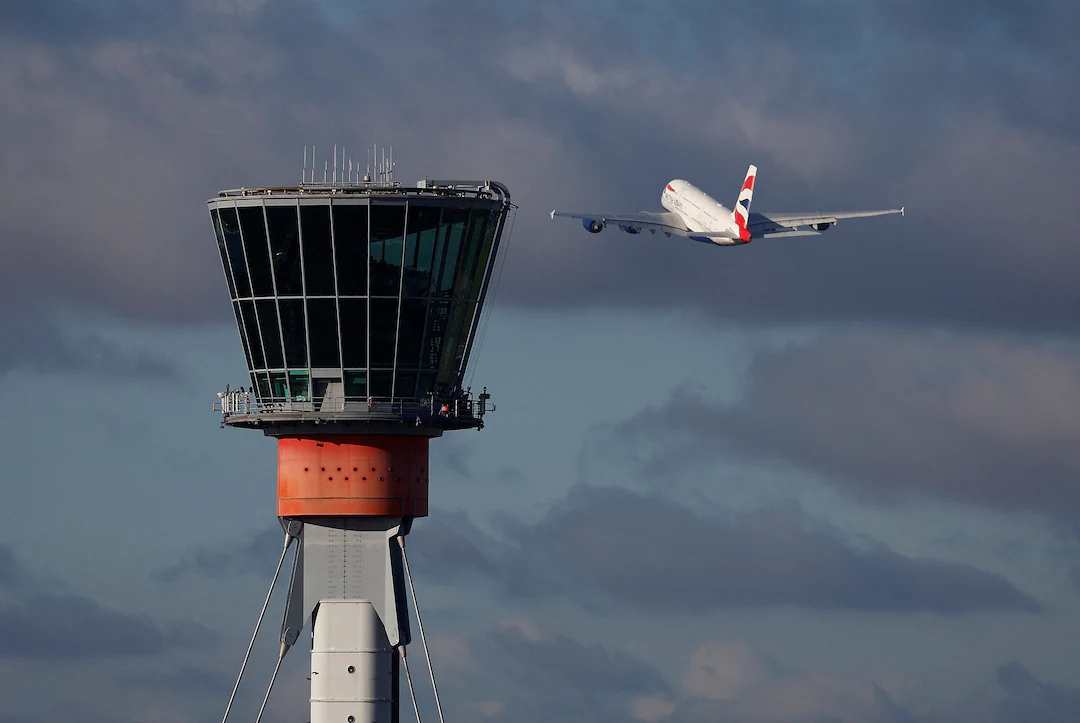
The ongoing Iran war is reshaping Europe’s aviation industry, creating a sharp divide between traditional full-service airlines and low-cost carriers as soaring fuel prices, changing travel patterns, and geopolitical uncertainty continue to affect the sector.

Analysts say the conflict, which began earlier this year, has fundamentally altered the outlook for European airlines. While all carriers initially suffered from rising fuel costs and weakened consumer confidence, recent financial results show that legacy airlines are weathering the crisis far better than their budget competitors.
When the conflict erupted, investors reacted swiftly. Shares in Europe’s major airlines fell by more than 12% as oil prices surged and jet fuel costs climbed dramatically. The price of jet fuel reportedly rose from around $800 per metric ton before the war to approximately $1,300, placing enormous pressure on airline operating costs.
However, the industry’s fortunes have since diverged.
Low-cost airlines such as Ryanair, Wizz Air, and easyJet have struggled as price-sensitive travellers cut discretionary spending and competition forced carriers to keep fares relatively low despite sharply higher operating expenses. As a result, analysts expect profits for several budget airlines to decline significantly this year. EasyJet has already reported a steep fall in quarterly profits, attributing much of the decline to volatile fuel prices and softer consumer demand.
In contrast, Europe’s major network airlines; including Air France-KLM, Lufthansa, and International Airlines Group (IAG), the parent company of British Airways, have proved more resilient. Strong demand for premium long-haul travel, particularly on transatlantic routes, has helped offset higher fuel bills. These airlines also benefit from diversified revenue streams such as loyalty programmes, cargo operations, and aircraft maintenance businesses, cushioning the financial impact of the crisis.
The conflict has also forced airlines to reroute flights around parts of the Middle East, increasing journey times and fuel consumption. Industry experts warn that if geopolitical tensions persist, airlines may continue to face elevated costs, reduced operational efficiency, and pressure on ticket prices. Earlier this year, European aviation authorities also raised concerns about potential jet fuel shortages because the continent imports a substantial share of its aviation fuel from the Middle East.
Despite these challenges, investors have shown growing confidence in Europe’s legacy carriers. Market analysts now forecast only a modest decline in profits for traditional airlines in 2026, with many expected to recover fully by 2027. By contrast, several low-cost airlines remain under pressure from shrinking margins, prompting speculation that the industry could experience mergers, acquisitions, or even business failures if fuel prices remain elevated.
The aviation divide reflects broader economic consequences of the Iran conflict. According to the European Central Bank, uncertainty surrounding the war has weakened consumer confidence and reduced household spending across the eurozone, particularly on discretionary purchases such as holidays and leisure travel. At the same time, hopes of renewed diplomatic engagement between the United States and Iran have recently eased oil prices, offering airlines some relief, though analysts caution that geopolitical risks remain high.
For Europe’s airline industry, the Iran war has become more than a temporary disruption. It has accelerated a structural shift in which financially stronger, diversified carriers appear better equipped to withstand prolonged geopolitical shocks, while budget airlines face mounting challenges in maintaining profitability amid rising costs and uncertain demand.