
World News
US-Iran Conflict Sends Fuel Prices Higher, Fuelling Protests Worldwide

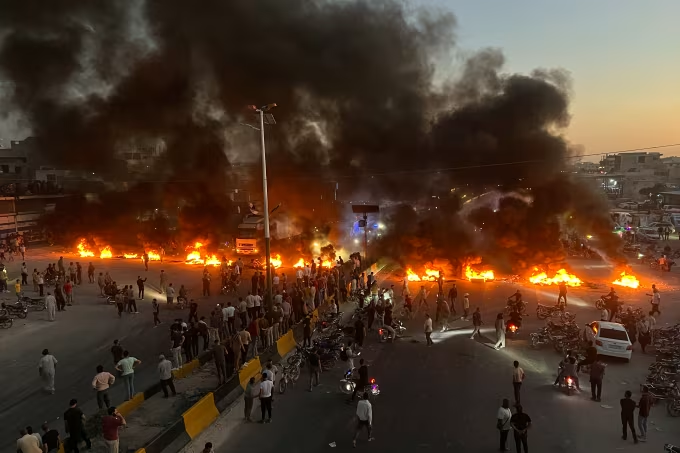
Rising fuel prices and energy shortages are triggering protests in several countries as the prolonged US-Iran conflict continues to disrupt oil supplies and push energy costs higher around the world.

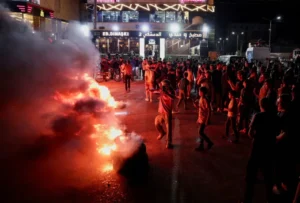
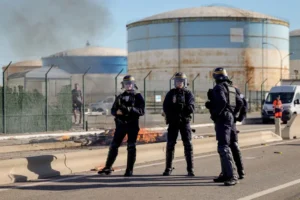
The latest unrest has been reported in Syria, where demonstrations erupted after the government sharply increased petrol and diesel prices. Protesters blocked roads and burned tyres in several cities, including Hama, Khan Sheikhoun and Maarat al-Numan. The Syrian government raised diesel prices by as much as 40% and petrol prices by 28%, blaming higher global fuel costs and an overhaul of the Baniyas refinery.
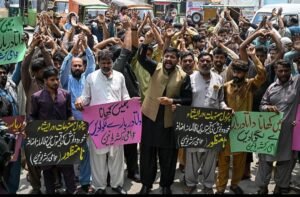
The protests are part of a wider wave of economic discontent linked to the energy crisis. The Armed Conflict Location & Event Data project (ACLED) says it has recorded more than 1,200 demonstrations across South Asia connected to the economic impact of the Iran war, including protests over fuel shortages, cooking gas and the rising cost of living.

ACLED said demonstrations across South Asia increased from an average of about three per day before the conflict to around 15 per day during the period it examined. Pakistan, India, Nepal, Bangladesh, Sri Lanka and the Maldives have all experienced protests or other demonstrations linked to rising costs.

Pakistan has been particularly exposed because it imports most of its oil, with more than 90% of its oil and gas imports passing through the Strait of Hormuz, according to ACLED. The organisation said three-quarters of protests in Pakistan over the rising cost of living have been directly related to fuel-price increases.
The pressure on consumers is being driven by disruptions to global oil flows. Brent crude moved above $100 a barrel on September 9, its first return above that level in six weeks, after intensified US-Iran fighting and attacks on energy infrastructure heightened concerns about supplies from the Middle East. Reuters reported that Brent had risen about 25% since early August.
The energy market has also been hit by disruptions affecting Saudi Arabia. Reuters reported on September 15 that Saudi Arabia had cancelled some September oil cargoes to Europe after attacks damaged its East-West pipeline and forced the suspension of loadings at the Red Sea port of Yanbu. Brent futures were trading near $108 a barrel, while some physical crude prices in Europe were around $122.
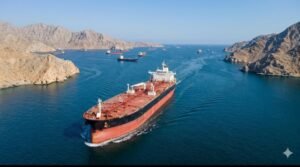
The disruptions are particularly significant because the Strait of Hormuz is a crucial route for global energy supplies. Reuters estimated that about 10 million barrels of oil per day, roughly 10% of global oil demand, remained offline as a result of the conflict and related disruptions.
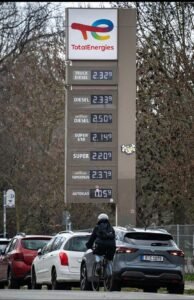
Higher crude prices are feeding through to transport and manufacturing costs, raising concerns about inflation and household expenses. In the United States, diesel prices have also reached record levels amid the wider fuel squeeze, while consumers in other countries face higher petrol, diesel and cooking-gas costs.
The International Energy Agency has described the conflict’s impact as an unprecedented disruption to global fuel markets and has coordinated emergency measures to increase available supplies.

With the conflict continuing and key energy routes still vulnerable, governments face growing pressure to protect consumers from further price increases. For many countries that rely heavily on imported fuel, the combination of higher energy costs, inflation and shortages is increasingly becoming a source of public unrest.