
World News
Vance Blames Iran for Soaring US Gas Prices, Refuses to Promise When Costs Will Fall

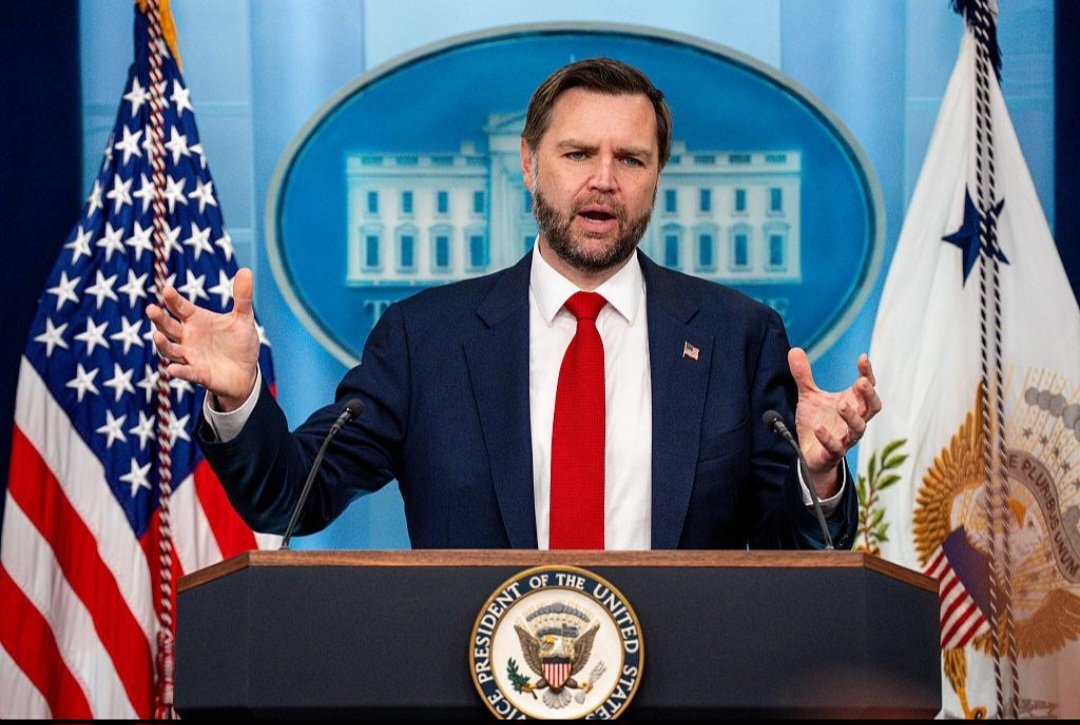
US Vice President JD Vance has acknowledged that Americans are facing persistently high gasoline prices but declined to say when motorists can expect pump prices to return to lower levels, as the conflict involving the United States and Iran continues to disrupt global energy markets.
Speaking at a White House briefing on Thursday, Vance blamed Iran’s attacks on commercial shipping in the Strait of Hormuz for keeping pressure on oil supplies and gasoline prices.
Asked when Americans could expect gasoline to return to $3 a gallon, Vance refused to make a commitment.
“I’m not going to make a promise about when it’s going to return to three dollars.”
The vice president said the timing would depend largely on Iran’s actions, particularly its attacks on shipping through the strategic waterway.
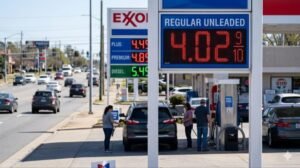
The latest figures show the pressure facing American motorists.
According to AAA, the national average price for regular gasoline stood at approximately $4.14 per gallon on September 3, up from $4.10 a week earlier and $3.19 a year ago. AAA said the national average had never previously been above $4 on Labor Day.
The increase comes despite gasoline demand typically weakening toward the end of summer.
AAA attributed the unusual price trend to elevated crude oil costs, with continued uncertainty surrounding oil shipments through the Strait of Hormuz.
The most expensive states include California, where the average was about $5.78 a gallon, followed by Washington at $5.47 and Hawaii at $5.41. Meanwhile, Texas averaged about $3.69.
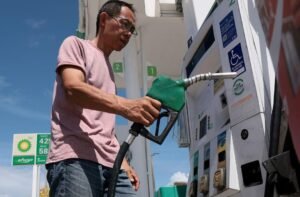
Vance’s comments mark a retreat from earlier expectations within the Trump administration that fuel prices could ease significantly by the end of summer.
Treasury Secretary Scott Bessent had previously expressed hope that gasoline could average around $3 a gallon nationwide by Labor Day. That target has not materialized, with the national average now more than a dollar above it.
Vance argued that the administration’s ability to bring prices down is constrained by the conflict and Iran’s ability to interfere with oil shipping.
He also maintained that the United States is no longer engaged in what he described as a conventional war with Iran, even though military confrontations and attacks on shipping continue.
The administration has said it wants to restore safe passage through the Strait of Hormuz, a critical route for global oil shipments.
The uncertainty is already being reflected in international oil markets.
Reuters reported that Brent crude climbed to about $96 a barrel, while US West Texas Intermediate crude reached around $92, as renewed US-Iran hostilities raised fears of further disruptions to Middle Eastern energy supplies.
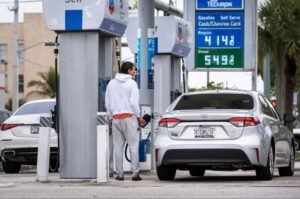
US diesel prices have also been hit particularly hard. Reuters reported that the national average for diesel reached a record $5.82 per gallon, adding pressure to trucking, agriculture and other industries that rely heavily on diesel fuel.
The gasoline surge is becoming an increasingly difficult political issue for President Donald Trump’s administration ahead of the November midterm elections.
Higher fuel costs affect not only drivers but also transportation, food distribution and other consumer prices, potentially adding to broader inflationary pressures.
For now, Vance is offering no firm timetable for relief.
His message to motorists is effectively that cheaper gasoline depends on developments in the Middle East; particularly whether Iran stops attacks on commercial shipping and whether oil flows through the Strait of Hormuz can return closer to normal.
For millions of Americans heading into the Labor Day weekend, however, the immediate reality is clear: gasoline remains above $4 a gallon nationally, and the administration cannot say when that will change.