
World News
Carney Says US Tariff Retaliation Against Canada Is ‘No Surprise’ as Trump Threatens 50% Auto Levies

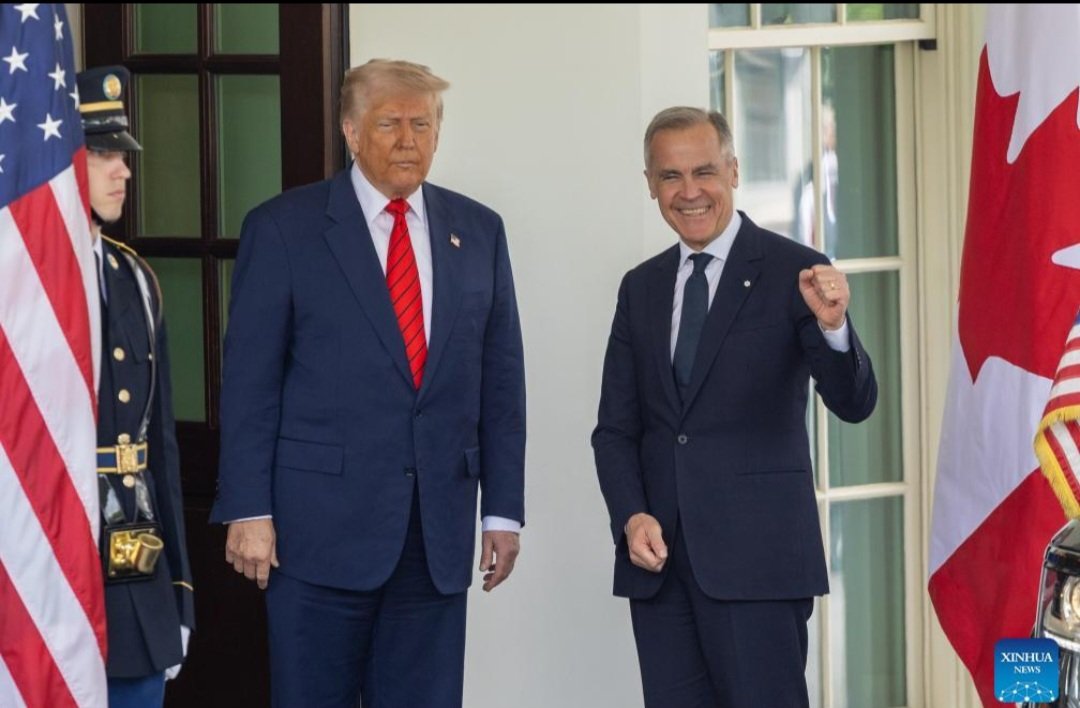
Canadian Prime Minister Mark Carney has said he was not surprised by the possibility of further US retaliation against Canada after President Donald Trump threatened to impose 50% tariffs on Canadian-made vehicles, auto parts and steel.
Trump announced the proposed measures on Monday, escalating an already bitter trade dispute between the two North American neighbours. The new tariffs are expected to take effect on January 1, 2027, if implemented.
Asked about Trump’s latest threat, Carney said Canada’s government had anticipated that Washington could respond after trade negotiations between the two countries broke down.
The Canadian prime minister has maintained that Ottawa will defend the country’s economic interests while remaining open to negotiations with Washington.
Trump said he would raise tariffs on Canadian automobiles and auto parts to 50%, arguing that Canada had been an unfair trading partner and accusing the country of taking advantage of the United States.
The proposed increase would represent a doubling of the existing 25% US tariff on Canadian vehicles and parts. Trump also threatened a 50% levy on Canadian steel.
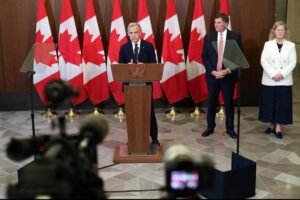
The US president urged Canadian manufacturers to move production to the United States to avoid the tariffs, further intensifying tensions between the two countries.
The announcement came after negotiations aimed at reaching a new trade agreement collapsed over the weekend.
Carney has strongly criticised Washington’s approach, warning that the US demands could seriously damage Canada’s automotive sector.
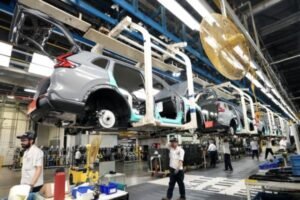
Canada and the United States have deeply integrated auto industries, with vehicles and components frequently crossing the border multiple times during the manufacturing process.
Carney has argued that treating the two countries’ automotive industries as if they were separate could cause significant disruption on both sides of the border. The Canadian prime minister has also described the US position as a threat to Canada’s economic sovereignty.
The automotive industry is particularly important to Ontario, where many Canadian vehicle assembly plants and parts manufacturers are based.
Ottawa has already announced plans to retaliate against US tariffs.
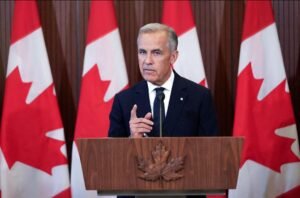
Carney said Canadian countermeasures would come into effect on September 8, following the latest escalation in the trade dispute.
Ontario Premier Doug Ford has separately warned that Canada should be prepared to use critical resources, including electricity and minerals, as leverage if Washington continues escalating the dispute.
Ford said Canada should be ready for an economic fight while insisting that Ottawa should continue looking for a negotiated solution.
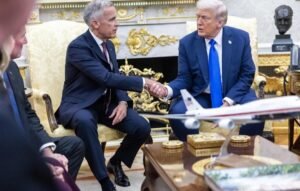
The dispute is particularly sensitive because Canada and the United States have one of the world’s most integrated trading relationships, with hundreds of billions of dollars in goods crossing their shared border every year.
Automakers have warned that additional tariffs could increase production costs and disrupt highly interconnected supply chains.
US companies could also feel the impact because American manufacturers rely on Canadian steel, parts and other materials.
Markets reacted negatively to Trump’s announcement, with shares of several companies exposed to Canadian auto production falling.
Despite the increasingly hostile rhetoric, both sides have indicated that negotiations could still resume.
For now, however, the latest tariff threat marks another sharp escalation in the trade confrontation between Washington and Ottawa.