
World News
Xi, Putin and Modi Join Leaders in Bishkek as SCO Pushes Back Against US Influence

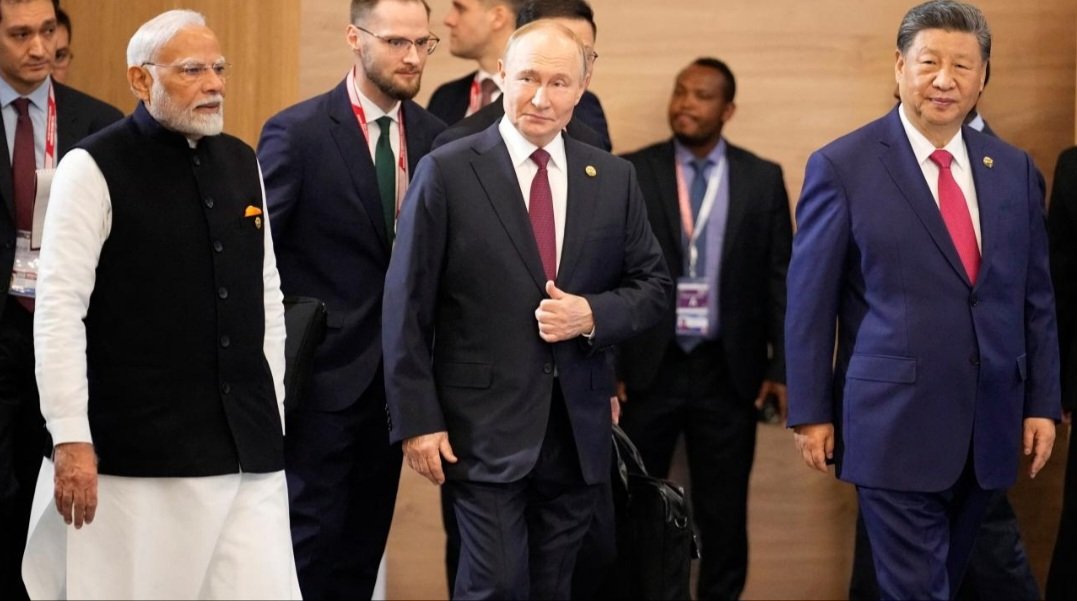
Leaders of China, Russia, India and Iran have gathered in the Kyrgyz capital, Bishkek, for a major Shanghai Cooperation Organisation summit that is showcasing growing cooperation among countries seeking a greater role outside the US-led global order.
Chinese President Xi Jinping, Russian President Vladimir Putin and Indian Prime Minister Narendra Modi are among the most prominent figures attending the two-day summit, alongside Iranian President Masoud Pezeshkian, Turkish President Recep Tayyip Erdogan and other leaders from the region.
The gathering comes at a particularly sensitive moment in international relations, with the US-Israel war with Iran, Russia’s war in Ukraine, trade tensions and competition between Washington and Beijing all influencing the diplomatic discussions.
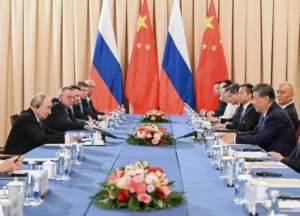
The SCO, founded in 2001, has expanded significantly and now includes 10 members, including China, Russia, India, Iran and Pakistan. The organisation is increasingly portrayed as a platform for countries seeking alternatives to Western-dominated institutions and a more multipolar international system.
On the sidelines of the summit, Xi held talks with Putin and stressed that the foundations of the China-Russia relationship would become stronger.
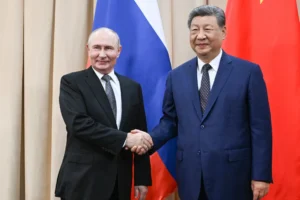
Xi said the two countries should work with other nations to promote reforms to global governance and advance what Beijing describes as a more equitable and orderly multipolar world.
Putin, meanwhile, said Russia was prepared to strengthen ties with China, including efforts to make visa-free travel between the two countries permanent.
The discussions underline the increasingly close strategic relationship between Beijing and Moscow as both countries face significant tensions with Washington.
India’s participation has added another layer of complexity to the summit.
Modi met Putin in Bishkek and urged an end to the war in Ukraine, saying the human cost of continued conflict makes peace essential.
The Indian prime minister stressed that India supports efforts aimed at achieving peace, while Putin maintained that Moscow was moving toward a resolution but continued to insist on Russia’s position regarding the conflict.
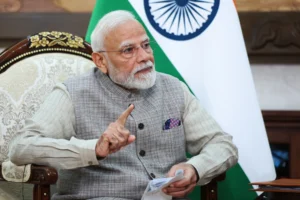
India’s position illustrates the limits of viewing the SCO as a unified anti-American alliance.
Although New Delhi has strengthened relations with Moscow and improved ties with Beijing, India also maintains important strategic and economic relationships with the United States.
Iranian President Masoud Pezeshkian is also attending the summit, giving the meeting additional geopolitical importance following the war involving Iran, the United States and Israel.
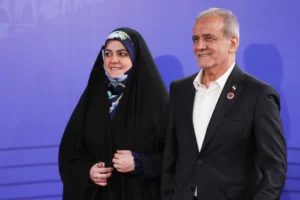
Russia and Iran, both facing significant confrontation with Western powers, see the SCO as an important diplomatic platform for strengthening relationships with countries outside the traditional Western alliance system.
Putin is expected to hold further talks with Pezeshkian during the summit, while leaders are also expected to discuss regional security, trade, energy and economic cooperation.
Despite the striking images of Xi, Putin and Modi appearing together, analysts caution against interpreting the gathering as the creation of a formal China-Russia-India alliance.
The three countries have significant differences, particularly over India’s relationship with China and its security partnership with the United States.
Instead, the SCO offers them a platform to pursue overlapping interests while maintaining their separate foreign-policy priorities.
The summit’s agenda includes regional security, connectivity, trade, energy and development, while the conflicts in Ukraine and the Middle East are also casting a long shadow over the discussions.
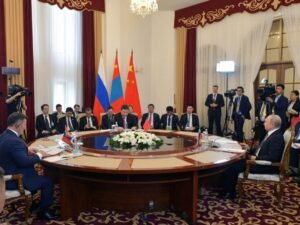
The Bishkek meeting is nevertheless an important demonstration of the changing balance of global power.
China and Russia are pushing for greater use of non-Western institutions and financial mechanisms, while India continues to pursue what it describes as strategic autonomy.
For Beijing and Moscow in particular, bringing major Asian powers together provides an opportunity to demonstrate that Washington does not have a monopoly on international diplomacy.
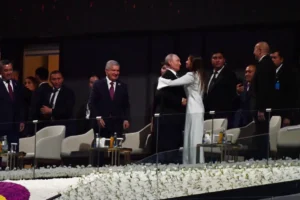
The challenge for the SCO, however, will be converting its growing membership and political symbolism into concrete cooperation.
For now, the gathering in Bishkek sends a clear diplomatic message: China, Russia, India, Iran and their partners want a larger voice in shaping the international system, and they are increasingly willing to challenge the dominance of the US and its allies.
The summit is scheduled to continue through September 1, with leaders expected to discuss regional and global issues and cooperation among SCO members.