
World News
Trump Sends Saudi Nuclear Deal to Congress, Demands Recognition of Israel

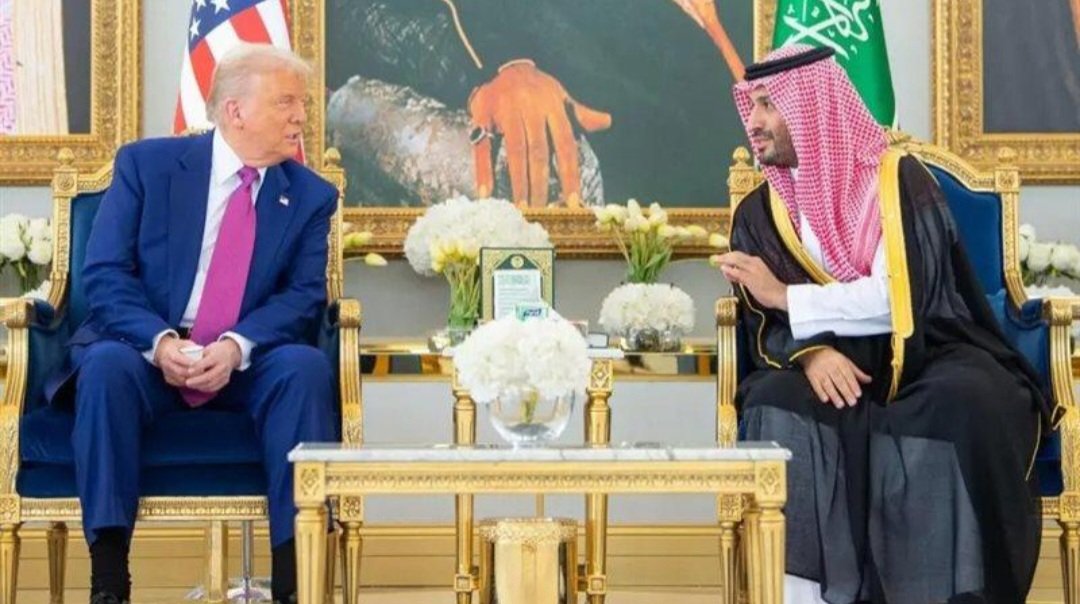
US President Donald Trump has submitted a proposed civilian nuclear energy agreement with Saudi Arabia to Congress, while insisting that the landmark pact will only move forward if Riyadh normalises diplomatic relations with Israel.
The agreement, which was signed by US and Saudi officials in July, has now entered the congressional review process required under US law. Congress has 90 session days to consider the pact. If lawmakers do not pass a joint resolution rejecting it during that period, the agreement can take effect.
The proposed 30-year agreement would allow US companies to export civilian nuclear technology to Saudi Arabia and participate in the development of the kingdom’s nuclear programme. The deal is expected to involve AP1000 nuclear reactors and could be worth tens of billions of dollars.
However, the agreement’s future remains uncertain because Trump has attached a major political condition to it: Saudi Arabia must join the US-brokered Abraham Accords and establish diplomatic relations with Israel.
A senior US administration official confirmed that Trump’s position had not changed, saying the agreement would only proceed if Saudi Arabia joins the accords, which have previously led to the normalisation of relations between Israel and countries including the United Arab Emirates, Bahrain and Morocco.
The condition has complicated an already sensitive diplomatic issue.
Saudi Arabia has maintained that it will not recognise Israel without a credible and irreversible path toward the establishment of a Palestinian state. That position has become more pronounced amid the continuing Israeli-Palestinian conflict.
Israeli Prime Minister Benjamin Netanyahu, meanwhile, has rejected the establishment of a Palestinian state, creating a significant obstacle to the US administration’s effort to bring Riyadh into the Abraham Accords.
The nuclear agreement has also attracted scrutiny in Washington over nuclear proliferation.
Democratic lawmakers and nonproliferation advocates have raised concerns that the agreement may not contain the same stringent restrictions used in previous US nuclear cooperation agreements, particularly measures designed to prevent uranium enrichment and the reprocessing of nuclear waste.
The United Arab Emirates accepted such restrictions in its 2009 nuclear agreement with Washington, a framework often described as the US “gold standard” for preventing the spread of nuclear weapons technology.
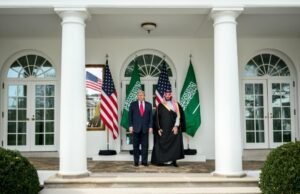
The Trump administration, however, says the Saudi agreement contains the nonproliferation measures required under US law.
The agreement’s formal submission to Congress also comes despite the fact that much of the pact remains classified. The Associated Press reported that the entire agreement being classified is unusual because previous civilian nuclear cooperation agreements have generally been made public, although some have contained classified sections.
For Saudi Arabia, the nuclear programme is intended to support its growing domestic energy needs and diversify its energy sector. For Washington, the agreement could strengthen economic and strategic ties with one of the Middle East’s most influential powers.
But Trump’s insistence that the deal depends on Saudi recognition of Israel could make the agreement difficult to implement.
The congressional review will therefore unfold alongside a much larger diplomatic question: whether Washington can persuade Riyadh to establish formal relations with Israel while Saudi Arabia continues to demand progress toward Palestinian statehood.
For now, the nuclear pact has moved to Congress, but its implementation remains tied to a potentially difficult Saudi-Israeli diplomatic breakthrough.