
World News
Mediators Report Progress Toward Iran Ceasefire Despite Fresh Drone Attacks Across Region

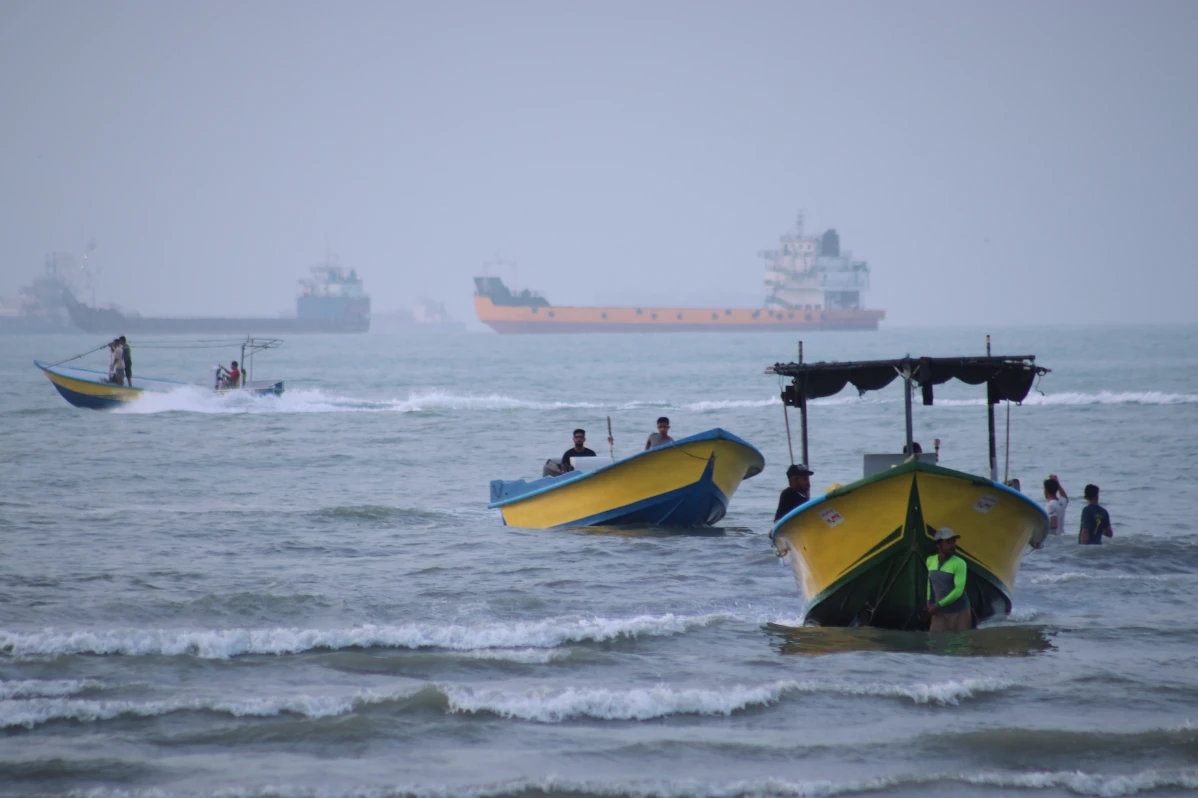
Regional mediators say they have made significant progress in efforts to revive negotiations aimed at ending the Iran war, raising hopes that a fragile pause in hostilities between the United States and Iran could evolve into a broader ceasefire. However, a series of drone attacks across the Middle East has underscored the volatility of the situation, highlighting the challenge of containing violence involving Iran-backed armed groups even as diplomatic momentum builds.


Officials familiar with the talks said Qatar and Pakistan are leading the latest mediation efforts, working to bridge differences between Washington and Tehran after nearly two weeks of intense military exchanges. According to regional officials, neither the United States nor Iran has carried out direct strikes against each other for the past three days, creating a window for diplomacy after a period that brought the region close to a wider war.
Despite the diplomatic progress, security tensions remain high. Saudi Arabia said it intercepted drones launched by Iran-backed militias operating in Iraq that were aimed at petroleum facilities. Meanwhile, Yemen’s Houthi movement claimed responsibility for attacks on Saudi oil infrastructure, while Jordanian authorities reported shooting down two unidentified drones. Separate drone strikes also targeted an Iranian Kurdish dissident group in Iraq, demonstrating that regional proxy conflicts continue even as formal negotiations advance.
The latest diplomatic push follows a U.S. decision to pause military operations against Iran after weeks of strikes targeting Iranian coastal facilities and infrastructure. The escalation had begun after Iran targeted vessels attempting to pass through the Strait of Hormuz, one of the world’s most important shipping routes for crude oil exports. The temporary suspension of attacks has allowed mediators to restart indirect discussions between the two sides.

Negotiators are also focusing on restoring normal commercial shipping through the Strait of Hormuz. Iranian and Omani officials are discussing proposals to guarantee safe navigation, although disagreements remain over Iran’s proposal to collect transit fees and play a greater role in managing security along the strategic waterway. Western governments have expressed concern that any disruption to Hormuz could threaten global energy supplies and push oil prices higher.

U.S. President Donald Trump has expressed cautious optimism about the negotiations while warning that military action remains an option if diplomacy fails. Trump said Iran is engaging in talks because of sustained military pressure but insisted that any agreement must be reached quickly. Iranian officials, however, continue to deny holding direct negotiations with Washington, saying communications are taking place only through intermediaries.

Diplomats say the current discussions could lead to a temporary ceasefire agreement that would include reopening the Strait of Hormuz, reducing military activity and creating conditions for broader political negotiations. However, major differences remain over sanctions relief, regional security arrangements and Iran’s future role in safeguarding maritime traffic.
Analysts caution that while the absence of direct U.S.-Iran strikes is encouraging, continued drone attacks by regional proxy groups demonstrate how quickly the conflict could escalate again. As mediators work to transform the current pause into a lasting settlement, governments across the Middle East remain on high alert, aware that a single major incident could derail the fragile diplomatic progress achieved so far.