
World News
Netanyahu’s First Meeting with Trump Since Iran War Began Offers Chance to Repair Strained Ties

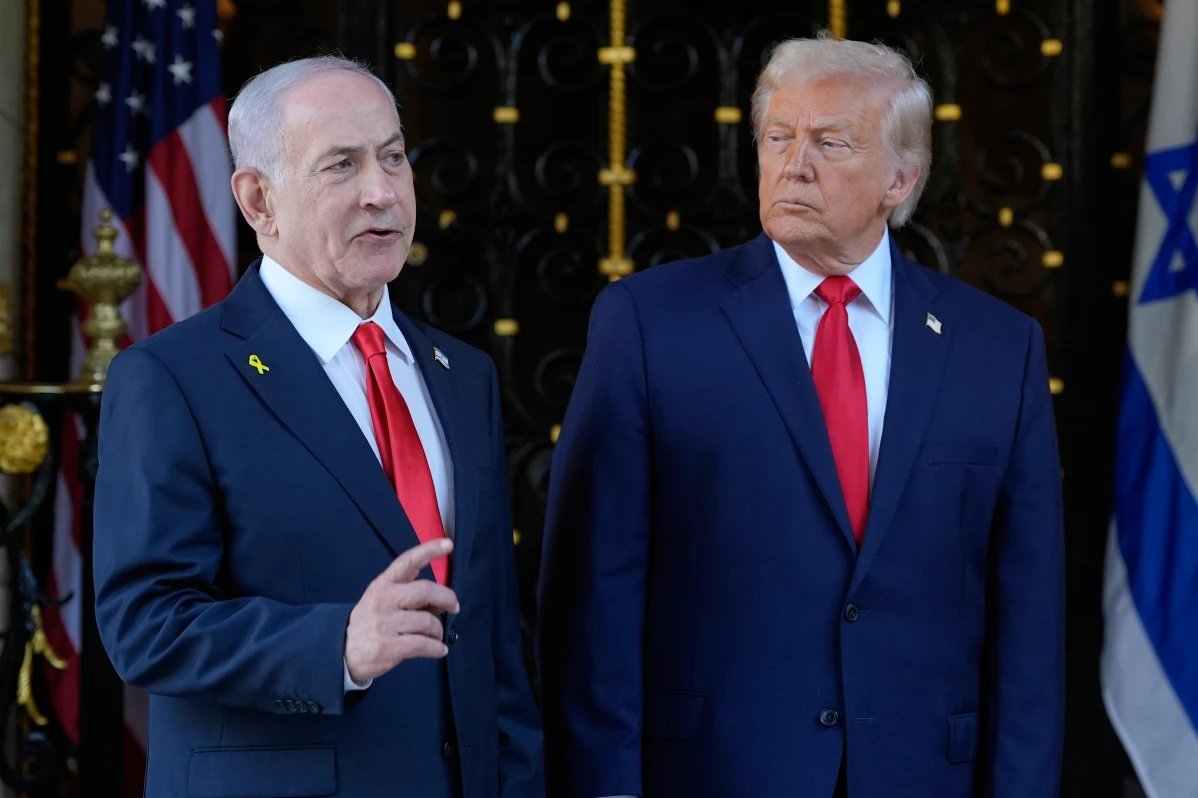
Israeli Prime Minister Benjamin Netanyahu is set to meet U.S. President Donald Trump at the White House in their first face-to-face talks since the outbreak of the Iran war, with both leaders seeking to navigate growing political and strategic differences that have emerged despite their close military cooperation. The high-stakes meeting comes at a time when both leaders are facing mounting domestic pressure and uncertainty over the next phase of the conflict in the Middle East.


The meeting follows months of close coordination between Washington and Jerusalem after the United States and Israel launched joint military operations against Iran earlier this year. Initially presenting a united front, the two governments have since diverged on how to proceed after Iran retaliated with missile and drone attacks on U.S. bases and commercial shipping, prompting the Trump administration to pursue renewed diplomatic efforts with Tehran while Israel has continued to advocate a tougher military approach.

Before departing for Washington, Netanyahu said Iran would be the central topic of discussion. He said both countries must act with “determination and wisdom” to safeguard Israel’s security while also seeking opportunities to expand regional peace agreements. According to Israeli officials, Netanyahu is expected to present fresh intelligence on Iran’s nuclear programme and argue for maintaining pressure on Tehran to prevent it from rebuilding its military capabilities.
Trump has acknowledged that he and Netanyahu have differences over Iran but sought to downplay the disagreements. Speaking to reporters, the U.S. president said the two leaders were “pretty close” on their overall objectives, even if they were not in complete agreement on every aspect of the strategy. His remarks suggest both sides are eager to project unity despite reports of strained relations in recent months.
Beyond Iran, the leaders are expected to discuss broader regional security issues, including implementation of the U.S.-brokered framework agreement between Israel and Lebanon following the conflict with Hezbollah. They are also expected to explore expanding the Abraham Accords, with the Trump administration continuing efforts to encourage additional Arab countries to establish formal diplomatic relations with Israel.

The meeting also carries significant domestic political implications. Netanyahu enters the talks facing an increasingly competitive election campaign at home, where critics have questioned his handling of both the Iran conflict and Israel’s relationship with Washington. Trump, meanwhile, is under pressure from American voters over the economic impact of the war, including higher energy prices and concerns about prolonged U.S. military involvement ahead of November’s congressional elections.
Analysts say the relationship between the two leaders has cooled in recent months as Trump’s priorities have shifted toward containing the conflict through diplomacy, while Netanyahu has continued to favour sustained military pressure on Iran and its regional allies. Despite these differences, both governments remain closely aligned on preventing Iran from acquiring nuclear weapons and maintaining strong security cooperation.
The White House meeting is therefore being viewed as a critical opportunity to restore momentum in one of the Middle East’s most important strategic partnerships. Observers say any signs of renewed unity could influence ongoing diplomatic efforts, military planning and broader regional stability as tensions with Iran continue to shape global security and energy markets.