
World News
Trump’s North Korea Pivot Forces Asian Allies to Rethink Reliance on Washington

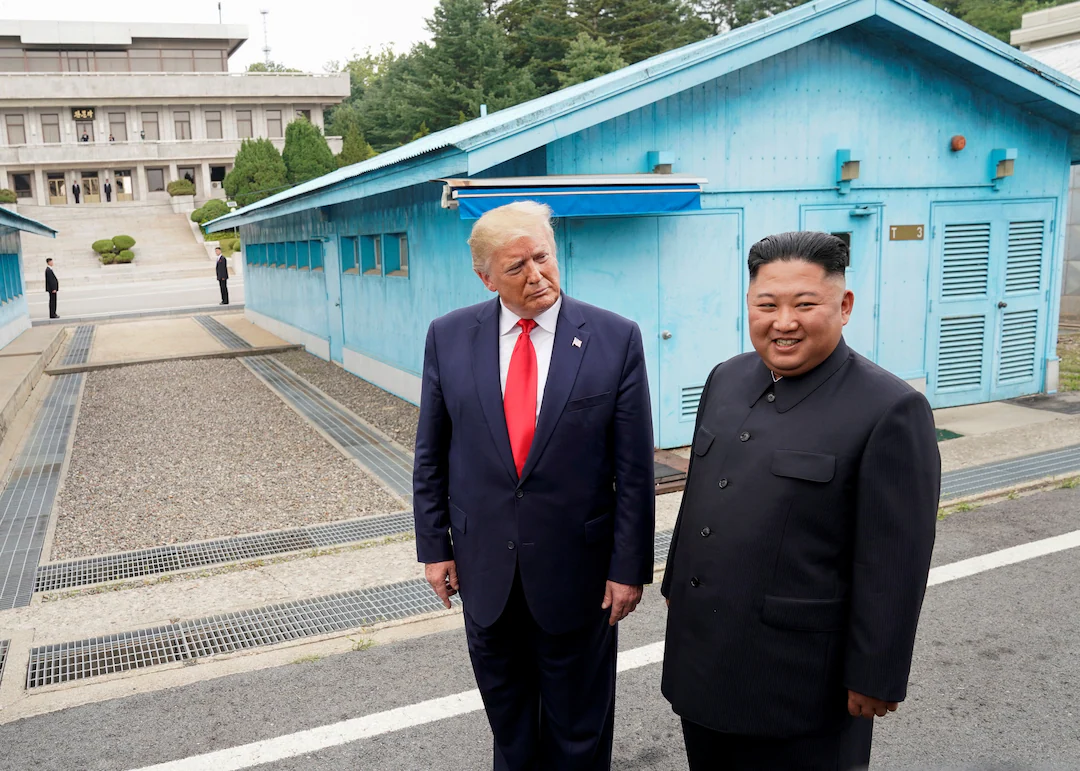
US President Donald Trump’s renewed outreach to North Korean leader Kim Jong Un is creating fresh uncertainty among Washington’s allies and strategic partners across Asia, with South Korea, Japan, Taiwan and India increasingly questioning how dependable the United States will be as a security partner.
The concerns intensified after Trump announced last week that the United States would substantially scale back joint military exercises with South Korea, describing the drills as hostile and unnecessary given his relationship with Kim.
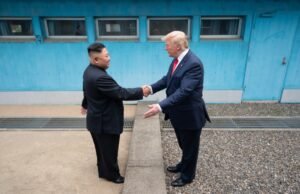
Trump has repeatedly highlighted his personal rapport with the North Korean leader and has expressed a desire to reopen direct engagement with Pyongyang. The latest move, however, has unsettled Seoul because the joint exercises are considered a key part of maintaining military readiness and deterring a potential North Korean attack.
The decision has also raised questions beyond the Korean Peninsula. Analysts and officials say other countries that depend on US security commitments are watching closely to determine whether Washington’s alliances remain predictable or could be altered abruptly by Trump’s transactional approach to foreign policy.
South Korea has sought to maintain its alliance with Washington while also leaving room for dialogue with Pyongyang.
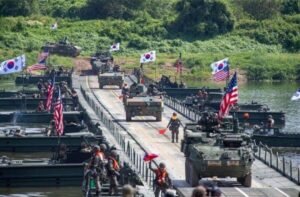
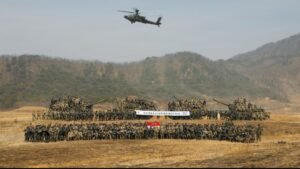
Trump’s decision to reduce the military drills came as the annual Ulchi Freedom Shield exercises were beginning. The exercises are designed to prepare US and South Korean forces for a possible conflict with North Korea.
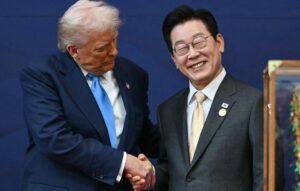
Trump has also criticised Seoul for declining to provide greater assistance to the United States in its conflict involving Iran and the Strait of Hormuz. His comments have added a new layer of tension to an alliance that has traditionally been built around the shared threat posed by North Korea.
South Korean officials have stressed that the drills are defensive and have expressed hope that Trump’s relationship with Kim could eventually contribute to renewed dialogue.
But the abrupt reduction in exercises has also prompted concerns in Seoul that weakening military readiness could undermine deterrence at a time when North Korea continues to expand its nuclear and missile capabilities.
Japan is also closely monitoring the development.
Tokyo has emphasised the importance of security cooperation between Japan, the United States and South Korea, particularly as regional tensions involving North Korea and China continue to grow.
Japanese officials fear that if Washington becomes more willing to adjust military commitments in response to negotiations with Pyongyang, Japan could eventually face similar pressure.
The concern is particularly significant as Tokyo enters difficult discussions with Washington over defence spending and burden-sharing.
India, although not a formal US treaty ally, is another important partner watching Washington’s moves.
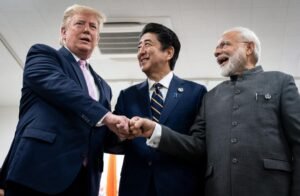
New Delhi has been developing closer strategic and defence ties with Washington, partly in response to China’s growing influence in the Indo-Pacific.
However, recent disagreements over trade and US policy toward Pakistan have already complicated the relationship. Trump’s approach toward North Korea adds another variable as India assesses how far it can depend on Washington’s strategic commitment to the region.
Taiwan is also watching the US-North Korea developments closely.
The island relies heavily on US support as it faces growing military pressure from China. Any perception that Washington could reduce security commitments to one Asian partner in pursuit of a diplomatic breakthrough with an adversary could influence calculations in Taipei.
China, meanwhile, is closely watching the situation as it expands its own military and diplomatic influence across the region.
The US also faces the challenge of balancing its relationship with Beijing while Trump prepares for a summit with Chinese President Xi Jinping.
Despite Trump’s confidence in his relationship with Kim, there is no clear indication that North Korea is prepared to return to the negotiating table on Washington’s terms.
Kim’s sister, Kim Yo Jong, recently cast doubt on Trump’s claims about secret communications between Washington and Pyongyang, while maintaining that North Korea still regards the United States as an adversary.
North Korea has also continued expanding its nuclear and missile capabilities and strengthening military ties with Russia.
That leaves Trump facing a difficult diplomatic calculation: opening the door to Kim could potentially reduce tensions on the Korean Peninsula, but concessions perceived as coming at the expense of South Korea could weaken confidence among Washington’s other partners.
The latest developments come at a pivotal moment for the US-led security architecture in the Indo-Pacific.
Japan, South Korea, Taiwan, India and other partners are increasingly weighing how much responsibility they should assume for their own defence if Washington’s priorities continue to shift.
For Trump, the outreach to Kim could represent an opportunity to revive diplomacy and reduce the threat posed by North Korea.
For America’s allies, however, the central question is whether a new deal with Pyongyang would strengthen regional stability, or come at the cost of the trust that has underpinned US alliances in Asia for decades.
The answer could have consequences far beyond the Korean Peninsula.