
World News
Trump Turns to Russia for Diesel as US Eases Pressure on Moscow Ahead of Midterms

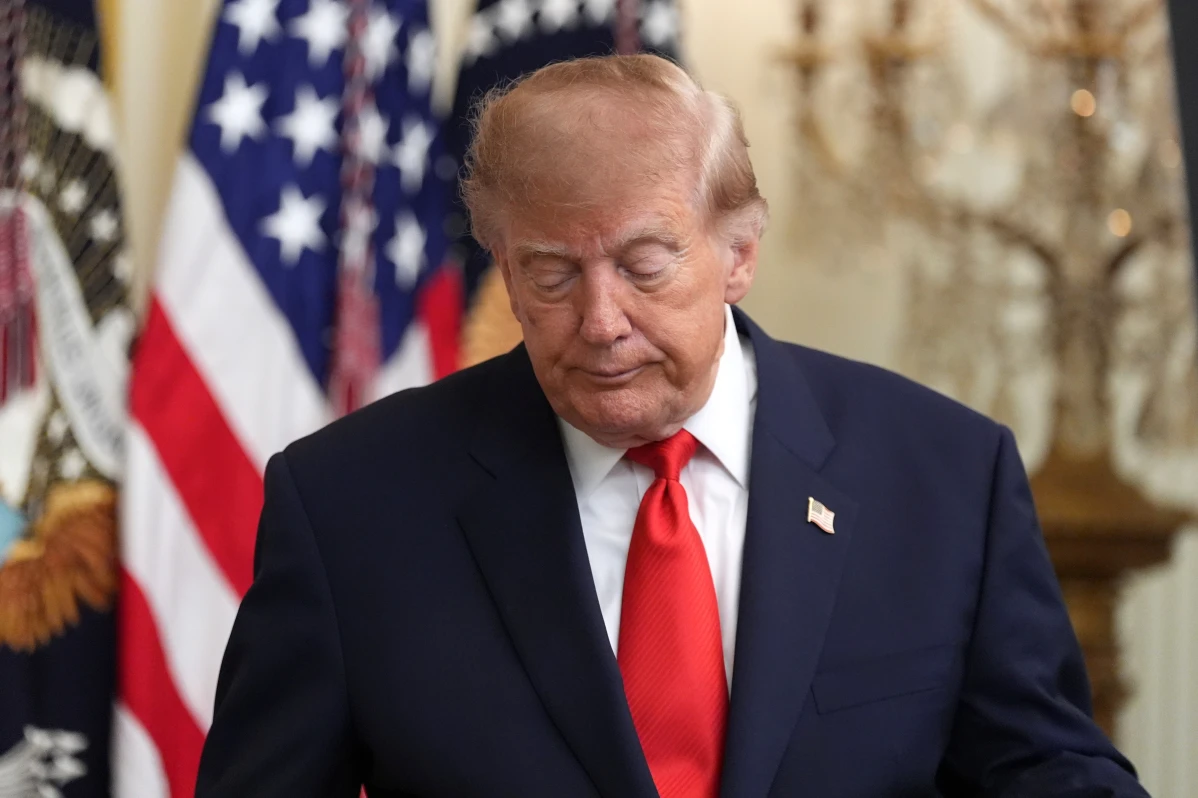
U.S. President Donald Trump has announced an agreement with Russian President Vladimir Putin for Russia to supply millions of tonnes of diesel to the global market, as Washington seeks to ease soaring fuel prices ahead of the November 3 midterm elections.
The announcement, made by Trump on Friday, October 9, 2026, marks a significant shift in U.S. energy policy towards Moscow amid the continuing war in Ukraine and a global fuel supply crisis linked to the conflict involving Iran.
Trump said Russia would immediately release more than 300,000 tonnes of diesel, followed by another 500,000 tonnes in November and one million tonnes thereafter. He also announced plans for a further three million tonnes to be supplied within a relatively short period, although a precise delivery schedule for the later shipments has not been provided.
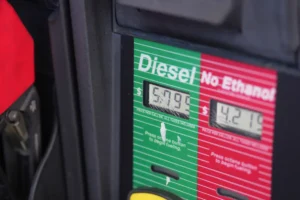
The U.S. Treasury Department subsequently announced a temporary general licence allowing Russian diesel shipments to reach the global market. The measure exempts qualifying deliveries of Russian diesel loaded onto tankers on or before October 9 from U.S. sanctions until April 2027, easing restrictions imposed as part of Washington’s response to Russia’s invasion of Ukraine.
The decision comes as American diesel prices have climbed sharply amid disruptions to global energy supplies associated with the war involving Iran. Reuters reported that the average U.S. retail diesel price reached $6.28 per gallon on Friday, an increase of about 70% since the conflict began. The high costs have placed additional pressure on farmers, trucking companies and other businesses that depend heavily on diesel fuel.
Trump defended the move as part of his effort to bring down energy costs for Americans, particularly farmers, ranchers and truckers. The administration has also pursued other measures, including temporary tax relief for certain diesel users and efforts to encourage additional energy supplies.

However, the proposed Russian supplies may not immediately translate into lower prices at American fuel stations. Analysts cited by Barron’s noted that the initial shipment represents only a small share of the market’s requirements, while the timing of subsequent deliveries remains uncertain. Although diesel futures declined following the announcement, retail prices remained elevated.
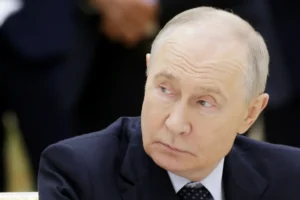
The agreement has also raised concerns over the implications for Ukraine. Ukrainian President Volodymyr Zelensky criticised the easing of restrictions, arguing that sanctions relief without a clear and lasting reduction in hostilities could benefit Moscow while the war continues.
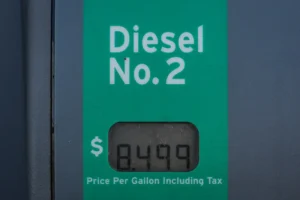
The move carries political significance as well. Americans are due to vote in congressional midterm elections on November 3, when control of both chambers of Congress will be contested. With fuel costs affecting households and businesses, the administration is under pressure to demonstrate that its policies can provide meaningful relief before voters go to the polls.
Despite Trump’s announcement, important details remain unresolved, including who will purchase the fuel, when the shipments will reach their destinations and how much the additional supply will ultimately reduce prices. The agreement therefore represents an attempt to ease the energy crunch, but its economic impact remains uncertain.