
World News
Britain warns Iran it will not tolerate hostile activity on UK soil

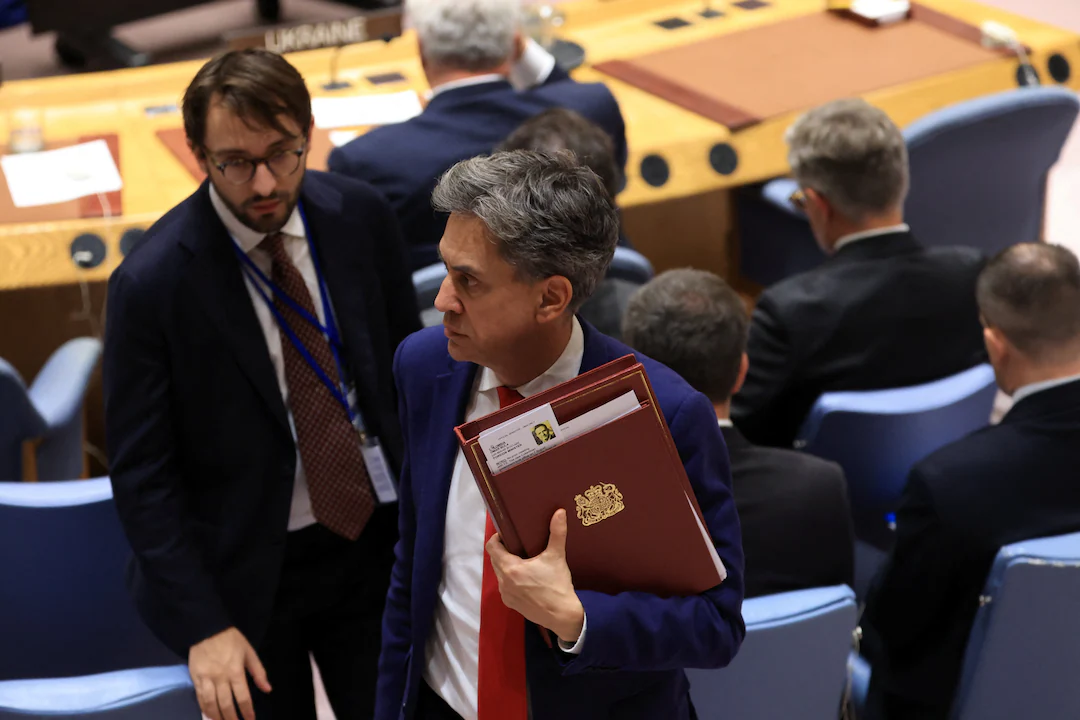
Britain has warned Iran that it will not tolerate intimidation, threats or other hostile activity carried out on British soil by groups linked to Tehran, as tensions between the two countries continue to rise.
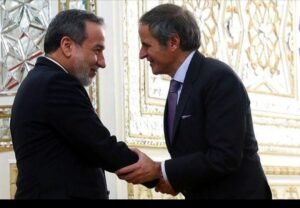
British Foreign Secretary Ed Miliband delivered the warning during a face-to-face meeting with Iranian Foreign Minister Abbas Araqchi on the sidelines of the United Nations General Assembly in New York on Thursday. The meeting focused on the wider Middle East conflict, the security situation and efforts to reopen the Strait of Hormuz.
According to the UK Foreign Office, Miliband stressed Britain’s “unwavering resolve” to combat threats from Iranian-linked groups operating in Britain, including attacks targeting the British Jewish community. He also told Araqchi that Tehran should pursue de-escalation and diplomacy rather than prolonging the conflict in the region.

The warning comes amid growing British concerns over Iranian state-linked activity inside the UK and overseas. Earlier this month, two people were arrested in London on suspicion of assisting Iran’s intelligence service. The Metropolitan Police said the suspects were arrested as part of an investigation into possible offences under the National Security Act 2023 and were later released on bail. Police said the investigation was not connected to attacks earlier in the year targeting locations associated with Jewish and Iranian communities.
Britain has also raised concerns about Iranian cyber operations. The UK’s National Cyber Security Centre said Iranian state-linked actors had used spyware known as CHOSEN BRICK to target dissidents, activists and journalists, seeking access to sensitive information including messages, contacts and screen activity.
The broader issue of Iranian activity on British territory has been under scrutiny for years. A June 2026 House of Commons Library briefing said UK authorities had identified a range of Iranian state threats, including espionage, cyber activity and physical threats against dissidents and other opponents. The briefing also cited an assessment that more than 20 potentially lethal Iran-backed plots had been tracked by British security agencies during the preceding year.
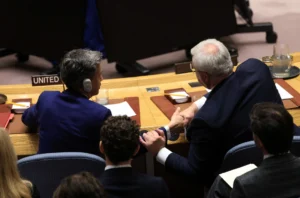
During his meeting with Araqchi, Miliband also stressed the importance of restoring freedom of navigation through the Strait of Hormuz, whose disruption has raised concerns over global security and economic stability.
The meeting took place as Britain seeks to balance pressure on Tehran with calls for diplomacy amid the continuing Middle East conflict. The British warning adds another dimension to the already strained relationship between London and Tehran.