
World News
Scientists Warn 2026 Could Become Hottest Year on Record as COP31 Climate Talks Begin


Scientists have warned that 2026 could surpass previous global temperature records, as world leaders and climate negotiators gather in Türkiye for the opening of the 31st United Nations Climate Change Conference (COP31).
Researchers at Berkeley Earth, an independent US climate research organisation, estimate there is a 95 per cent probability that 2026 will become the hottest year on record, overtaking the previous record set in 2024.
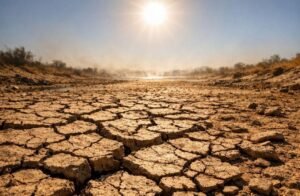
The warning comes as the effects of human-induced climate change combine with an intensifying El Niño weather phenomenon to push global temperatures higher.
According to the researchers, the unusually warm conditions recorded throughout the year, coupled with the developing El Niño, have increased the likelihood of another annual temperature record.
El Niño is a natural climate phenomenon involving the periodic warming of ocean surface temperatures in the central and eastern tropical Pacific. It can temporarily raise global temperatures by releasing heat from the ocean into the atmosphere.
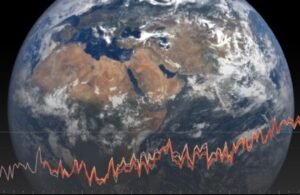
The World Meteorological Organization (WMO), however, has adopted a more cautious projection, saying 2026 is expected to rank among the four warmest years since modern records began.
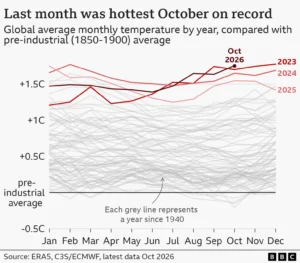
In its State of the Climate Update released on Monday, November 9, the organisation reported that global average temperatures between January and September were approximately 1.47 degrees Celsius above pre-industrial levels.
The WMO also warned that the developing El Niño could intensify further into December and continue influencing global temperatures and extreme weather conditions into 2027.

The organisation said the past 12 years have individually been the warmest on record, while 2023 to 2026 are currently the four warmest years.
The warning coincides with the opening of COP31 in Antalya, Türkiye, where representatives from nearly 200 countries are expected to spend two weeks discussing climate action, emissions reduction, renewable energy and financial support for countries vulnerable to climate change.
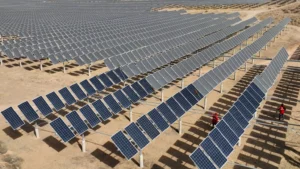
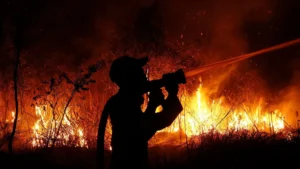
The conference is taking place against the backdrop of increasingly severe climate-related disasters, including heatwaves, wildfires, floods, droughts and melting glaciers.
Recent extreme weather events have demonstrated the growing human and economic costs of global warming, with vulnerable communities bearing a disproportionate share of the consequences.
UN Secretary-General António Guterres has called on governments to accelerate emissions reductions, strengthen the transition away from fossil fuels and provide financial assistance to countries facing the worst effects of climate change.
The climate negotiations are also expected to address the longstanding disagreement between developed and developing countries over funding for climate adaptation, disaster recovery and the transition to cleaner energy sources.
Developing nations have continued to demand greater financial commitments from wealthier countries, arguing that they face significant climate-related risks despite contributing comparatively less to historical greenhouse gas emissions.
The latest scientific warnings have therefore placed additional pressure on governments attending COP31 to move beyond previous commitments and deliver practical measures to slow global warming.
Scientists have cautioned that without substantial reductions in greenhouse gas emissions, rising temperatures and increasingly extreme weather conditions will continue threatening ecosystems, economies and human livelihoods.