
World News
Tehran Awaits Washington’s Reply as Trump Rejects Ceasefire Proposal, Report Says

Iran is awaiting an official response from the United States after The Wall Street Journal reported that President Donald Trump had rejected Tehran’s proposal for a seven-day ceasefire and a roadmap aimed at ending the ongoing conflict.
Iranian Foreign Minister Abbas Araghchi said Tehran had transmitted the proposal to Washington through Qatari mediators. Under the plan, the Strait of Hormuz would be reopened within seven days, while negotiations between Iran and the United States would resume.
The proposal would require Washington to lift its naval blockade of Iranian ports, waive sanctions on Iranian oil exports, release frozen Iranian funds and observe a ceasefire covering the wider region, including Lebanon and Yemen.
In return, Iran would reopen the strategically important Strait of Hormuz, a major route for global energy shipments that has remained heavily disrupted during the conflict.
“If there is seriousness on the US side to come to a deal and reopen the Strait of Hormuz, everything is now prepared,” Araghchi told reporters at the United Nations General Assembly in New York on Friday.
He said the seven-day timetable would begin once Washington accepted the proposal, with the strait expected to reopen on the sixth day and broader negotiations beginning on the seventh.
However, The Wall Street Journal, citing US officials, reported that Trump had rejected the proposal and remained privately sceptical that Tehran would meet his demands, particularly over Iran’s nuclear programme. The report also said Trump had told aides he expected US bombing of Iran to resume after the November midterm elections. Reuters said it could not independently confirm the Journal’s report.
The reported rejection comes despite indications from US officials that diplomatic discussions through mediators had been constructive. A US official previously described the discussions as “positive and constructive”, while Trump’s envoy, Steve Witkoff, held talks with Araghchi on the sidelines of the UN General Assembly earlier in the week.
Iran has maintained that it will not make concessions over what it describes as its sovereign rights, including uranium enrichmentA senior Iranian official told Reuters that Tehran would not agree to ship its highly enriched uranium out of the country even if Washington accepted the proposal to reopen the Strait of Hormuz.

The latest diplomatic effort follows an earlier agreement between Tehran and Washington in June that established a framework for negotiations. That arrangement later collapsed, leading to renewed fighting and further disruption around the Strait of Hormuz.
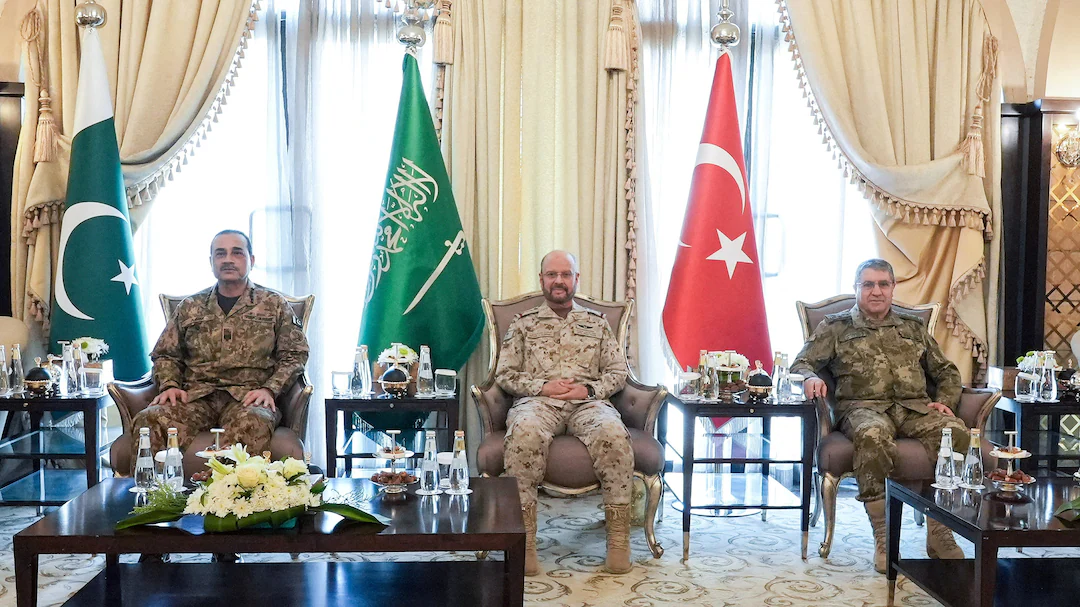
The conflict has also increased pressure on neighbouring Gulf countries, which depend heavily on secure shipping routes. Saudi Arabia, Turkey and Pakistan held military discussions in Riyadh on Friday as regional governments assessed the continuing security situation.
For now, Tehran is waiting for Washington to formally clarify its position on the seven-day proposal. The reported rejection by Trump, if maintained, could further complicate efforts to reopen the Strait of Hormuz and establish a broader diplomatic process.