
World News
Seoul Says Ukraine Violated Confidentiality Deal Over North Korean POWs

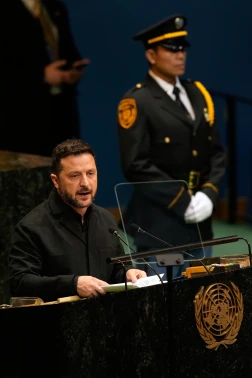
South Korea has demanded an official explanation and apology from Ukraine after President Volodymyr Zelenskyy publicly disclosed that two North Korean prisoners of war captured while fighting for Russia had been transferred to South Korea.
The dispute escalated on Monday after South Korea’s Foreign Ministry summoned Ukraine’s acting ambassador in Seoul, Andrii Vieshkin, to protest what it described as Kyiv’s unilateral disclosure of the sensitive transfer.
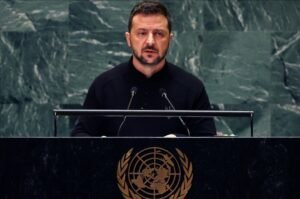
Zelenskyy revealed the transfer during his address to the United Nations General Assembly on September 23. He said Ukraine had recently sent the two North Korean soldiers to South Korea after they were captured while fighting alongside Russian forces.
The soldiers were captured in Russia’s Kursk region in January 2025 and were among North Korean troops deployed to support Russia’s war against Ukraine. South Korean and Ukrainian officials had subsequently held consultations over what should happen to the prisoners.

The two men had reportedly expressed a desire to resettle in South Korea rather than return to North Korea. South Korea treats North Koreans who reach its territory as citizens and has previously accepted tens of thousands of defectors from the North.
The immediate dispute, however, is over whether the transfer was supposed to remain confidential.
South Korean officials say Seoul and Kyiv had reached a clear understanding that the handover would not be publicly disclosed. Seoul says the arrangement was intended to protect the soldiers and their relatives in North Korea, while also taking account of diplomatic and security considerations.
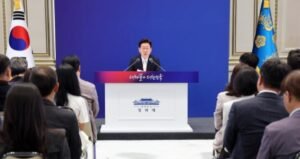
South Korean President Lee Jae Myung previously described the public disclosure as deeply regrettable, saying the issue was particularly sensitive because of its potential implications for diplomacy, national security and the situation on the Korean Peninsula.
Seoul subsequently objected not only to Zelenskyy’s announcement but also to statements from the Ukrainian side denying that a confidentiality agreement existed.
South Korea’s Foreign Ministry said First Vice Foreign Minister Park Yoon-joo conveyed Seoul’s “stern position” to Vieshkin and demanded an official explanation and apology. The Ukrainian envoy said he would report the South Korean government’s position to Kyiv.
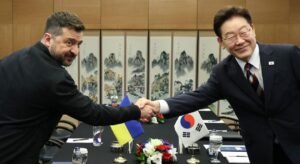
Ukraine has disputed Seoul’s characterization of the arrangement. Ukrainian officials have indicated that Kyiv understood there had been consultations about the transfer but did not accept that a formal non-disclosure agreement prevented it from publicly acknowledging the move.
The controversy has put an unusual strain on relations between Kyiv and Seoul at a time when South Korea has provided humanitarian and reconstruction assistance to Ukraine but has maintained a policy against supplying lethal weapons to the country.
The issue also has implications beyond the two governments because of North Korea’s growing military relationship with Russia. Ukraine and South Korea have estimated that thousands of North Korean troops have been deployed to support Russian forces since 2024.
The two captured soldiers are particularly significant because North Korean military personnel are rarely known to have been captured alive while serving outside the country. Their transfer to South Korea followed months of discussions over their wishes and the humanitarian and legal considerations surrounding their future.
The issue had already been discussed by Lee and Zelenskyy during their meeting at the NATO summit in Ankara in July. At that time, the two sides agreed to address the prisoners’ status in accordance with international law and humanitarian principles while respecting their wishes.
The dispute now centers on whether Kyiv breached the understanding Seoul says existed and whether the public disclosure could expose the former soldiers or their relatives in North Korea to additional risks.
For now, Seoul has asked Ukraine to explain the circumstances surrounding the disclosure and formally apologize. Ukraine’s response to those demands is expected to determine whether the disagreement remains a diplomatic dispute or develops into a broader strain in relations between the two countries.