
World News
China’s Oil Reserves Help Prevent Worse Price Surge Amid Iran War

Global oil prices remain elevated amid the prolonged conflict involving the United States and Iran and disruptions around the Strait of Hormuz, but the market has so far avoided some of the extreme price spikes initially feared by analysts.


A major factor has been China’s decision to draw on its huge oil reserves and reduce crude imports, helping to ease pressure on global demand and limit the upward impact of supply disruptions.
When the conflict began in February, energy analysts warned that crude prices could potentially more than double if the fighting continued and supplies through the Strait of Hormuz were severely disrupted. Six months into the conflict, Brent crude is hovering around $100 a barrel, after briefly reaching about $126 in late April.
China, the world’s second-largest oil consumer and Iran’s biggest crude buyer, has built one of the world’s largest strategic petroleum stockpiles. US Energy Information Administration estimates put China’s reserves at about 1.4 billion barrels at the end of 2025.
Beijing has been using those reserves to cushion the impact of disruptions to international supplies. China also sharply reduced its crude imports after the US and Israel began their bombardment and Iran effectively closed the Strait of Hormuz.
US data cited by the Associated Press showed China’s crude imports averaged about 8.1 million barrels per day in the second quarter, almost 4 million barrels per day, or 32 per cent, below the level recorded during the first three months of the year.
The reduction in Chinese purchases has helped ease pressure on the global market at a time when the closure of the Strait of Hormuz has threatened one of the world’s most important oil shipping routes.
Energy analysts cited by AP said China’s use of its reserves has had a significant effect on moderating the oil-price shock.
However, the situation remains fragile. Attacks by Iran-backed militants have disrupted regional energy infrastructure, while Houthi activity in the Red Sea has created additional risks for shipping.
Analysts at Bank of America recently projected oil at about $83 a barrel for the second half of the year, assuming shipping through Hormuz gradually resumes. They warned that a prolonged escalation could push prices to between $95 and $120 a barrel, while major damage to energy infrastructure could trigger spikes as high as $150.
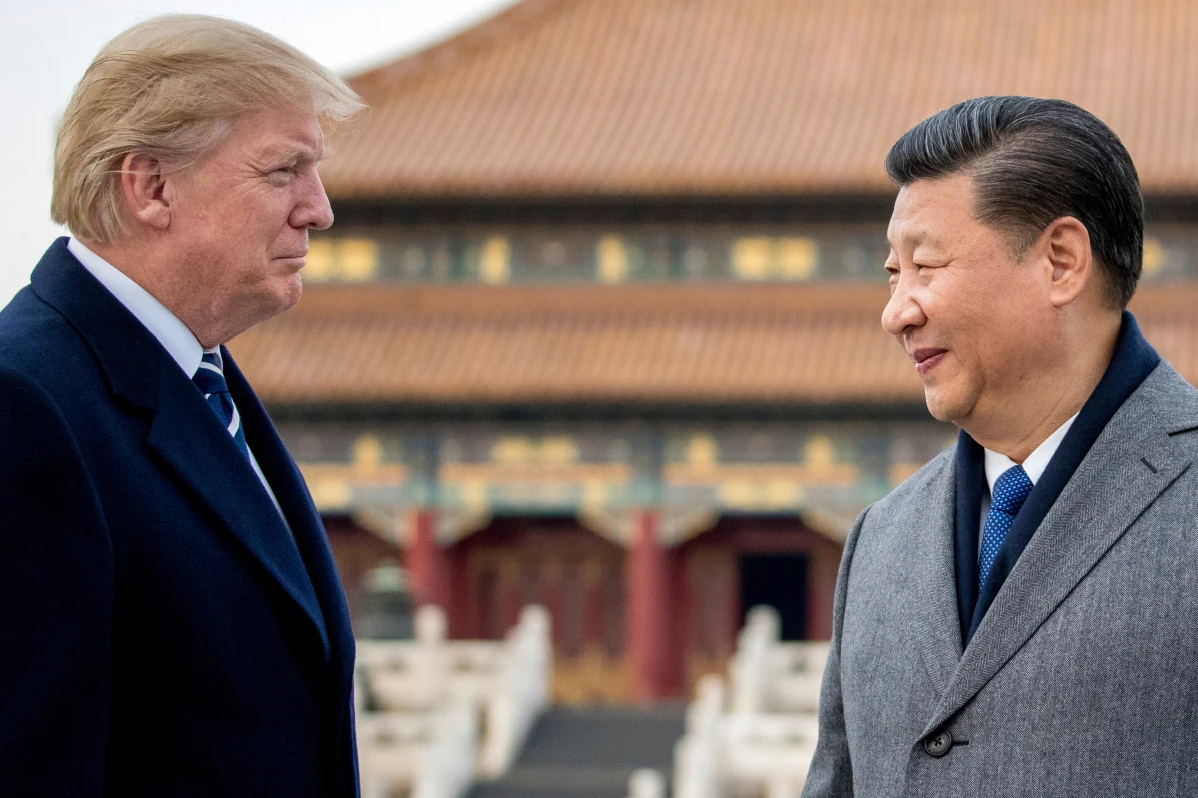
China’s role has also added another dimension to the upcoming meeting between US President Donald Trump and Chinese President Xi Jinping in Washington.
The two leaders are expected to discuss the Iran conflict and its economic consequences. Washington has repeatedly urged Beijing to use its influence to pressure Tehran and support efforts to reopen the Strait of Hormuz.
China, however, has opposed the US military campaign against Iran and resisted some of Washington’s calls for additional economic pressure on countries and companies maintaining commercial relations with Tehran.
Beijing’s massive oil reserves were accumulated as part of a broader strategy to reduce China’s vulnerability to external energy shocks. Analysts say the policy was motivated by concerns about potential future conflicts and supply disruptions rather than the current Iran war alone.
The strategy has nevertheless provided China with a buffer during the present crisis and, indirectly, helped prevent an even sharper rise in global oil prices.
The White House has not indicated whether Trump credits China’s actions for helping contain oil prices. But energy analysts cited by AP say Beijing’s decision to draw on its reserves and reduce imports has been one of the most significant factors limiting the market’s response to the conflict.
With the Strait of Hormuz still under pressure and regional tensions unresolved, however, the global oil market remains vulnerable to further supply disruptions.