
World News
U.S. Hits Dozens of Countries With New Wave of Tariffs, Escalating Global Trade Tensions

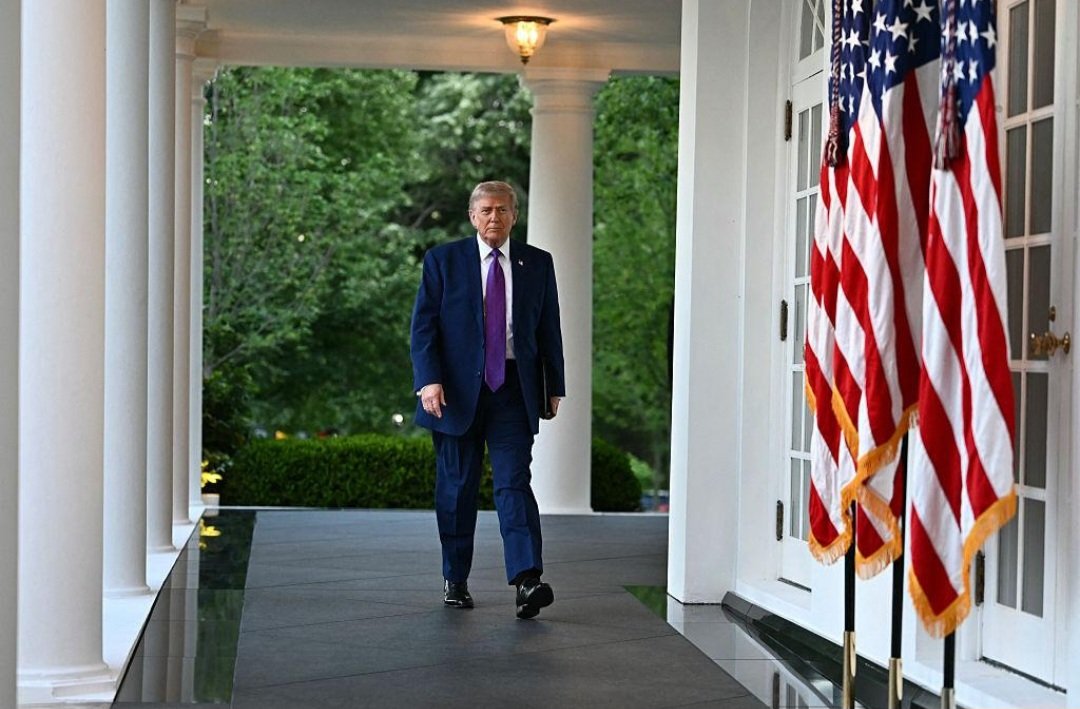
The United States has imposed a fresh wave of tariffs on imports from 60 trading partners, including the European Union, China, Japan, South Korea, Taiwan, and Switzerland, in a move the Trump administration says is aimed at tackling forced labour in global supply chains. The new measures replace a temporary global tariff that expired this week and represent one of the administration’s most significant trade actions since returning to office.
The tariffs, ranging from 10% to 12.5%, were introduced under Section 301 of the U.S. Trade Act of 1974, following a months-long investigation by the Office of the U.S. Trade Representative (USTR). The administration argues that many trading partners have failed to adequately prohibit or enforce bans on imports produced with forced labour, creating unfair competition for U.S. businesses and workers.
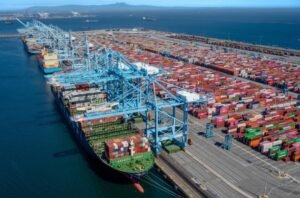
According to the USTR, countries that already have comprehensive forced labour import restrictions or have committed to introducing them through trade agreements, will face the lower 10% tariff. These include Canada, Mexico, the United Kingdom, India, Malaysia, Pakistan, Bangladesh, Indonesia and several others. Most of the remaining economies, including China, will face the higher 12.5% rate, while some jurisdictions, such as the European Union, will have product-specific tariffs depending on the goods involved.
The White House said the duties apply to roughly 99% of U.S. imports, although a wide range of products; including oil, natural gas, fertilisers, certain food products, aircraft components and critical minerals have been exempted to reduce disruptions to key supply chains and essential industries.
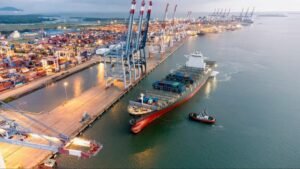
U.S. Trade Representative Jamieson Greer said the action was intended to strengthen global labour standards as well as protect American workers. He argued that while the United States has long prohibited imports made with forced labour, many of its trading partners have failed to implement comparable enforcement measures.
The announcement has drawn swift criticism from governments around the world. Officials in China, Brazil, and several other affected countries rejected the U.S. justification, arguing that the tariffs are politically motivated and inconsistent with international trade rules. European officials also questioned the legal basis for the measures, although some acknowledged that existing trade agreements with Washington softened the impact on certain exports.
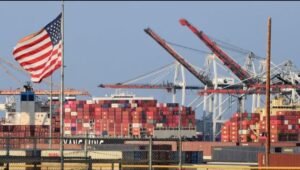
Trade experts say the latest measures are also designed to withstand legal scrutiny after the U.S. Supreme Court earlier this year struck down a previous round of broad “reciprocal tariffs” imposed under emergency powers. By relying on Section 301 which requires formal investigations and public consultations,the administration hopes the new tariffs will prove more resilient against future court challenges.
Economists remain divided over the likely impact. Supporters argue the tariffs could encourage stronger labour protections and reduce reliance on supply chains linked to forced labour. Critics, however, warn that importers are likely to pass higher costs on to consumers, potentially increasing prices for businesses and households while inviting retaliatory trade measures from affected countries.
The latest announcement signals that trade policy remains a central pillar of President Donald Trump’s economic agenda. With additional investigations already underway into sectors such as pharmaceuticals and industrial overcapacity, analysts say further tariffs could follow in the months ahead, raising the prospect of renewed global trade tensions.