
World News
Trump Administration Unveils Fresh Global Tariffs, Citing Forced Labour in Supply Chains

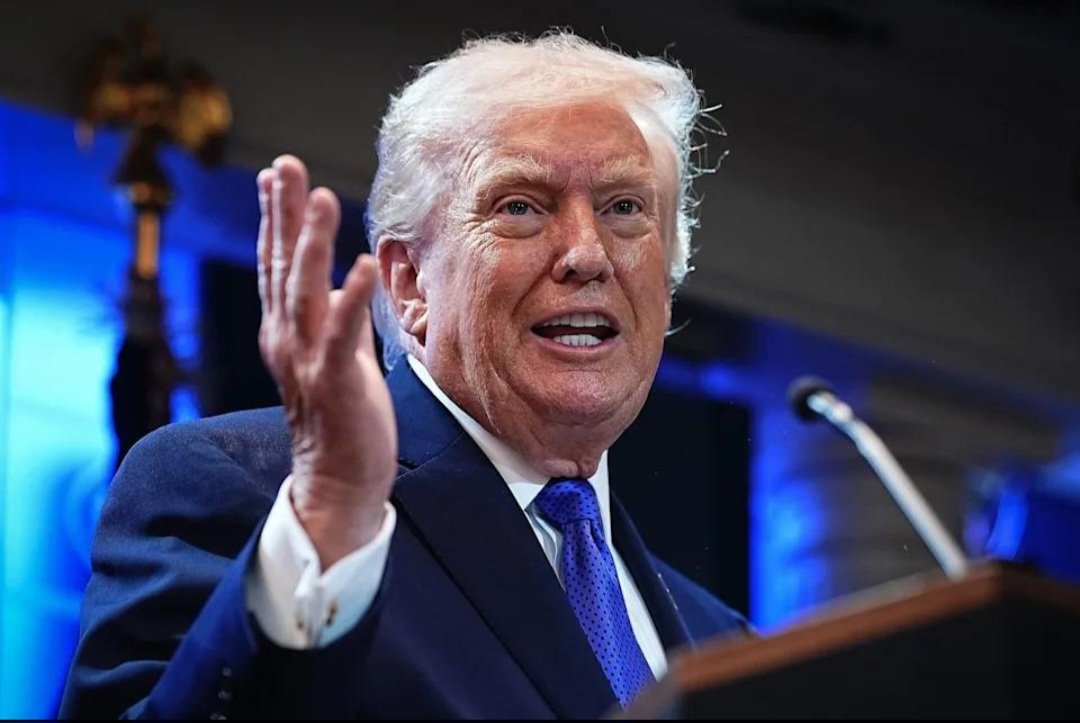
The United States has announced sweeping new tariffs on imports from 60 major trading partners, saying the measures are intended to pressure foreign governments to strengthen efforts against forced labour in global supply chains. The move marks one of the most significant trade actions of President Donald Trump’s second term and is expected to have wide-ranging implications for international commerce.
The tariffs, which range from 10% to 12.5%, replace a temporary 10% global tariff that expired this week after earlier trade measures faced legal challenges. The White House said the new duties were imposed under Section 301 of the U.S. Trade Act of 1974, a law that allows Washington to respond to foreign practices deemed harmful to U.S. commerce.
According to the Office of the U.S. Trade Representative (USTR), the investigation concluded that the targeted economies had failed to adequately prohibit or enforce bans on imports produced with forced labour. Officials argued that these shortcomings distort international trade while allowing products made under exploitative conditions to enter global markets.
Countries that have introduced or pledged to strengthen restrictions on forced labour imports; including Canada, Mexico, India, Pakistan, Bangladesh, Malaysia, Indonesia and the United Kingdom, will face the lower 10% tariff. Nations that have not adopted comparable measures will generally be subject to the higher 12.5% rate. The European Union, China, Japan, South Korea, Taiwan and Switzerland will face product-specific tariffs depending on the goods involved.
The administration said the new policy covers about 99% of U.S. imports from the affected economies but includes exemptions for several categories, including certain energy products, fertilizers, food items, and goods already subject to other trade measures such as steel and aluminum tariffs. Officials said the exemptions were designed to avoid major disruptions to critical supply chains and domestic industries.
U.S. Trade Representative Jamieson Greer defended the decision, saying the United States has enforced bans on forced-labour imports for decades and expects its trading partners to uphold similar standards. The administration argues the tariffs are intended to combat modern slavery while creating fairer conditions for American workers and businesses.
The announcement has drawn mixed reactions internationally. Several governments, including members of the European Union and other major trading partners, questioned the justification for the tariffs and warned they could strain global trade relations. Some trade analysts also cautioned that importers may pass the added costs on to consumers through higher prices, potentially adding inflationary pressure.
Legal experts note that by relying on Section 301 rather than the emergency powers used for previous tariffs, the administration is seeking to make the measures more resilient against court challenges after earlier tariff policies were struck down by the U.S. Supreme Court.
The latest tariffs add another chapter to an increasingly confrontational U.S. trade agenda, with the White House indicating it will continue using trade policy to pursue both economic and human rights objectives. Economists will now be watching closely to see whether affected countries negotiate with Washington, strengthen labour protections, or respond with retaliatory measures of their own.