
World News
Iran Says Negotiations Only Way to End Conflict After Trump Rejects Hormuz Proposal

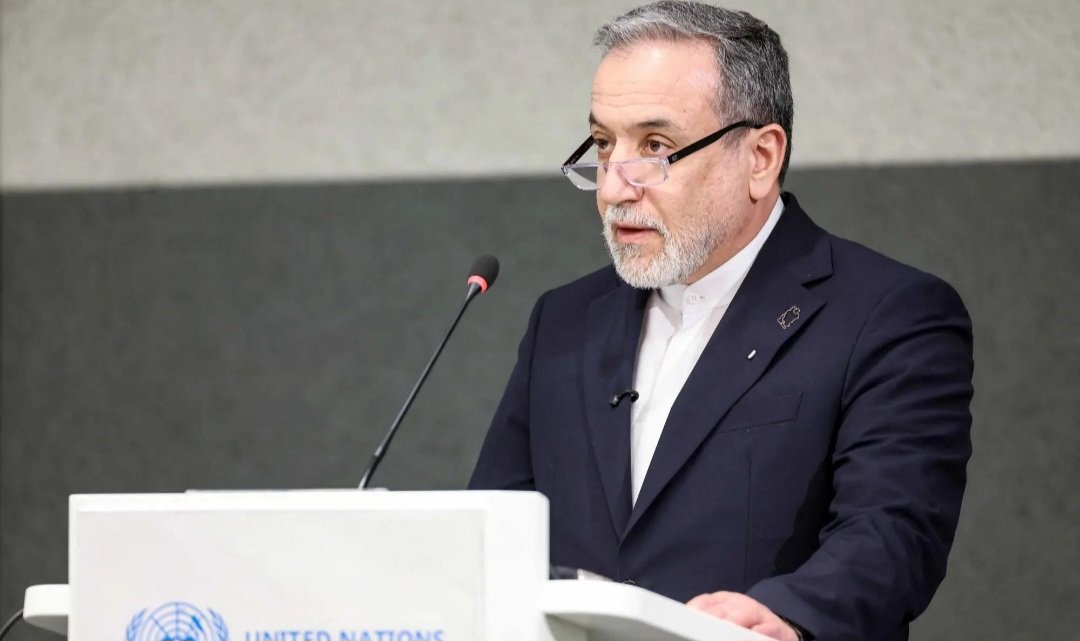
Iran has insisted that diplomacy remains the only route to resolving its conflict with the United States and Israel, after US President Donald Trump rejected Tehran’s proposal to reopen the strategically important Strait of Hormuz and move towards ending the fighting.
Iranian Foreign Minister Abbas Araghchi said on Sunday that Tehran was still waiting for the proposal to be formally rejected or accepted through mediators, despite Trump publicly saying he had turned it down. Araghchi said Iran had seen the US president’s initial reaction but had not yet received Washington’s definitive position through the mediators facilitating contacts between the two sides.
“Our conditions are clear,” Araghchi said, adding that any move to reopen the Strait of Hormuz would depend on those conditions being met. He maintained that Iran had not closed the door to negotiations and that a negotiated settlement was necessary to break the current deadlock.
Tehran presented its seven-day proposal during the United Nations General Assembly in New York. Under the plan, Iran would reopen the Strait of Hormuz within seven days after Washington agreed to its conditions, while negotiations on wider issues, including Iran’s nuclear programme, would resume.
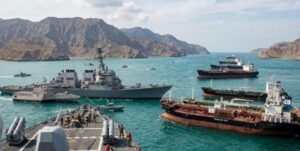
The proposal reportedly calls for the United States to lift its naval blockade of Iranian ports, waive sanctions on Iranian oil sales and observe a ceasefire covering the wider region, including Lebanon. Iran has also said the arrangement would require implementation of conditions contained in an earlier agreement that collapsed.
Trump, however, said on Saturday that he had rejected the proposal. He argued that Tehran was seeking an immediate agreement to reopen the waterway because it was under severe pressure.
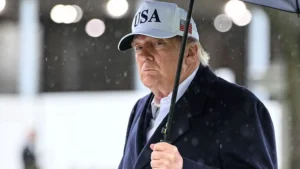
Despite Trump’s public rejection, Tehran says the diplomatic channel remains open. Araghchi said Iran would wait for the mediators to convey Washington’s formal position before deciding its next step.
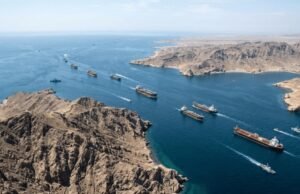
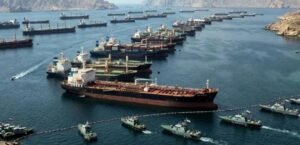
The Strait of Hormuz has become a central point in the conflict because of its importance to international energy and maritime trade. The confrontation has sharply reduced shipping through the waterway and disrupted oil flows, adding pressure to an already strained global economy.
The dispute also comes amid wider disagreements over Iran’s nuclear programme. Tehran has indicated that it is prepared to discuss the programme but has rejected what it describes as coercion, while Washington has maintained that Iran must not acquire a nuclear weapon.
For now, the two sides remain divided over the conditions and sequence for ending the conflict, while diplomatic contacts through mediators continue.