
World News
Iran to Block ‘Illegal Routes’ Through Strait of Hormuz, Revolutionary Guards Adviser Says

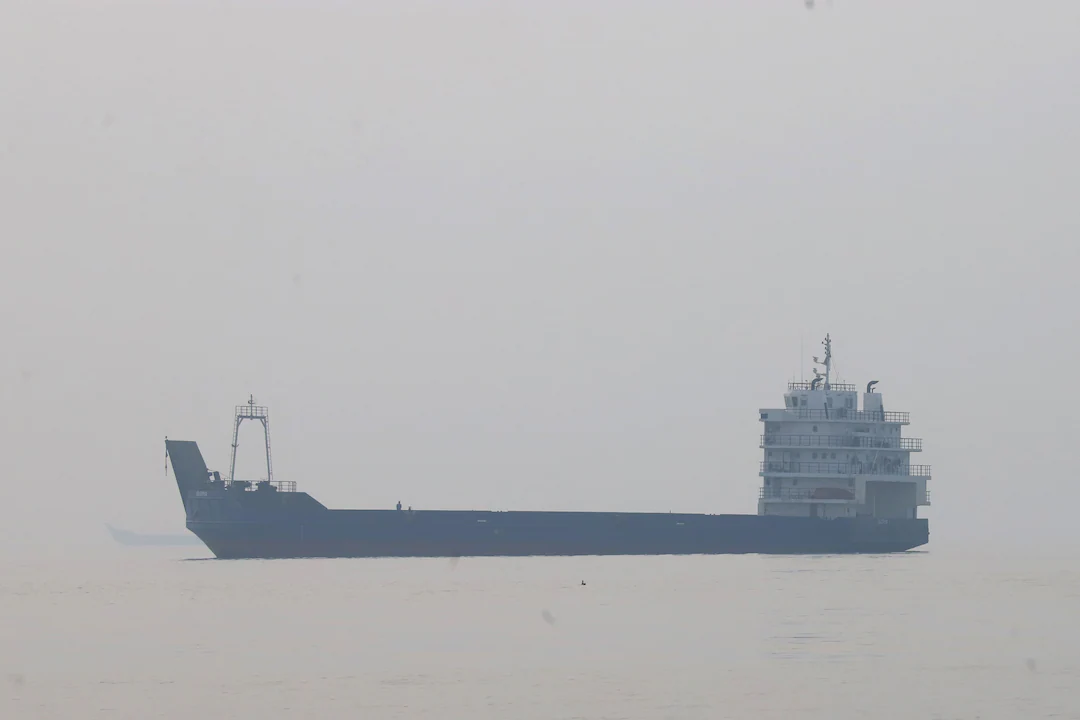
Iran plans to close several transit routes through the Strait of Hormuz that it considers illegal, an adviser to the commander of the Islamic Revolutionary Guard Corps (IRGC) has said.
Mohammadreza Naqdi made the statement to Iran’s semi-official Fars News Agency on Wednesday, referring to a southern pathway running close to Oman’s coast. He said the routes had been created by damaging or blasting through rocky passages in the strategic waterway.
According to Naqdi, the routes are being used by small boats to smuggle oil and transfer it to larger tankers. He said the routes would soon be closed, without giving a specific date or explaining how the closure would be enforced.
Naqdi also maintained that the Strait of Hormuz remains closed and that Iran’s armed forces have full control of the waterway. He said the situation would continue until Tehran’s demands are met.
The comments come amid continued uncertainty over shipping through one of the world’s most important energy corridors. The strait connects the Persian Gulf with the Gulf of Oman and is a major route for oil and gas exports from Gulf producers.
Despite Iran’s claim that the waterway remains closed, oil flows through the wider region have increased in recent weeks. Provisional Kpler data cited by Reuters showed that the seven-day average for regional crude exports stood at 18.3 million barrels per day on September 30, with volumes exceeding pre-war levels on 14 days during September. Those figures included oil transported through the Strait of Hormuz, the Red Sea and other routes.
Iranian officials have disputed suggestions that increased flows through the strait represent a return to normal shipping. Another IRGC adviser, Majid Mirahmadi, said an average of about 10 ships were currently passing through the waterway each day, compared with about 125 before the war began on February 28.
The latest warning comes against a backdrop of continuing attacks and security incidents involving commercial vessels. Reuters reported that at least 12 incidents involving oil, liquefied natural gas and liquefied petroleum gas tankers were recorded between September 28 and October 5, including attacks, drone surveillance and harassment attributed to Iranian forces.
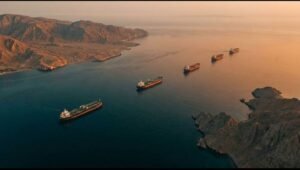
The International Maritime Organization has warned that the disruption around Hormuz has left thousands of seafarers facing heightened risks. The organisation said in August that up to 400 ships carrying about 6,000 seafarers had been unable to safely leave the Persian Gulf since the conflict began, while calling for the restoration of unhindered navigation through the strait.
The Strait of Hormuz has consequently remained a major source of concern for global energy markets and the shipping industry, with any further restrictions potentially affecting the movement of crude oil, fuel and other commodities.
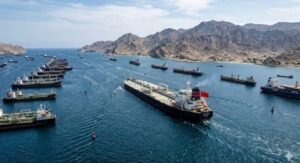
For now, the latest announcement concerns specific routes that Iranian authorities describe as illegal; it does not by itself establish that Iran is announcing a complete new closure of the entire Strait of Hormuz.