
World News
Trump Says US Will Refill Strategic Oil Reserve ‘For Nothing’ Using Venezuelan Oil

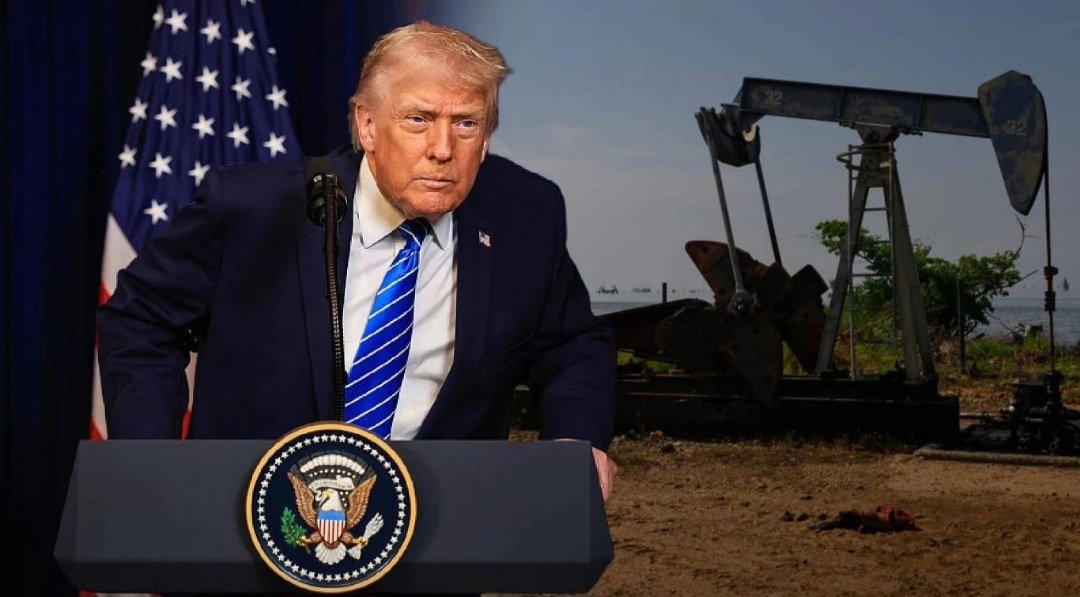
US President Donald Trump has said the United States will soon replenish its Strategic Petroleum Reserve “for nothing,” linking the plan to oil resources secured through his administration’s recently announced arrangement with Venezuela.
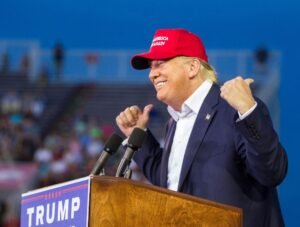
Trump made the comment on Friday, October 2, during a campaign rally in Mobile, Alabama, where he discussed energy prices, Venezuela and the depleted state of the US emergency oil stockpile.
“We’re going to be filling up very shortly our strategic reserves, for nothing,” Trump said at the rally, according to Reuters. He did not provide details on how much oil would be added, when the process would begin or precisely how the Venezuelan oil would be used.
Trump has previously said oil obtained through the Venezuela arrangement would be used to replenish the Strategic Petroleum Reserve. In August, he described Venezuelan oil as a “Gift from Venezuela to the People of the United States” and said the “topping out” process would begin shortly.
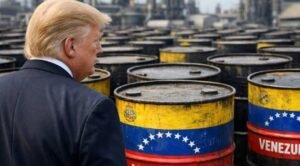
The comments come as the US reserve has fallen to historically low levels following large releases aimed at addressing global oil supply disruptions and high fuel prices. The US Department of Energy said on September 29 that the SPR contained less than 284 million barrels and announced plans to make up to 40 million barrels available to energy companies through crude-oil exchanges.
Under the latest Energy Department arrangement, companies receiving crude from the reserve would return the oil later with additional barrels as a premium. The department said the exchanges would increase the reserve over the longer term while avoiding a direct cost to taxpayers. Deliveries from earlier exchanges are scheduled for November and December.
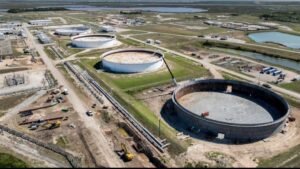
Trump’s separate Venezuela plan involves a US partnership with North American Blue Energy Partners, or NABEP, to develop Venezuelan oil fields. The White House says the arrangement gives the US government significant governance and economic rights and access to Venezuelan crude at low cost. It says the agreement covers more than 65 billion barrels of proven Venezuelan reserves.
The White House has said the arrangement will allow the United States to obtain a share of Venezuelan production and strengthen American energy supplies without taxpayer funding. The administration has also argued that increased Venezuelan production could eventually put downward pressure on fuel prices.
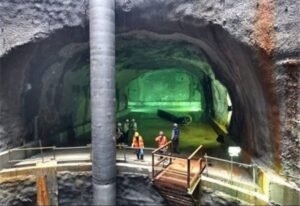
However, the ability to use Venezuelan crude to quickly replenish the Strategic Petroleum Reserve faces technical and logistical questions. Much of Venezuela’s crude is considerably heavier than the oil typically held in the US reserve. Energy specialists cited by CBS News said the heavier crude does not readily match the specifications of much of the SPR inventory and could require blending or other processing before it could be stored in the underground caverns.
There are also questions over how quickly Venezuela’s oil production can increase. The country’s petroleum infrastructure has suffered years of underinvestment, and analysts have said significant investment and rehabilitation would be required before production could rise substantially. Reuters reported in August that the timeline for Venezuelan oil to begin providing a meaningful contribution to the SPR remained uncertain.
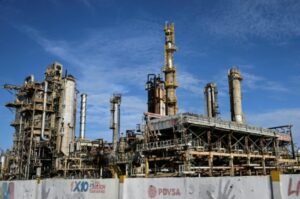
The administration’s broader Venezuela oil agreement has also attracted scrutiny over its legal and economic structure. The Associated Press reported that the White House’s plan involves a newly formed partnership with NABEP and that analysts have warned it could take years to revive Venezuela’s oil industry.
Meanwhile, the US is continuing efforts to manage immediate pressure on global energy markets. Washington has been participating in coordinated releases of emergency oil reserves, while the Group of Seven recently agreed to release additional crude and diesel stocks. The International Energy Agency’s executive director, Fatih Birol, said on Friday that oil prices had begun to fall following the G7 announcement.
Trump’s latest pledge therefore comes against two separate developments: the immediate use of emergency reserves to address supply disruptions and his longer-term plan to increase access to Venezuelan crude.
For now, the president has not provided a detailed timetable for the proposed Venezuelan-oil contribution to the Strategic Petroleum Reserve. The practical question will be how quickly Venezuela can increase production and whether its heavy crude can be incorporated into, or exchanged for oil suitable for, the US emergency stockpile.