
World News
Iran Suspends 10% Freight Charge on Foreign Vessels Carrying Energy Products

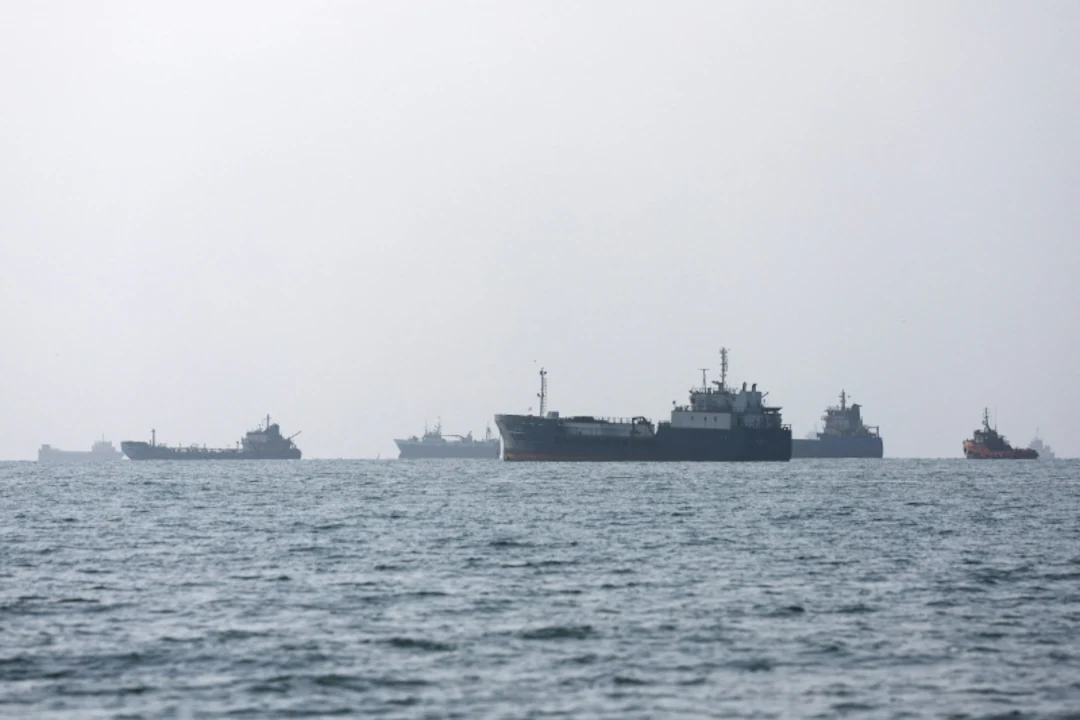
Iran has temporarily suspended a 10% freight charge imposed on foreign vessels carrying oil, gas and liquid petroleum products to or from the country, in a move aimed at easing pressure on its energy trade amid severe disruption to maritime shipping.


The suspension was reported by Iran’s semi-official Fars news agency on Thursday and comes as a U.S. naval blockade has sharply restricted Iran’s ability to export oil by sea.
The charge had increased transportation costs for foreign shipping companies moving energy products to and from Iranian ports. Iranian authorities now hope that removing the levy will make such voyages more financially attractive and encourage foreign vessels to resume or increase operations.
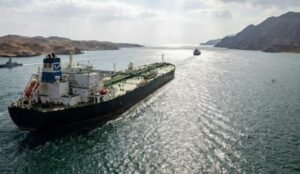
The temporary suspension was ordered by Iran’s presidential legal deputy, according to Fars, while the government works on approving the measure and publishing a definitive list of energy products covered by the charge.
The 10% levy applied to freight fees for foreign vessels transporting imported or exported oil, gas and liquid petroleum products.
The decision represents an effort by Tehran to reduce the additional costs faced by international shipping companies at a time when security risks and restrictions around Iranian waters have already made maritime energy transportation considerably more difficult.
The announcement comes against the backdrop of an unprecedented disruption to shipping through the Strait of Hormuz, one of the world’s most important energy corridors.
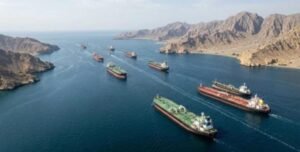
Reuters reported that only four commodity vessels crossed the waterway on September 3, far below the 10-day average of 15 vessels, according to Kpler data. The figures exclude ships operating with their automatic identification systems switched off.
Before the current conflict, roughly 125 commercial vessels passed through the Strait of Hormuz each day.
The waterway is particularly important to global energy markets because it connects the Persian Gulf with the Gulf of Oman and provides a major route for oil and liquefied natural gas exports from Gulf producers.
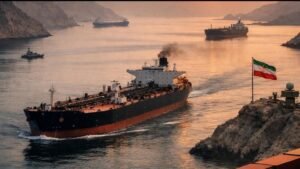
Iran’s latest decision also comes as the United States maintains a naval blockade targeting Iranian oil shipments.
The blockade has significantly reduced Iran’s ability to move crude oil by sea, while U.S. military action against Iranian tankers has heightened risks for vessels operating in the region.
Reuters reported that the disruption has also affected broader Gulf oil flows, with oil exports from the region running substantially below levels seen before the war.
The shipping restrictions have contributed to rising energy prices, with Brent crude recently trading above $100 a barrel amid growing concerns over global supplies.
For international shipping companies, the suspension of the freight charge removes one financial burden but does not eliminate the wider risks associated with operating in the region.
Tanker operators face heightened security concerns, increased insurance costs and uncertainty over whether vessels can safely navigate Iranian waters and the Strait of Hormuz.
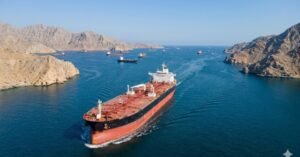
The disruption has also prompted some vessels to avoid the waterway altogether or adopt alternative routes, further increasing transportation costs and delivery times.
Iran’s decision therefore appears designed to make its energy shipments more competitive at a time when security and geopolitical risks are already discouraging foreign shipping companies from operating in the area.
The measure is part of a broader struggle over the movement of energy supplies during the escalating U.S.-Iran conflict.
Iran has continued seeking ways to maintain its oil trade despite sanctions and the naval blockade. Reuters reported separately that Tehran has developed arrangements involving oil-for-goods transactions with Chinese entities as another means of keeping trade flowing despite restrictions on conventional financial channels.
Meanwhile, disruption around the Strait of Hormuz has become a major concern for global energy markets.
With shipping activity remaining well below normal levels, governments, traders and energy companies are closely watching whether the latest Iranian measure can attract more foreign vessels back into the country’s energy trade.
For Iran, lifting the 10% freight charge could provide some relief to exporters and importers. But the broader challenge remains the security environment surrounding Iranian shipping and the continuing confrontation with the United States.