
World News
Extreme Heat and Drought Take a Toll Around the World as Waterways Shrink, Wildfires Spread

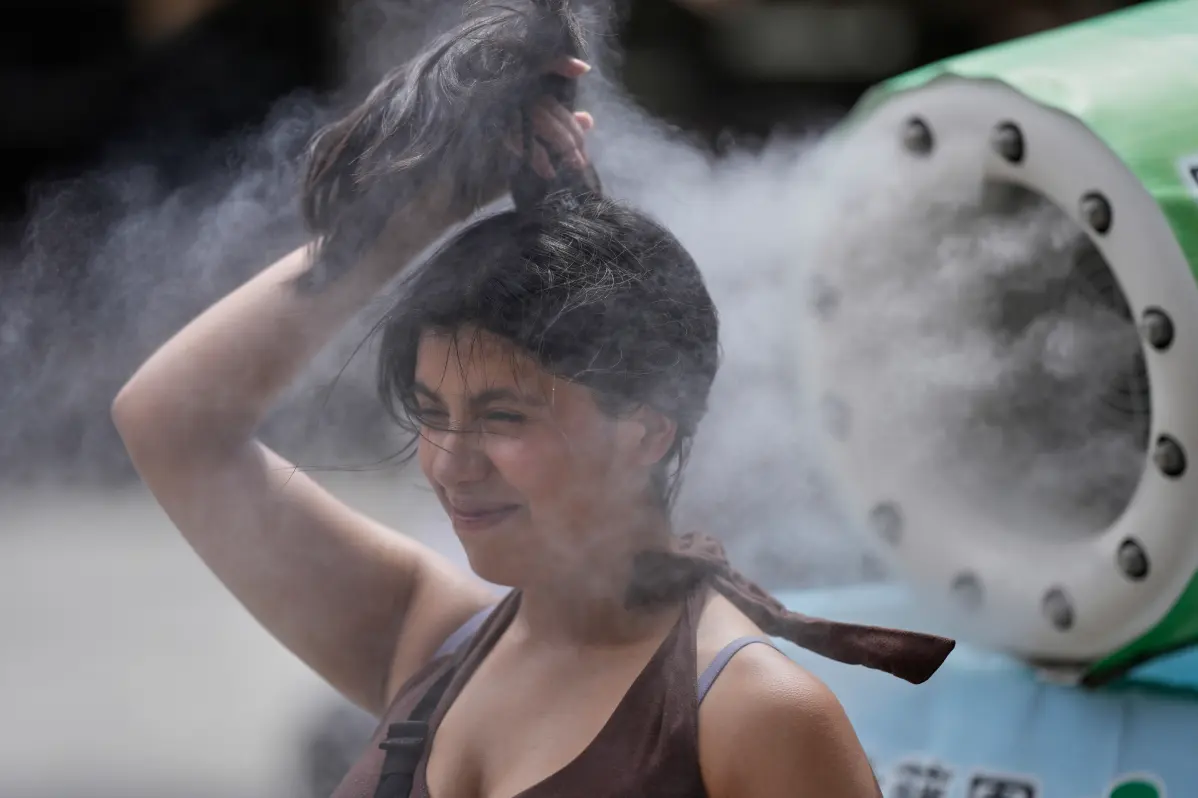
Extreme heat and prolonged drought are tightening their grip on parts of the world, leaving rivers at historic lows, threatening agriculture and energy supplies, fueling wildfires and forcing communities to adapt to increasingly difficult conditions.
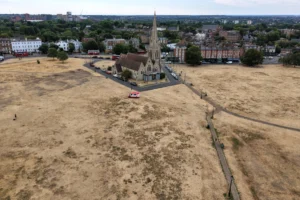
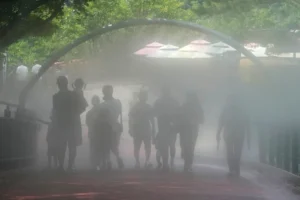
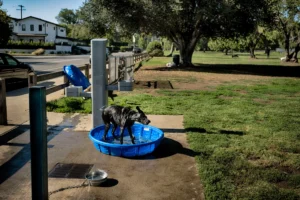
A recent photo essay by The Associated Press has captured the human, environmental and economic consequences of the unusually hot and dry conditions, showing parched landscapes, shrinking waterways and people and animals seeking relief from the heat.
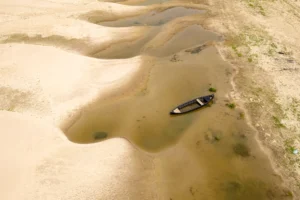
One of the clearest signs of the drought has emerged along Europe’s major rivers.
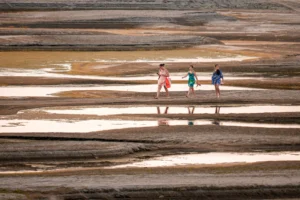
The Danube, Europe’s second-longest river, has fallen to exceptionally low levels in several countries, including Hungary, Romania and Serbia. In Budapest, the river recently dropped to around 23 centimetres at one monitoring point, exposing large stretches of the normally submerged riverbed.
The dramatic fall in water levels has affected more than the appearance of the river. Low water is disrupting shipping, tourism and energy production, while authorities and industries face growing difficulties maintaining normal operations.
In Romania, authorities have even resorted to engineering measures to improve water flow towards the Cernavoda nuclear power plant’s cooling systems after water levels on the Danube became critically low.
The Rhine, another crucial European waterway, is also experiencing unusually low levels, creating problems for cargo vessels that depend on the river to transport industrial goods and raw materials.
The consequences extend beyond transportation. Lower river flows can affect hydropower generation and the availability of water needed to cool power plants.
The disappearing water has also produced some extraordinary scenes.
Near the Serbia-Romania border, falling Danube levels have exposed dozens of German military vessels deliberately sunk during World War II. Some of the wrecks are believed to still contain explosives and ammunition, creating a potentially dangerous legacy beneath the river.
Other historical objects have also appeared as waterways recede, including an unexploded bomb in Slovakia and other remnants of the Second World War.
While the discoveries have attracted public attention, they are ultimately a symptom of a much more serious problem: rivers that are struggling to maintain normal flows during an increasingly hot and dry summer.
Scientists say the relationship between heat and drought is particularly important.
A World Weather Attribution analysis reported that climate change is intensifying drought conditions in Europe by increasing evaporation. The study found that extreme heat-related evaporation has become dramatically more likely in western and eastern Europe compared with the pre-industrial climate.
In other words, drought is no longer simply a story about insufficient rainfall. Higher temperatures can pull more moisture from soils, vegetation and waterways, worsening the effects of an already dry period.

Researchers have warned that this combination can create a dangerous feedback loop: dry vegetation becomes more vulnerable to fire, while extreme heat increases the demand for water.
Across parts of Europe, the combination of heat, dry vegetation and strong winds has created conditions conducive to destructive wildfires.
France and Spain have experienced significant fires, while Greece has also faced numerous blazes and evacuations. The World Weather Attribution group said in early August that western Europe was experiencing widespread and intense wildfires following months of drought and periods of extreme heat.
The situation has also been evident in North America.
In Washington state, multiple wildfires near Spokane have destroyed more than 700 buildings and burned more than 8,000 acres, prompting tens of thousands of people to evacuate. The state’s governor declared an emergency as firefighters battled the spreading blazes.
The fires demonstrate how heat and drought can turn environmental stress into a rapidly developing humanitarian emergency.
Farmers are among those most exposed to prolonged heat and water shortages.
When soils lose moisture, crops struggle to grow and livestock face increasing difficulty finding sufficient water and shade. Extreme heat can also accelerate crop maturation, reducing yields or affecting quality.
In France’s Bordeaux wine region, for example, prolonged heat and nearly two months without sufficient rainfall have caused grapes to shrink on the vine and accelerated the 2026 harvest.
The implications go beyond individual farms. Persistent drought can affect food supplies, agricultural incomes and prices, particularly when several important producing regions experience extreme weather simultaneously.
The effects are not confined to Europe.
Puerto Rico has introduced water rationing measures in San Juan and other major cities as record dry conditions persist. Authorities have warned residents that the restrictions could continue for an uncertain period because there has been little immediate relief from the drought.
Such restrictions demonstrate how extreme weather can quickly become an issue of daily survival for urban populations.
For households, drought can mean limited access to water for drinking, sanitation and other basic needs. For governments, it creates difficult decisions about how available supplies should be distributed among homes, farms, businesses and industries.
The scenes being recorded around the world are different, but they share a common pattern: extreme heat is amplifying the consequences of water scarcity.
In Europe, rivers are shrinking. In North America, dry conditions are helping fires spread. In agricultural regions, crops are under stress. In cities such as those in Puerto Rico, authorities are rationing water.
The latest events also highlight the increasingly interconnected nature of climate risks. A drought can affect farming; crop losses can influence food prices; low rivers can disrupt transportation and energy production; and dry vegetation can increase wildfire risks.
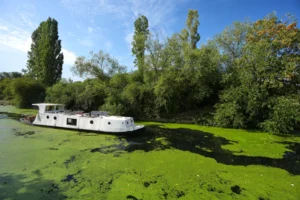
Climate researchers have increasingly emphasized that societies need to prepare not only for individual extreme-weather events but also for compound events, where heat, drought, wildfire and water shortages occur simultaneously.
As the latest images from around the world show, the climate crisis is not only being measured in temperature records. It is increasingly visible in empty riverbeds, scorched landscapes, struggling farms, displaced communities and people searching for relief from the heat.