
World News
Two Israeli Soldiers Killed in Southern Lebanon in First Combat Deaths Since June Truce

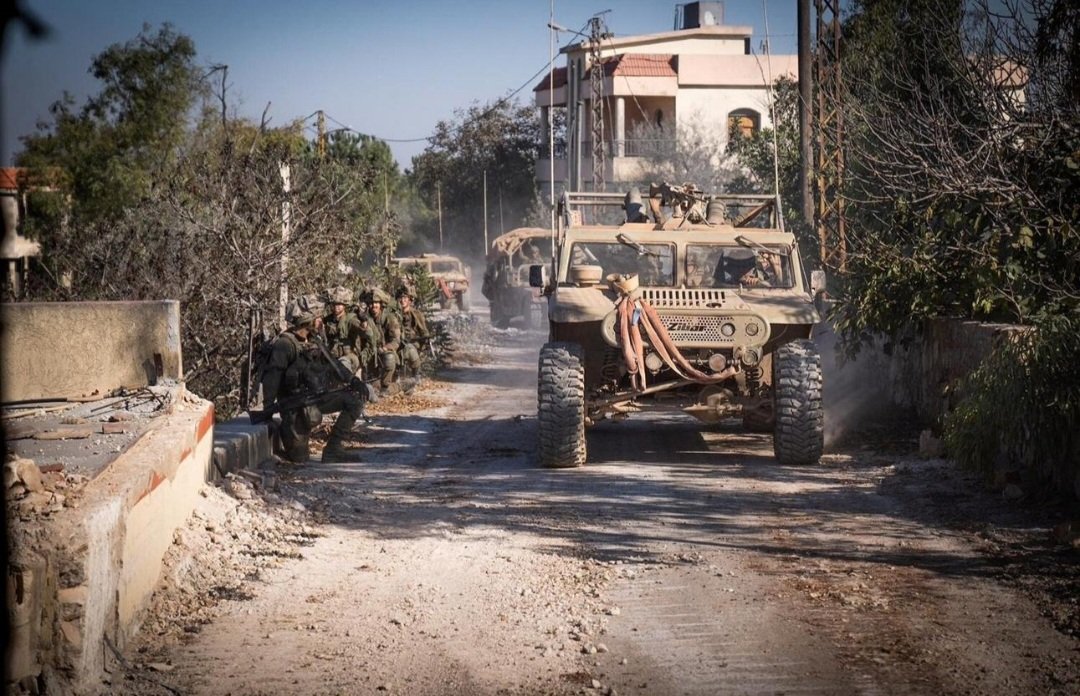
The Israeli military has announced that two of its soldiers were killed during combat operations in southern Lebanon, marking the first Israeli military fatalities since a fragile ceasefire between Israel and the Iran-backed Lebanese militant group Hezbollah took effect in June.
According to the Israel Defense Forces (IDF), the soldiers were killed during an operational mission near the Israel-Lebanon border. While the military confirmed the deaths, it initially released few details about the circumstances surrounding the incident, saying an investigation was underway. Israeli authorities later notified the soldiers’ families before making the announcement public.
The deaths represent a significant setback for the ceasefire agreement brokered in June after months of cross-border hostilities that threatened to develop into a wider regional conflict. Although the truce has substantially reduced violence, both Israel and Hezbollah have repeatedly accused each other of violating its terms through military activities along the frontier. Reports from Reuters, the Associated Press and regional media indicate that tensions have steadily increased in recent weeks despite diplomatic efforts to preserve the ceasefire.
Hezbollah did not immediately issue a detailed statement claiming responsibility for the incident. However, the group has maintained that it remains prepared to respond to what it describes as Israeli military violations inside Lebanese territory, while Israel insists its operations are aimed at preventing Hezbollah from rebuilding military infrastructure near the border.
The latest fatalities have heightened concerns that the ceasefire could come under renewed strain. Security analysts warn that any escalation involving Israeli forces and Hezbollah carries the risk of triggering broader regional instability, particularly given ongoing tensions involving Iran and its allied armed groups across the Middle East.
The June truce was reached following months of intense exchanges of rocket fire, drone attacks and Israeli airstrikes that displaced tens of thousands of civilians on both sides of the border. The agreement, supported by international mediators, sought to reduce hostilities while allowing diplomatic negotiations to continue over long-term border security arrangements.
Following the incident, the Israeli military said it remained on high alert and would continue operations to protect communities along the northern frontier. Additional troops and surveillance assets have reportedly been deployed as commanders assess the evolving security situation.

The United Nations Interim Force in Lebanon (UNIFIL), which monitors the border region, has repeatedly urged both parties to exercise restraint and avoid actions that could undermine the ceasefire. International governments, including the United States and European allies, have also called for calm, warning that renewed fighting would further destabilize an already volatile region.
Military observers say the deaths of the two Israeli soldiers could become a critical test of the June truce. Whether both sides choose restraint or retaliation in the coming days may determine whether the ceasefire endures or whether the Israel-Hezbollah conflict enters another dangerous phase.