
World News
Ukraine Drone Strike on Russian City Kills 13, Including Child, Officials Say

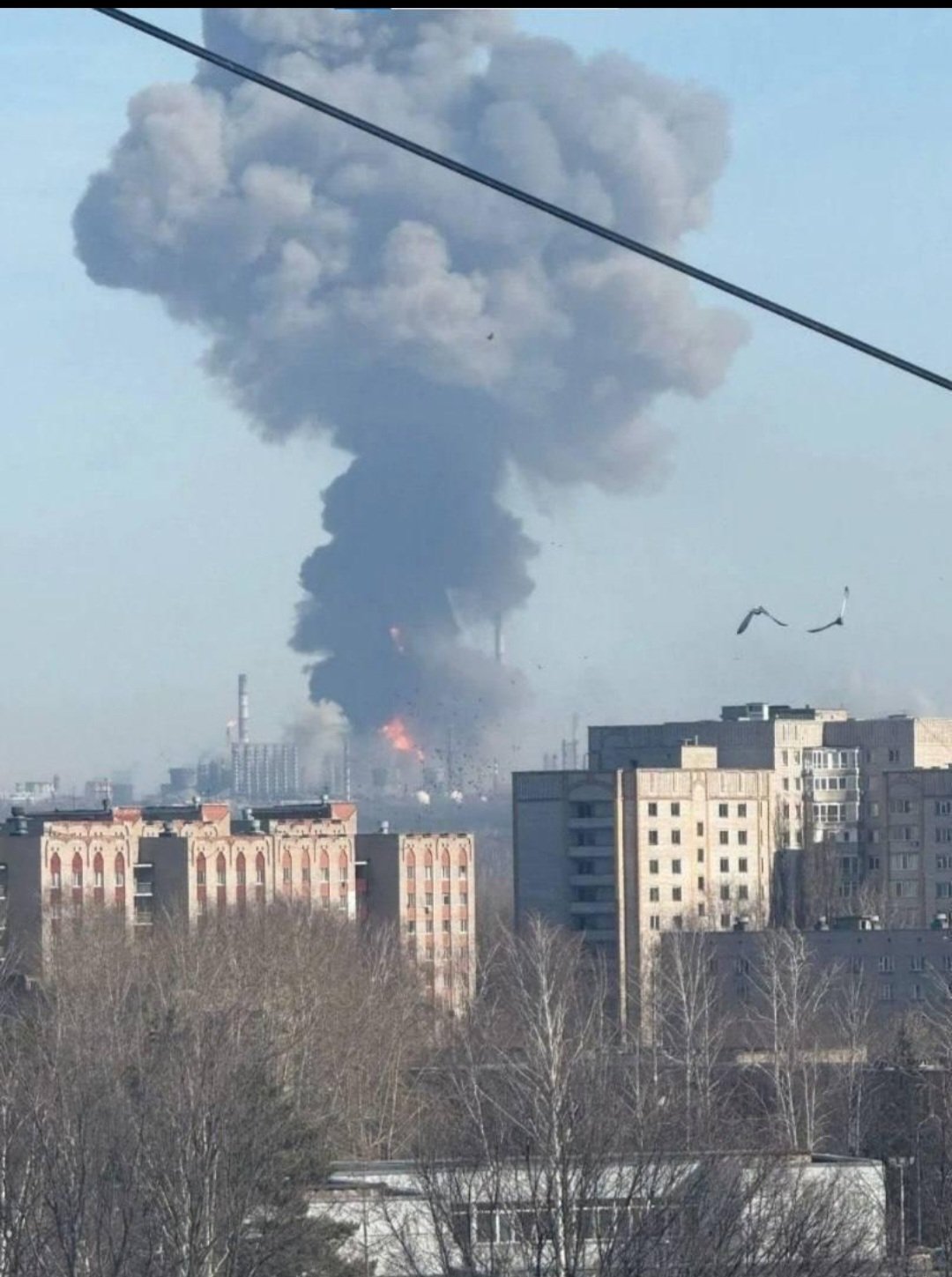
At least 13 people, including a child, have been killed in a Ukrainian drone attack on the Russian city of Nizhnekamsk in the Republic of Tatarstan, according to Russian regional authorities.
The overnight strike also wounded dozens of people, with casualty figures varying as authorities continued to assess the aftermath. Reuters reported 39 people injured, while the Associated Press later cited local authorities as putting the number of wounded at 75.
The attack is among the deadliest incidents involving civilian casualties in Russia in recent months.
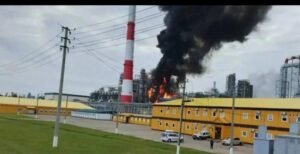
Ukraine’s military said its forces struck the TANECO oil refinery, operated by Russian oil producer Tatneft, during the attack.
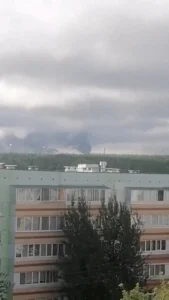
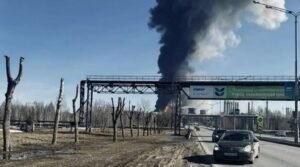
The refinery is located in Nizhnekamsk, an industrial city about 800 kilometres east of Moscow. Ukrainian authorities said a fire broke out at the facility following the strike. Reuters reported that smoke could be seen rising from the refinery in videos verified by the news agency.
The Associated Press reported that Nizhnekamsk has two refineries and a major petrochemical plant, making the city an important part of Russia’s energy infrastructure.
TANECO is one of Russia’s major refining facilities. Reuters reported that it processed about 17 million tonnes of crude oil in 2024, producing millions of tonnes of gasoline and diesel.
Tatarstan’s regional leader, Rustam Minnikhanov, declared a period of mourning following the attack.
Russian investigators said the strike hit both industrial and civilian areas and opened a criminal investigation into what they described as a “terrorist attack.” Russian officials said the child was among those killed.
Authorities described the attack as “massive,” while Russian officials accused Ukraine of striking civilian infrastructure.
The claims could not be independently verified, and Ukraine and Russia have repeatedly denied deliberately targeting civilians.
The attack forms part of Ukraine’s increasingly aggressive campaign against Russian oil refineries and other energy infrastructure.
Kyiv has argued that attacks on Russian oil facilities are intended to reduce Moscow’s ability to finance and supply its war effort. Ukrainian officials have increasingly used long-range drones to strike targets hundreds of kilometres inside Russian territory.
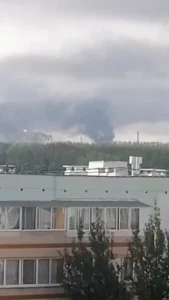
The Nizhnekamsk refinery itself has been targeted previously, including during strikes earlier this year. Reuters reported that the facility was also hit in early June.
The Associated Press said Ukraine’s long-range drone campaign has contributed to disruptions in Russian refining capacity and fuel supplies, although Russian authorities have said many initial shortages have since eased.
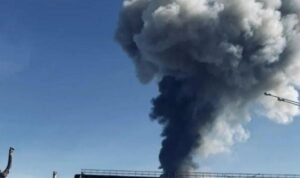
The latest strike came as Russia and Ukraine continued exchanging heavy attacks.
Reuters reported that a Russian attack on the eastern Ukrainian city of Kharkiv on Sunday killed three people and injured 37, while Russian authorities in Belgorod said a Ukrainian drone attack there killed five people and wounded 25.
In another development on Monday, Ukrainian strikes were also reported at other Russian industrial facilities, including an industrial site in the Tyumen region of western Siberia.
The escalating attacks underline how the war is increasingly reaching far beyond the immediate front lines.
Ukraine’s use of long-range drones has allowed it to target Russian energy infrastructure deep inside the country, while Russia continues to launch missiles, drones and glide bombs against Ukrainian cities and infrastructure.
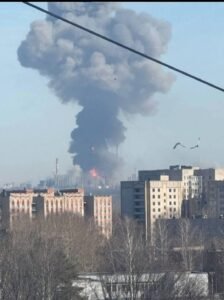
The human toll of the Nizhnekamsk attack also extended beyond Russian citizens.
The Uzbek consulate in Kazan said seven Uzbek citizens were killed in the attack in Tatarstan. The consulate did not immediately provide further details about the victims.
The incident is likely to intensify scrutiny of Ukraine’s strategy of targeting Russian energy infrastructure as Kyiv seeks to impose greater economic and military costs on Moscow.
For residents of Nizhnekamsk, however, the immediate concern remains the loss of life and the damage caused by one of the most serious drone attacks on the region since the war began.