
World News
UN to Evacuate Sailors Stranded in Strait of Hormuz as Rubio Warns Against Maritime Tolls

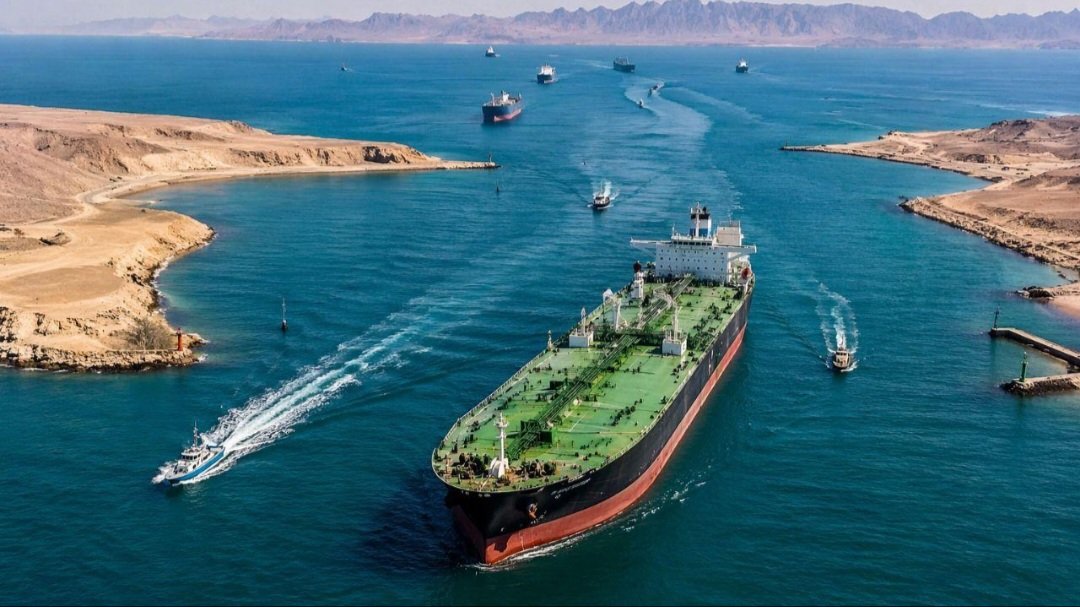
The United Nations has announced plans to assist in the evacuation of sailors stranded in the strategically vital Strait of Hormuz, as concerns grow over maritime security and the safety of commercial shipping in one of the world’s busiest energy corridors.
According to UN officials, dozens of seafarers have been left stranded aboard vessels affected by disruptions linked to heightened regional tensions. The international body said it is coordinating with maritime authorities, shipping companies, and regional governments to facilitate the safe evacuation and repatriation of affected crew members.
The Strait of Hormuz, located between Iran and Oman, serves as a critical gateway for global oil and gas shipments, with roughly a fifth of the world’s petroleum trade passing through the narrow waterway. Recent security concerns and shipping disruptions have heightened fears about the stability of international trade routes in the Gulf region.
The evacuation announcement came as U.S. Secretary of State Marco Rubio warned against any attempts to impose additional tolls or transit fees on vessels navigating the Strait of Hormuz. Rubio argued that such measures could further disrupt global commerce and place additional pressure on energy markets already facing uncertainty.
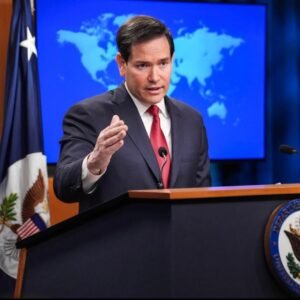
Speaking on the issue, Rubio emphasized that freedom of navigation remains a cornerstone of international maritime law and stressed the importance of keeping critical shipping lanes open to global trade. He urged regional stakeholders to avoid actions that could escalate tensions or hinder commercial shipping.
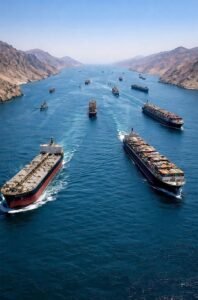
Industry analysts note that any restrictions or added costs imposed on vessels transiting the strait could have far-reaching economic consequences. The waterway is a crucial route for crude oil exports from major Gulf producers, including Iran, Saudi Arabia, Iraq, Kuwait, and the United Arab Emirates.
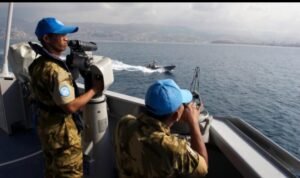
Maritime security experts have also expressed concern about the welfare of sailors caught in the ongoing disruptions. Seafarers often face extended periods at sea during geopolitical crises, with limited access to medical care, communication, and shore leave. Humanitarian organizations have called for greater protections for crews operating in high-risk regions.
The United Nations said its evacuation effort will prioritize the most vulnerable crew members while working with shipping operators to ensure that maritime safety standards are maintained. Officials added that the operation is intended as a humanitarian response and does not alter the UN’s position on broader geopolitical disputes in the region.
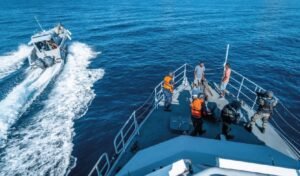
Governments and shipping companies are closely monitoring developments in the Gulf, where recent tensions have sparked concerns about potential impacts on global energy supplies and international trade. Financial markets have reacted cautiously, with investors watching for any signs of further disruption to shipping through the Strait of Hormuz.
As diplomatic efforts continue, international leaders are urging restraint and dialogue to prevent additional instability in one of the world’s most strategically important waterways.