
World News
U.S. Revokes License That Authorized Iranian Oil Sales Following Strait of Hormuz Escalation

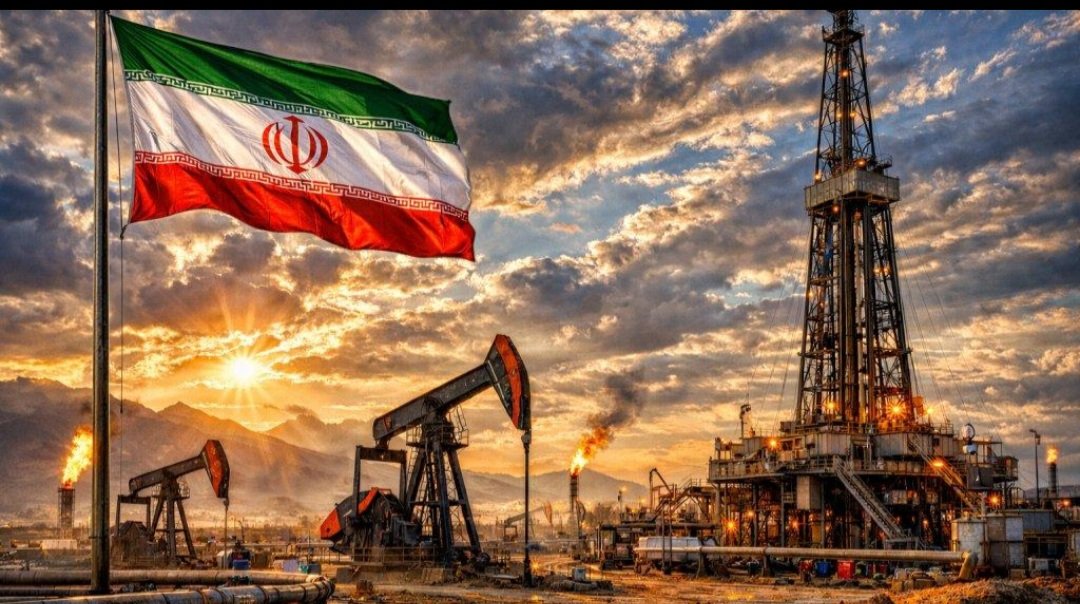
The United States has revoked a temporary license that allowed the sale of Iranian crude oil and petroleum products, marking a sharp reversal of a policy introduced only weeks ago as part of ongoing negotiations with Tehran.
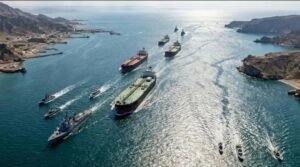
The decision, announced Tuesday by the U.S. Treasury Department, comes after a series of attacks on commercial tankers transiting the strategically vital Strait of Hormuz. American officials described Iran’s recent actions in the waterway as “wholly unacceptable,” warning that Tehran would face consequences for threatening one of the world’s most important shipping lanes.
The revoked authorization had been introduced on June 22 under a temporary 60-day framework agreement between Washington and Tehran. The measure allowed transactions involving Iranian crude oil, petroleum products and petrochemicals while negotiators worked toward a broader diplomatic settlement over Iran’s nuclear programme and regional security issues. The license had been scheduled to remain in effect until August 21 before being cancelled.
Although the authorization has been withdrawn, the Treasury Department said companies engaged in transactions covered by the license will have until July 17 to wind down their operations before the restrictions fully take effect.
Officials emphasized that the suspension of sanctions relief reflects the performance-based nature of the understanding reached with Iran, stressing that economic concessions depend on Tehran maintaining stability and honoring its commitments.
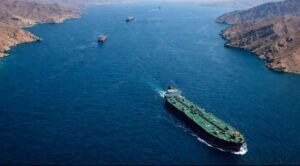
The policy reversal follows reports that multiple commercial vessels were struck by projectiles in and around the Strait of Hormuz, a narrow waterway through which roughly one-fifth of global oil supplies pass.
British maritime security agencies reported attacks involving several tankers operating in the area, raising fears of renewed instability in one of the world’s most critical energy corridors. While no group immediately claimed responsibility, U.S. officials linked the decision to revoke the oil license directly to the latest maritime incidents.
Global energy markets reacted swiftly to the announcement, with crude oil prices climbing more than 5% amid concerns that renewed restrictions on Iranian exports, combined with heightened tensions in the Gulf, could tighten global supply.
Analysts noted that the temporary authorization had briefly eased decades of sanctions by allowing Iranian oil sales, including transactions denominated in U.S. dollars. Its cancellation now raises fresh uncertainty over future supply and the prospects for a comprehensive agreement between Washington and Tehran.
Despite the tougher sanctions stance, U.S. officials insisted negotiations with Iran have not collapsed. According to American authorities, diplomatic teams remain engaged in efforts to secure a broader agreement covering nuclear oversight, regional security and freedom of navigation through the Strait of Hormuz.
The latest move underscores the fragile balance between diplomacy and pressure, with Washington signaling that future sanctions relief will depend heavily on Iran’s conduct during the ongoing negotiations.
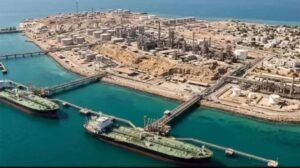
The revocation is expected to affect energy markets, international shipping companies and major buyers of Iranian crude, particularly in Asia. It also highlights the continuing importance of the Strait of Hormuz, through which millions of barrels of oil are transported daily, making any disruption there a matter of global economic concern.