
World News
U.S. to Begin Enforcing Maritime Blockade on Iran on Tuesday as Gulf Tensions Escalate

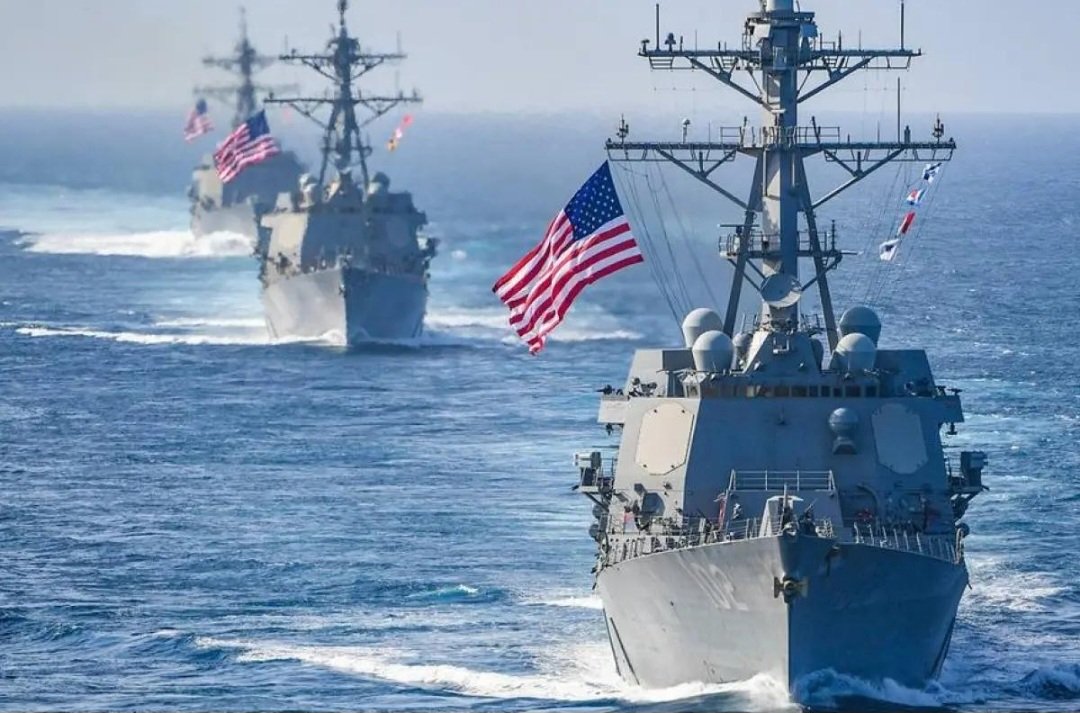
The United States is set to begin enforcing a maritime blockade on Iran from Tuesday, marking one of the most significant escalations in the ongoing confrontation between Washington and Tehran. The move follows days of renewed military exchanges, including U.S. strikes on Iranian military infrastructure and retaliatory missile attacks by Iran on American bases across the Gulf.
According to an advisory issued by the U.S. Navy-led Joint Maritime Information Center (JMIC), the blockade will apply to all maritime traffic entering or leaving Iranian ports, oil terminals and coastal areas. The advisory states that vessels attempting to enter or depart the blockaded zone without authorization could be intercepted, diverted or seized, and warns that force may be used if ships fail to comply with instructions from U.S. forces.
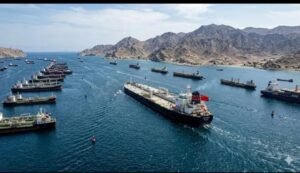
U.S. officials emphasized that the blockade is directed at maritime traffic involving Iran and is not intended to restrict neutral commercial vessels merely transiting the Strait of Hormuz to or from non-Iranian ports. Washington says the objective is to increase pressure on Tehran while maintaining freedom of navigation for international shipping using one of the world’s busiest energy corridors.
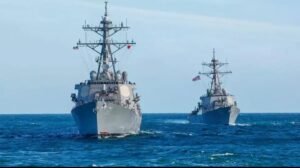
The announcement comes after President Donald Trump declared that the United States would reinstate the blockade following renewed hostilities with Iran. The decision effectively removes one of the remaining concessions that had survived a fragile ceasefire arrangement reached earlier this year. The ceasefire has since deteriorated amid disputes over shipping access, sanctions and continued military operations by both sides.
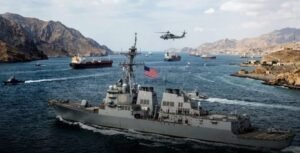
Iran has strongly condemned the planned blockade, calling it a violation of international law and warning that any attempt to interfere with its maritime trade would provoke further retaliation. Iranian officials have repeatedly insisted they retain the right to control access around their coastline and have vowed to continue responding to what they describe as U.S. aggression in the region.
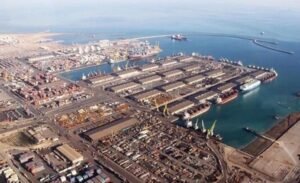
The renewed confrontation has already rattled global energy markets. Oil prices climbed sharply after news of the blockade, with investors fearing further disruptions to crude exports through the Strait of Hormuz, a route that normally carries roughly 20% of the world’s oil and liquefied natural gas shipments. Analysts warn that prolonged instability could lead to higher fuel prices, increased shipping costs and broader inflationary pressures worldwide.
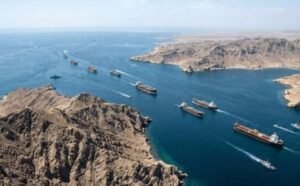
Maritime security experts say enforcing the blockade will require a sustained U.S. naval presence in the Gulf and could increase the risk of direct encounters between American and Iranian forces. Shipping companies are expected to monitor the situation closely, with some already reviewing routes and contingency plans as tensions continue to rise.
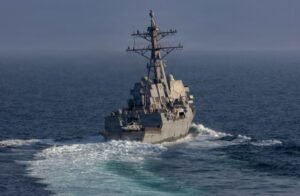
Diplomatic efforts by regional mediators, including Qatar, Oman and Egypt, remain underway, but prospects for an immediate breakthrough appear slim as both Washington and Tehran continue to exchange military threats and expand their operations. With the blockade due to take effect on Tuesday, governments, energy markets and the global shipping industry are preparing for what could become a defining moment in the latest phase of the U.S.-Iran confrontation.