
World News
Iran-Linked Vessels Pass Through Strait of Hormuz Ahead of U.S. Naval Blockade

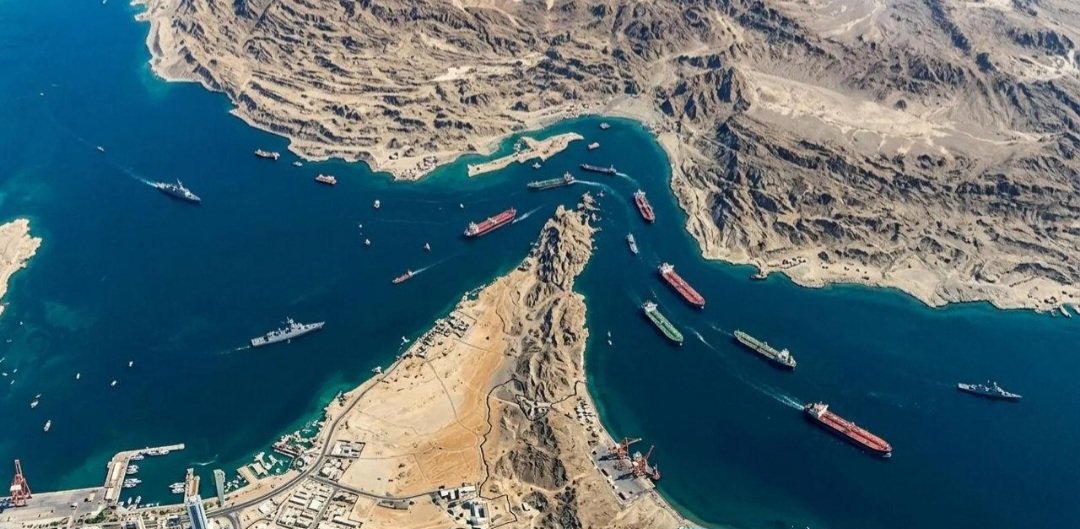
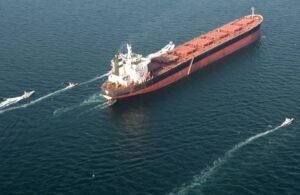
Iran-linked commercial vessels increased their movement through the Strait of Hormuz on Tuesday, just hours before the United States reimposed a naval blockade targeting Iranian ports and shipping, according to ship-tracking data. The surge in traffic comes as tensions between Washington and Tehran continue to escalate, raising fresh concerns over global energy supplies and maritime security.
Shipping analytics firm Kpler reported that 11 vessels transited the strategic waterway on Tuesday, with nine following routes linked to Iranian trade. Those ships included three inbound oil tankers and several outbound vessels carrying crude oil, refined petroleum products, liquefied petroleum gas (LPG), methanol and iron ore. The movement appeared to reflect a rush by Iran and its trading partners to move cargo before the renewed U.S. restrictions came into force.
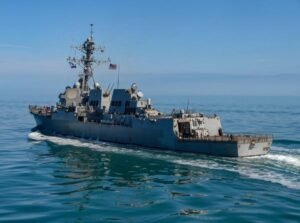
The renewed blockade was announced by U.S. President Donald Trump as part of a broader effort to pressure Tehran following a series of attacks on commercial vessels in the Gulf that Washington blames on Iran. U.S. officials said the blockade targets ships entering or leaving Iranian ports while allowing commercial vessels not engaged in Iranian trade to continue using the Strait of Hormuz under naval protection.
Despite the increase in Iran-linked traffic, analysts noted that no tankers were seen loading crude oil or natural gas from other major Gulf producers during the period. The absence of export activity from neighbouring states highlighted the caution among shipping companies and energy traders as military tensions continue to mount across the region.
The Strait of Hormuz remains one of the world’s most critical maritime chokepoints. Before the current crisis, roughly one-fifth of globally traded crude oil and liquefied natural gas passed through the narrow waterway connecting the Persian Gulf to the Gulf of Oman and the Arabian Sea. Any prolonged disruption has the potential to affect global energy prices and supply chains.
Recent fighting between the United States and Iran has already reduced commercial shipping through the strait. Shipping companies have become increasingly cautious, with some vessels rerouting journeys while others reportedly switched off public tracking systems because of security concerns. Marine insurers have also raised premiums for ships operating in the region, adding to transportation costs.
The heightened tensions have also pushed oil markets higher. Crude prices have risen sharply in recent days as traders assess the risk of supply disruptions from the Gulf. Analysts warn that any expansion of the conflict; or attempts by Iran to interfere with shipping, could trigger further price increases and place additional pressure on the global economy.
Iran has repeatedly warned that if its own oil exports are blocked, it could retaliate by disrupting energy shipments from across the region. The country’s Islamic Revolutionary Guard Corps (IRGC) has threatened to halt Middle Eastern energy exports altogether if the blockade remains in place, a move that would represent one of the most serious threats to global energy security in decades.
Diplomatic efforts to ease the crisis remain stalled, while commercial shipping companies, oil producers and governments continue to monitor developments closely. With the U.S. blockade now in effect, markets are watching to see whether Iran responds with further military or maritime action, potentially setting the stage for another escalation in the Gulf.